Designing AI Experiences That Don't
Creep Out, Frustrate, or Annoy
Welcome to The Exchange Notes, our reimagined UserTesting newsletter, a bi-weekly deep dive into the themes shaping how teams design, test, and bring experiences to life.
This week, we’re digging into a challenge every team faces: creating AI experiences people actually trust.
Feature Case Study
🐶
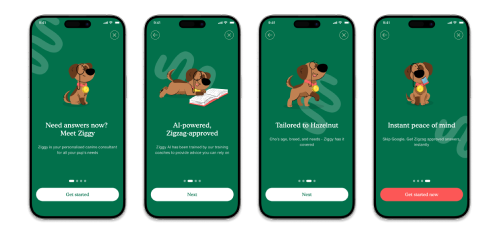
Zigzag’s “Ziggy” Assistant Wins with Tone, Not Just Tech
Prototype screens used in testing: onboarding flow that set tone expectations for Ziggy.
Zigzag, a puppy training app, connects new pet parents with expert coaches for breed-specific, personalized plans. But for small, awkward questions — the kind you might Google at 2 a.m. — users hesitated to reach out.
“Is it normal if my puppy only naps on my shoe?”
Zigzag introduced an AI chat assistant (Ziggy) for instant answers, and before launch, they tested with real people on the UserTesting platform.
Discovery: tone mattered as much as technology.
Voice guidelines: friendly, not robotic; helpful, not preachy.
🎧
Listen In:"UX for AI: Designing Intelligent Experiences with Greg Nudelman"
Tune in as UX architect and author Greg Nudelman shares how to craft AI-powered experiences that feel intuitive, trustworthy, and human—blending conversational tone with algorithmic empathy to design for the next frontier.