(Wang Jiangbo/Getty Images) |
|
|
The “Simpsons” pleas have finally been answered: somebody thought of the children! Toymaker Mattel has pressed pause on creating AI-powered toys with OpenAI, perhaps because of the viral stories of such toys instructing kids on how to find matches, start fires, sharpen knives, and more! OK, perhaps it was a simple case of reassessing the market and profitability for such toys… but we’re choosing to go with the more generous holiday spirit that it was Mattel choosing nice over naughty.
A messy trove of jobs data landed Tuesday morning with the release of nonfarm payrolls for October and November, showing a higher-than-expected unemployment rate of 4.6% in November. The US unemployment rate has now risen for four consecutive readings for the first time since June 2009. While some were looking for data that would support additional Fed rate cuts in 2026, the odds of future cuts remained largely unchanged post-release.
Markets were lethargic following the data, and the S&P 500 was devoid of preholiday cheer — the index as well as the Russell 2000 finished lower. The Nasdaq 100, which had been weighed down by continued AI trade worries, managed to rally in the final hour of the session to finish in the green. |
|
|
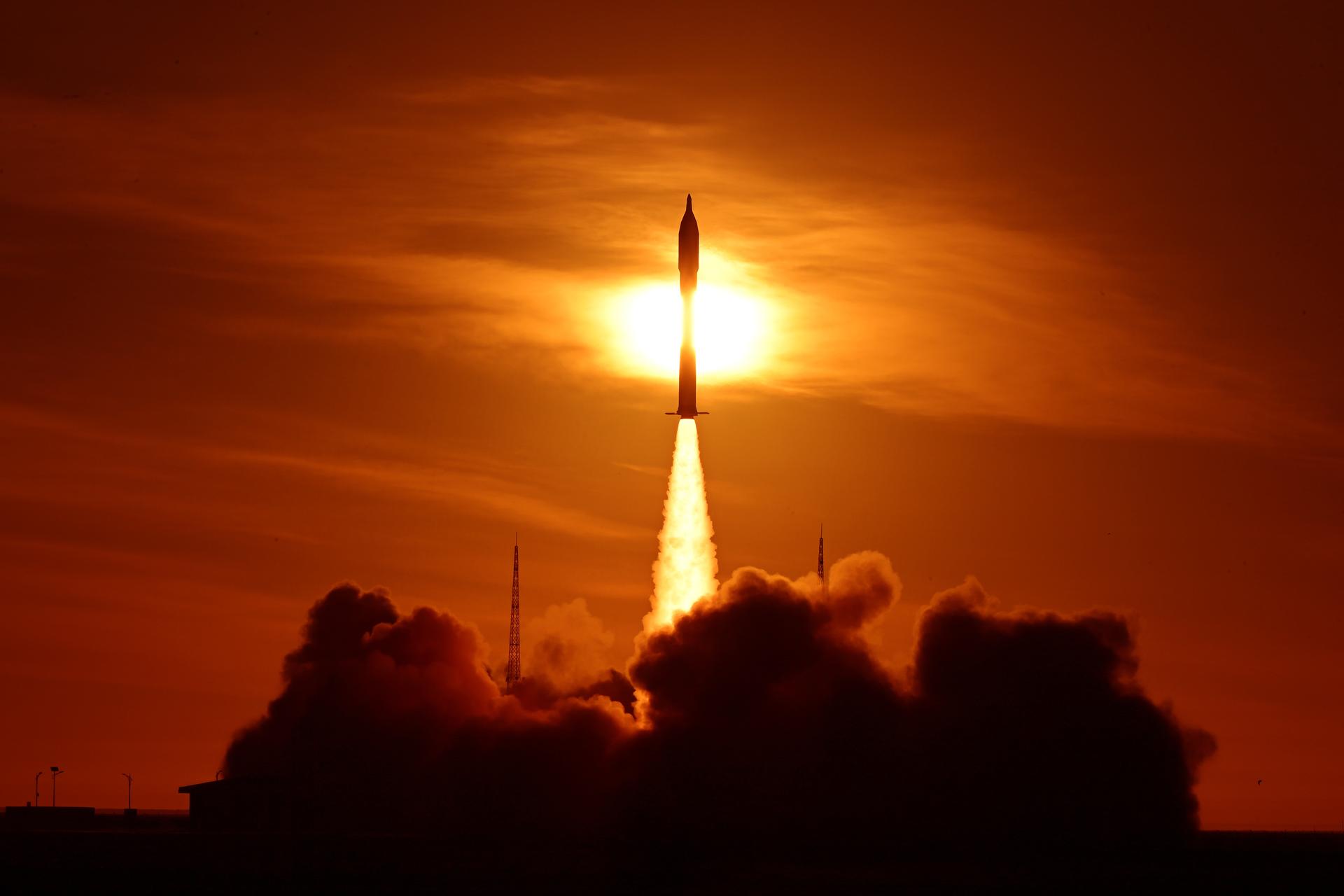
Data centers. In space. It’s the hottest topic among CEOs with skin in the data center or rocket-launching business, with Tesla (and SpaceX) CEO Elon Musk and Jeff Bezos, former Amazon CEO and founder of Blue Origin, purportedly engaged in this race to make one small step for man and a giant leap for AI-kind. OpenAI CEO Sam Altman reportedly wants in, too.
It’s also incredibly silly given the current (and foreseeable future) state of the tech, if you ask Deutsche Bank analyst Edison Yu. |
- Rocket launches cost too much. Yu cited estimates from Google indicating that launch costs would need to be below $200 per kilogram (or about $441 per pound, for heathens) to be viable, and pins current costs at about $1,500 per kilogram. Costs need to go down by, oh, around 87%.
-
Space is cold but bad at cooling. “To properly cool a large AI cluster, a data center satellite would require massive passive radiator panels,” per Yu. As author Zach Weinersmith wrote, “Cooling is not better in space. It is far, FAR worse, necessitating objects vastly larger than anything we’ve built in space simply to cool off small datacenters.”
- Space makes Michael Burry more right about depreciation. Remember his argument that companies were understating GPU depreciation costs? Well, this critique about chips having a shorter useful lifespan becomes a lot more salient in space thanks to radiation.
-
Fixing stuff in space is hard. Fixing stuff on Earth is hard! Satellites would need better hardware to increase the likelihood that nothing goes wrong, and that would drive up the cost of production.
|
In short, it can’t be better to have them in space. Most of the problems that are solved by space — ambient cool temperatures, cheaper to build, ample energy resources — can be far better solved by, say, just going to Canada or something. |
|
|
Now, tech CEOs don’t just wax eloquent about stuff that’s straight out of science fiction for the mystique (though that’s probably a part of it). Pursuits that seem so futuristic that they border on the absurd on first hearing are massive potential moneymaking opportunities. (If there’s a flying autonomous car available in my lifetime, shut up and take my money!)
The good news? This flight beyond Earth’s atmosphere is not a flight of fancy, according to Deutsche Bank. “There are clearly technical challenges to making this a viable endeavor but these seem to be engineering constraints as opposed to physics,” Yu wrote. |
|
|
The question about whether bubbles have formed in the US stock market continues to … bubble up, especially around some of the stocks fighting for market share in the AI arena.
The definition of a “bubble” is notoriously difficult to pin down. But analysts at Ned Davis Research used a Harvard academic’s rubric to see if the shoe fits for popular tech stocks. In a 2017 paper, Harvard economist Robin Greenwood took a close look at market characteristics that may help identify bubbles: |
- High volatility, increased share issuance, and sharp acceleration in gains can help identify high-flying shares that go on to crash, Greenwood wrote.
-
Analysts applied some of those proposed analytical criteria to individual stocks, finding a few clear candidates for bubble status, including retail favorites like Palantir, Nvidia, and Broadcom, among others.
-
They wrote, “On October 30, 2025, the peak for the current cycle, we found 5.8% (29) of S&P 500 companies met the bubble criteria. Note the peak percent of companies in a bubble in 2000 was much higher at 9.2% (46 companies).”
|
|
|
The analysts stressed that even if one were able to identify bubbles, that’s different from knowing when such financial prices will plunge — i.e., when to sell. But, they concluded, “if we are in a bubble, it is being led by Nvidia and Semiconductors.” |
|
|
|