|
The best part of reading new books is discovering a delightful surprise or an unexpected way of looking at the world. Pastor and theologian Andrew Wilson reviews three diverse books, new and old, that help Christians discover unique perspectives on a variety of subjects. In his first theology newsletter, he describes Alan Thompson’s succinct guide to biblical theology, Tim Keller’s posthumous collection on sin (which Wilson calls a "heartwarming" read), and the 355-year-old Pensées. |
|
Features Editor, Christianity Today |
|
A Basic Guide to Biblical Theology: Nine Themes That Unite the Old and New Testaments, Alan J. Thompson (Baker Academic, 2025) |
|
Fitting the whole Bible together can be challenging. Many readers are familiar with some of the most dramatic stories and most famous wisdom verses but would struggle to put them all in sequence—let alone assemble them into an overarching story that makes theological and narrative sense. That is why basic introductions to biblical theology can be so helpful. Summarizing the story of Scripture, showing people what to look for as they read it, and helping them visualize how it all hangs together can help readers find their feet in God’s Word and can give them tools to make sense of it. |
|
Sydney Missionary and Bible College New Testament scholar Alan Thompson does this thematically. Nine biblical themes receive a chapter each—Creation and Fall, covenant, Exodus and tabernacle, Law and wisdom, sacrifice, kingship, prophetic hope, kingdom of God, and Holy City—topped and tailed by discussions of how to put the Bible together as a whole. |
|
The clarity and simplicity of these themes is a strength of the book, as is the frequent use of diagrams to illustrate them. Thompson’s tone is also helpful. His hermeneutic is unapologetically Baptist, but he gives his reasons and highlights areas where people disagree, explaining differing positions fairly. In places, the book is not as basic as its title suggests, with less storytelling and more jargon (and mentions of the millennium) than we might expect. But this is a short, clear, fair, lucid, and well-researched introduction to biblical theology will serve plenty of students and serious laypeople well. |
|
What Is Wrong with the World? The Surprising, Hopeful Answer to the Question We Cannot Avoid, Timothy Keller (Zondervan, 2025) |
|
It is not easy to write a compelling, heartwarming, devotional book on sin. The subject lends itself to treatments that either breathe fire or water things down, depending on the audience. It’s hard to get to the heart of human sinfulness in a way that both exposes and explains, confronting the sin while comforting the sinner. The fact that Tim Keller has done both in What Is Wrong with the World? is testimony to his remarkable preaching ministry and to the skill with which his wife, Kathy, has posthumously presented it. |
|
Keller’s approach is to show us seven ways in which the Scriptures picture sin, each rooted in a different biblical narrative. In the story of Cain, sin is a predator crouching at the door. In the story of Saul, it shows a frightening capacity for self-deception. In Jesus’ parables, sin is leaven, quietly but inevitably spreading until it is rooted out. To Jeremiah, sin is mistrust; with Jonah, self-righteousness; with Naaman, leprosy; with the Israelites in the wilderness, slavery. |
|
Each picture receives a chapter full of biblical wisdom, psychological insight, practical illustration, and gospel hope, and each impressively reads like a book chapter rather than a transcribed sermon, which makes it a refreshing joy to read (also impressive, given the topic). The book concludes with two chapters on true repentance drawing from Psalm 51. Highly recommended. |
|
Pensées, Blaise Pascal (1670) |
|
Blaise Pascal (1623–1662) was a genius. He gave his name to a philosophical dilemma, a unit of pressure, and a mathematical triangle—and he only lived to the age of 39. But he was also a deeply thoughtful Jansenist theologian whose blend of biblical observation, cultural analysis, apologetic wit, and charismatic experience makes him fascinating to read on nearly any topic. |
|
Many of his theological arguments have extraordinary sticking power. The Pensées (literally, "thoughts") are an eclectic assembly of them, in the form of aphorisms, one-liners, paragraphs, short essays, and personal testimonies. Yet they still sparkle nearly four centuries later. |
|
Some have become familiar. Many readers will have come across his wager about betting on God’s existence or his quip that the sole cause of humanity’s unhappiness is that people does not know how to stay quietly in their room. (For Pascal, the reason for leaving his room is that if he stays there quietly, then he thinks about death, so he fills his life with diversions instead.) His evangelistic method has also been highly influential: Since people despise religion and are afraid it might be true, we have to first show that religion is worthy of respect, then make good people want it to be true. Only then do we show that it is. But the book also fizzes with humor, penetrating apologetics, and biblical insight (I will never read the Joseph story the same way again). Most of all, Pensées displays a deep love for Jesus. |
Because Christ Reigns, The Church Can Flourish |
|
Isaiah tells us of the coming Messiah, "Of the greatness of His government and peace there will be no end." At Christianity Today, we believe that because Christ reigns, the Church can flourish—even in a world that still aches for His peace. |
|
Through in-depth journalism, redemptive storytelling, and resources that disciple believers, CT helps the global Church live faithfully in this "already and not yet" Kingdom—seeing the world through the lens of Christ’s truth and hope. |
|
As one reader shared, "CT helps us learn to be faithful and see the world in a faithful way." |
|
|
|
|
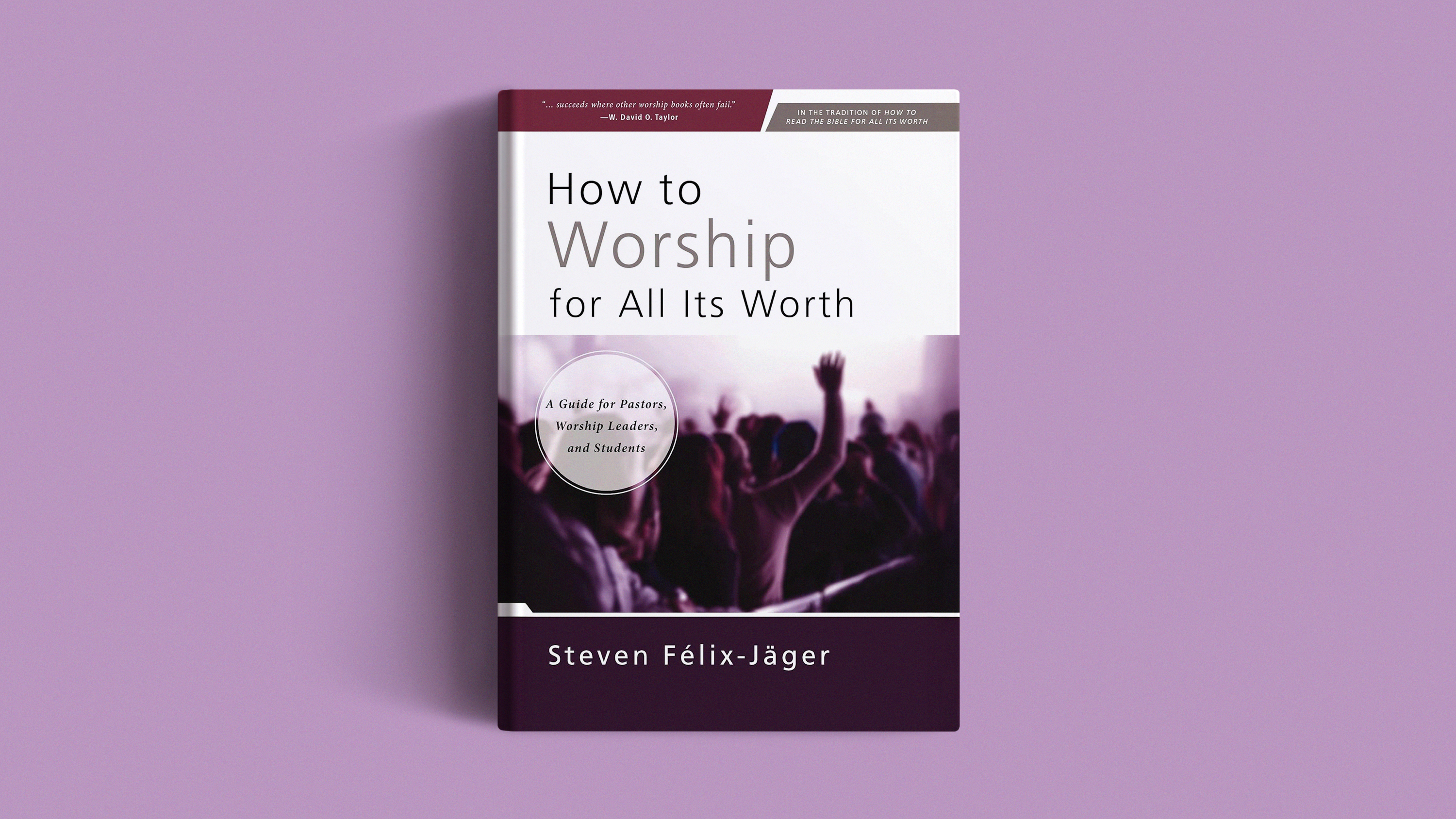
Steven Félix-Jäger helps readers grow in both understanding and appreciation for the ways different traditions worship God.
|
|
|
|
|
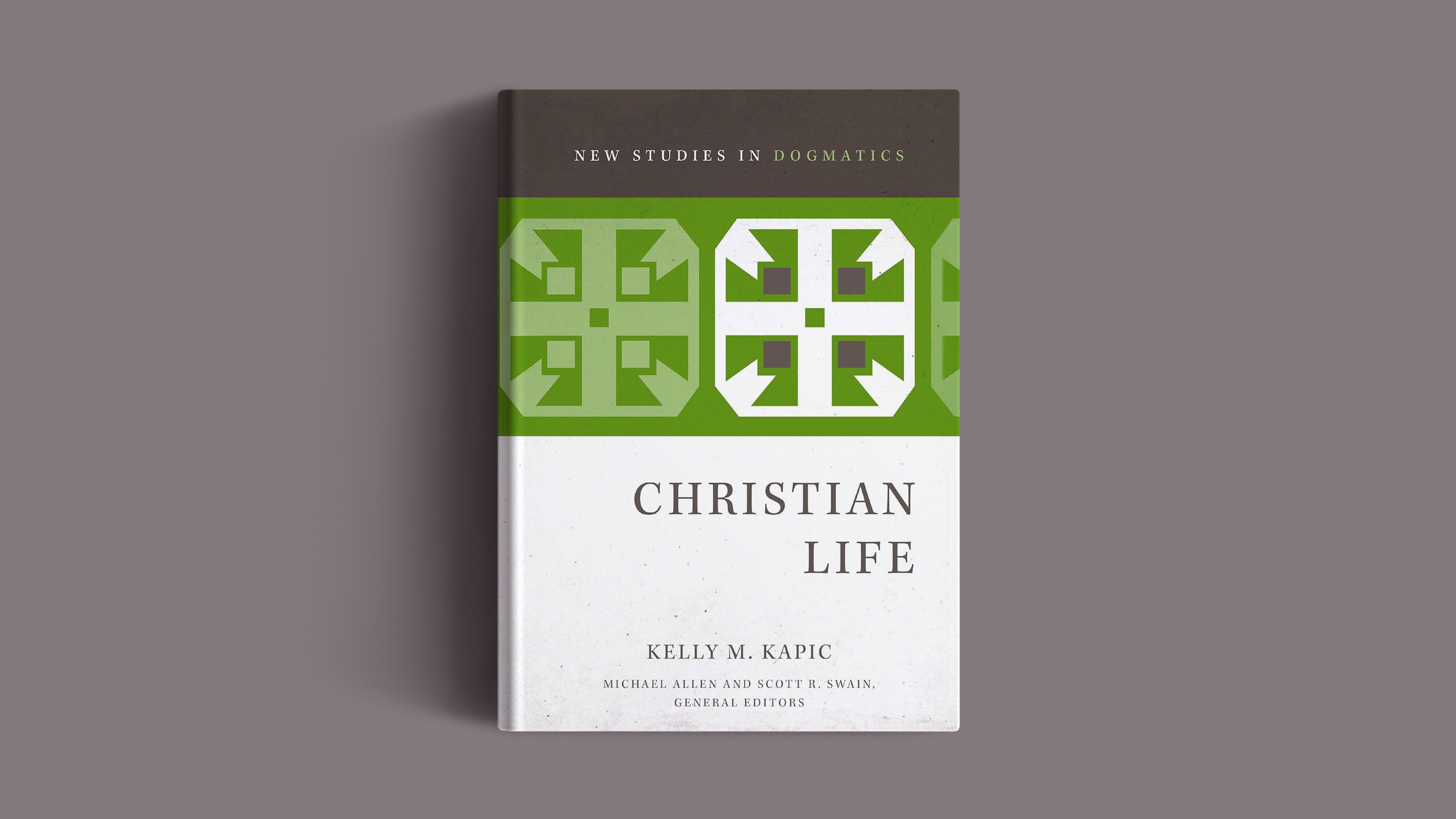
At a time when the word Christian has become a political football thrown about to gain favor and garner power, theologian Kelly Kapic provides a winsome corrective.
|
|
|
|
|
|
|
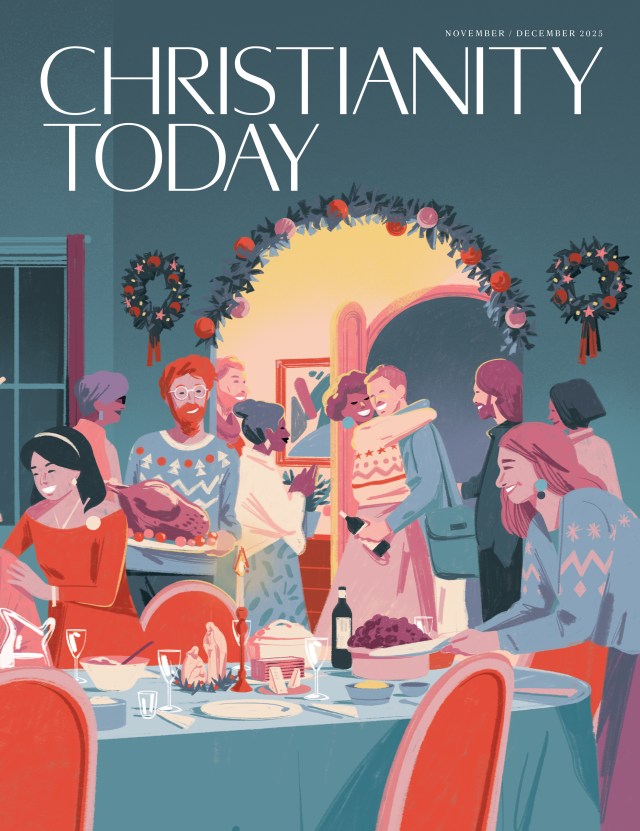
As we enter the holiday season, we consider how the places to which we belong shape us—and how we can be the face of welcome in a broken world. In this issue, you’ll read about how a monastery on Patmos offers quiet in a world of noise and, from Ann Voskamp, how God’s will is a place to find home. Read about modern missions terminology in our roundtable feature and about an astrophysicist’s thoughts on the Incarnation. Be sure to linger over Andy Olsen’s reported feature "An American Deportation" as we consider Christian responses to immigration policies. May we practice hospitality wherever we find ourselves. |
|
more from christianity today |
|
CHRISTIANITY TODAY WEEKLY: CTWeekly delivers the best content from ChristianityToday.com to your inbox each week. |
|
CT PASTORS: Each weekly CT Pastors issue equips you with the best wisdom and practical tools for church ministry. |
|
Each issue contains up-to-date, insightful information about today’s culture, plus analysis of books important to the evangelical thinker. |
|
Delivered free via email to subscribers weekly. Sign up for this newsletter. |
|
You are currently subscribed as npy7hz0ktx@nie.podam.pl. Sign up to more newsletters like this. Manage your email preferences or unsubscribe. |
| | |