Hello! As promised in yesterday's newsletter, I will be focusing on the top environmental stories of the year.
Click here to catch up on what I saw as the most impactful social and governance stories. Now that we have the ‘S’ & ‘G’ out of the way, it’s time to focus on ‘E’. This year has seen some devastating extreme weather events.
It started off with the wildfires in Los Angeles and ended with the fatal floods in Morocco and Bolivia. In between that time, there were hurricanes, cyclones, typhoons, earthquakes and more wildfires. There’s no way I would begin to quantify the impact of each natural disaster as the loss and pain from surviving such an event is immeasurable.
Instead, I will be focusing on the themes that have had the most impact. The stories that kept cropping up have predominantly revolved around rising heat, climate law rollbacks, water, artificial intelligence and critical minerals. One could argue that all five points are linked as the rising use of AI leads to a push for more water, critical minerals and electricity – often powered by fossil fuels which leads to rising temperatures. A vicious cycle.
But enough of me ranting on my soap box. Scroll on for a brief recap on each point and to find out your most watched video and most clicked commentary piece of the year. Once you’re done, you can log out and enjoy the rest of the year and festive season! I will see you again on January 6, 2026. Have a Happy New Year, Switchies! |
|
|
1. ‘On track for extreme warming of 2.3 C to 2.5 C' |
This year began with research from scientists confirming that 2024 was the first full year of global temperatures exceeding 1.5C above pre-industrial levels. Since that study in January, the United Nations Environment Programme said that countries will not prevent warming from exceeding 1.5 degrees Celsius, which was the main goal of the Paris Agreement brokered a decade ago.
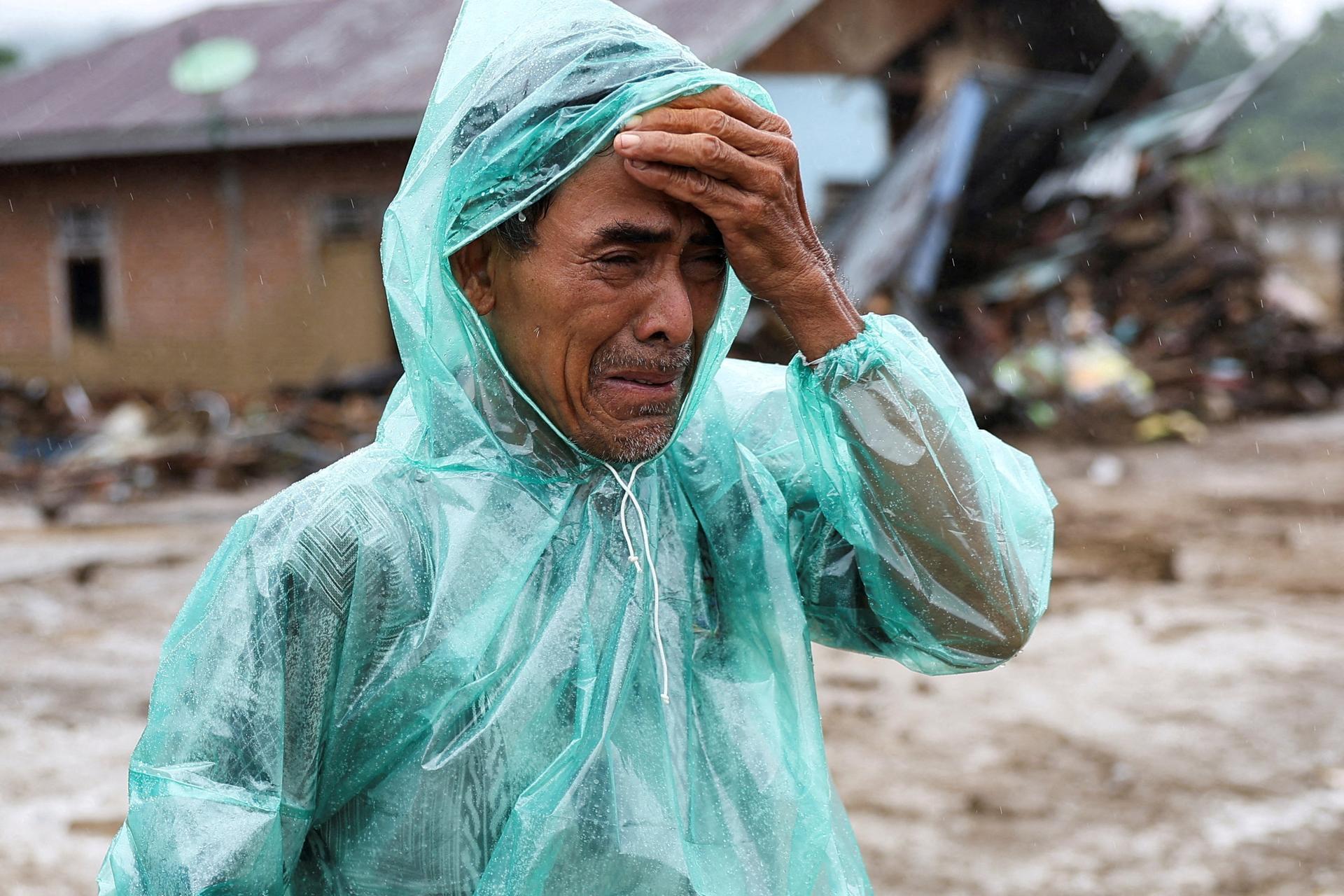
Instead, the world is on track for extreme warming of 2.3 C to 2.5 C. More heat means more extreme weather events, which was confirmed via a recent study which showed the link between rising sea temperatures and the recent wave of fatal floods that hit Asia last month. |
A local resident Abdul Ghani cries while looking for his wife Marsoni, who has been missing following deadly flash flood in West Sumatra province, Indonesia. REUTERS/Willy Kurniawan |
2. Unsustainable Switch: Ditching climate, embracing fossils
|
Despite years of negotiations, pledges, and summits, greenhouse gas emissions have climbed by a third since the first U.N. Conference of the Parties (COP) meeting three decades ago.
Fossil fuel consumption continues to rise while global greenhouse gas emissions have increased by 34% since 1995. The problem is that continued use of fossil fuels poses a major challenge to achieving global net-zero climate targets.
Earlier this year, the United States withdrew from the Paris Accords as President Donald Trump told the U.S. to “drill baby drill” and declared a national energy emergency.
But it’s not just the U.S. that’s been reversing its course on climate this year. The European Union has been scaling back its environmental laws from weakening its corporate sustainability reporting rules to dropping its effective ban on new combustion-engine cars from 2035 after pressure from the region's auto sector.
Globally, oil, gas and coal will continue to dominate the world’s energy mix well beyond 2050, as soaring electricity demand outpaces the shift to renewables. But what’s been boosting this demand for more power? The answer lies in the next major climate theme of the year – AI. |
3. Artificial intelligence: A thirsty and power-hungry little thing |
Electricity demand is rising, mainly due to a projected 20-40% increase from the industry and buildings sectors by 2050, according to the report, with North American data centers seen as the biggest contributors to the surge.
The number of data centers, which store computing infrastructure, is growing exponentially as the world increasingly uses AI and cloud computing. The International Energy Agency expects global data center power demand to double by 2030.
But the energy intensive centers also pose another challenge – water use. More data centers are looking to use water or specialized coolants instead of air cooling, as liquid cooling can be 3,000 times more efficient than air at removing heat. Click here for an explainer on AI and cooling. |
4. Water watch: A more political approach |
Water got a little political this year as the European Union put forward a water-saving proposal to address the intense pressure on Europe's water supplies from industry and climate change, while increasing its spending on water sector investments, including on restoring ecosystems like wetlands that can help buffer against floods.
Meanwhile, India and Pakistan escalated pre-existing tensions over control of the Indus River. India considered plans to dramatically increase the volumes of water it draws from the Indus River – which feeds Pakistani farms downstream – in response to an April attack on tourists it blamed on Islamabad.
And don’t even get me started on Britain’s Thames Water. The utility faced a deepening debt crisis and has become a symbol of the failure of Britain's privatised water sector due to its sewage pollution. |
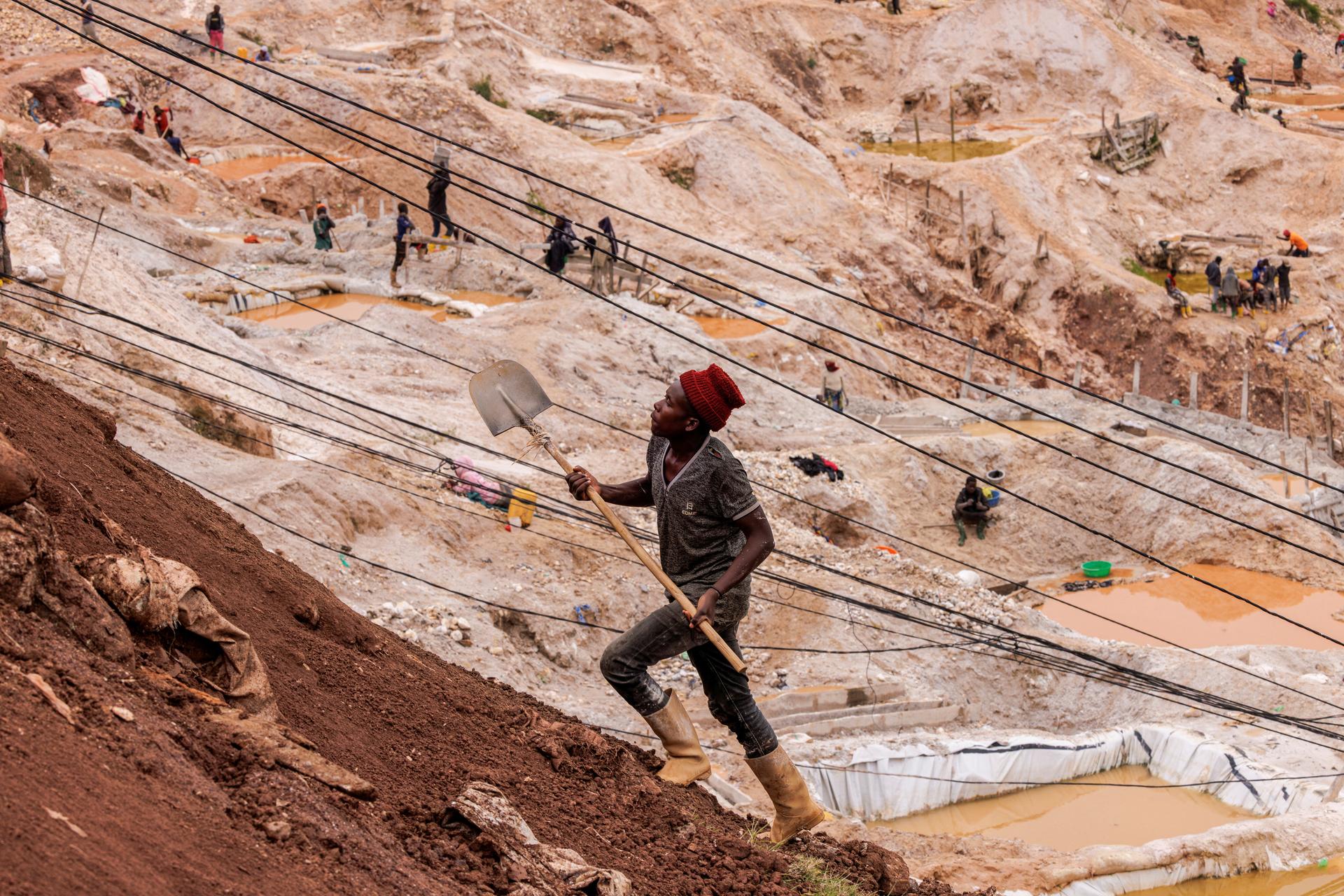
A labourer carries a shovel as he walks at the Rubaya coltan mine, Rubaya, controlled by M23 rebels, in the eastern Democratic Republic of Congo. REUTERS/Zohra Bensemra |
5. Critical minerals and DR Congo |
Countries in the Global North have been trying to secure more critical minerals, which are essential for smartphones and electric vehicles and building data centers that power artificial intelligence.
The Democratic Republic of Congo has been at the center of this effort as the African country is rich in cobalt, lithium, uranium, tin, tungsten, tantalum, gold, diamonds, copper, charcoal and timber.
Reuters reporters visited the town of Rubaya in March this year – a region that produces around 15% of the world’s coltan, all dug manually by locals who earn a few dollars per day.
Some U.S. entrepreneurs set their sights on Rubaya’s coltan as Trump sought to “broker a peace deal to end the conflict” and “promote development of the region’s mineral wealth.” The country’s formal mining sector at present is dominated by Chinese companies. Click here for a short Reuters video on the investigation. | |
|
Now that you’ve scrolled down all the main climate themes that emerged in 2025, here ‘s your most watched video for the year. The most clicked on video was a story on climate adaptation and innovation as a couple in Los Angeles, spoke about their house that was built with an emphasis on sustainability and wildfire resilience. |
|
|
Your most read comment was a piece by my esteemed sustainability colleague Ross Kerber who wrote about companies pushing back against Trump’s anti-diversity, equity and inclusion practices in the government and the private sector. Click here for a recap.
That’s it. That’s a wrap for this year. Until next time, stay informed. And remember, while this newsletter provides highlights, Reuters subscribers enjoy unlimited access to every story mentioned plus exclusive content. No article limits, no barriers to understanding. Click here to subscribe. |
|
|
|