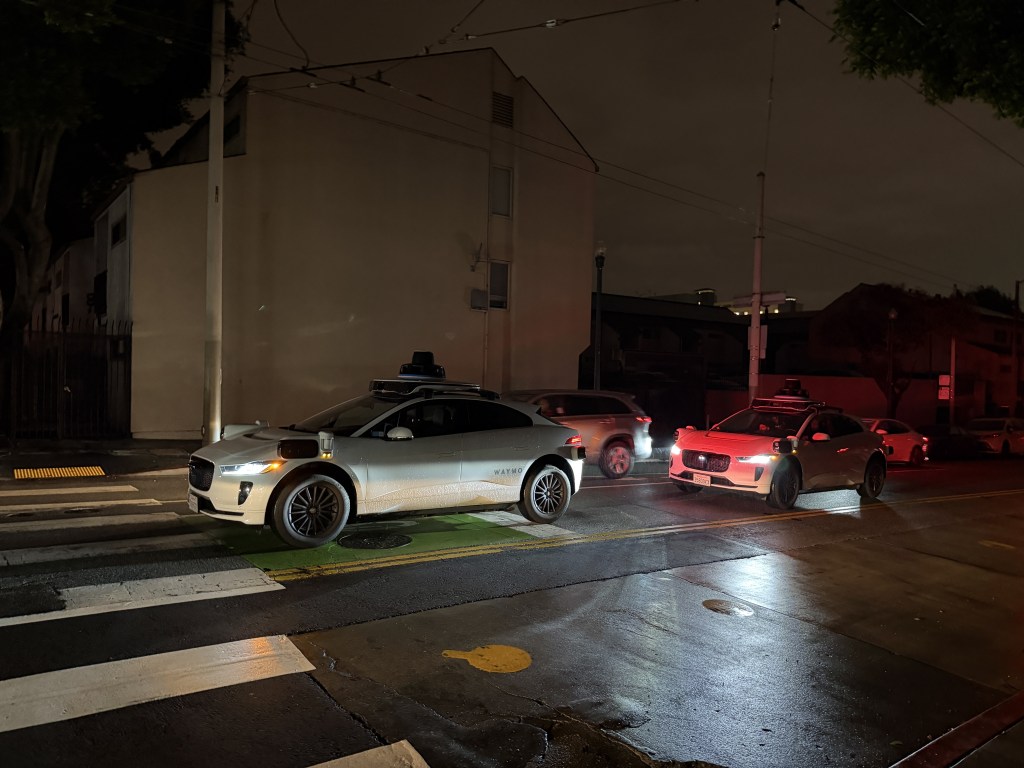
 A Waymo robotaxi unable to detect traffic lights after a major power outage in San Francisco, California on December 20, 2025.Tayfun Coskun/Anadolu/Getty Images
An extraordinary experiment happened over the weekend in San Francisco.
What would a fleet of autonomous vehicles do when a widespread power outage knocked out traffic lights across one-third of the city?
We quickly found out—and the results were plastered all over social media.
On Saturday afternoon, Waymo vehicles throughout SF
opted to stop where they were or pull over and throw on their hazard lights—“blocking intersections” and “compounding gridlock,”
observed the San Francisco Standard—leading the Alphabet-owned robotaxi operator to suspend service throughout the city. (It resumed Sunday evening.)
In a statement, Waymo said that its vehicles are “designed to treat non-functional signals as four-way stops” but “the sheer scale of the outage led to instances where vehicles remained stationary longer than usual.”
As locals worked through the outage, a moderate debate about the robotaxi fleet continued online. Was it so wrong to expect Waymo’s vehicles to play it safe when infrastructure stopped working? After all, aren’t human drivers predictably chaotic when things go sideways? What exactly should robotaxis optimize for: traffic flow or citizen safety?
And: Just how safe is stopping if you prompt traffic to go around you?
Waymo resumed service Sunday evening, no doubt grappling with these questions (and what city officials might have to say about them). “We are already learning and improving from this event,” it said.
—AN 
