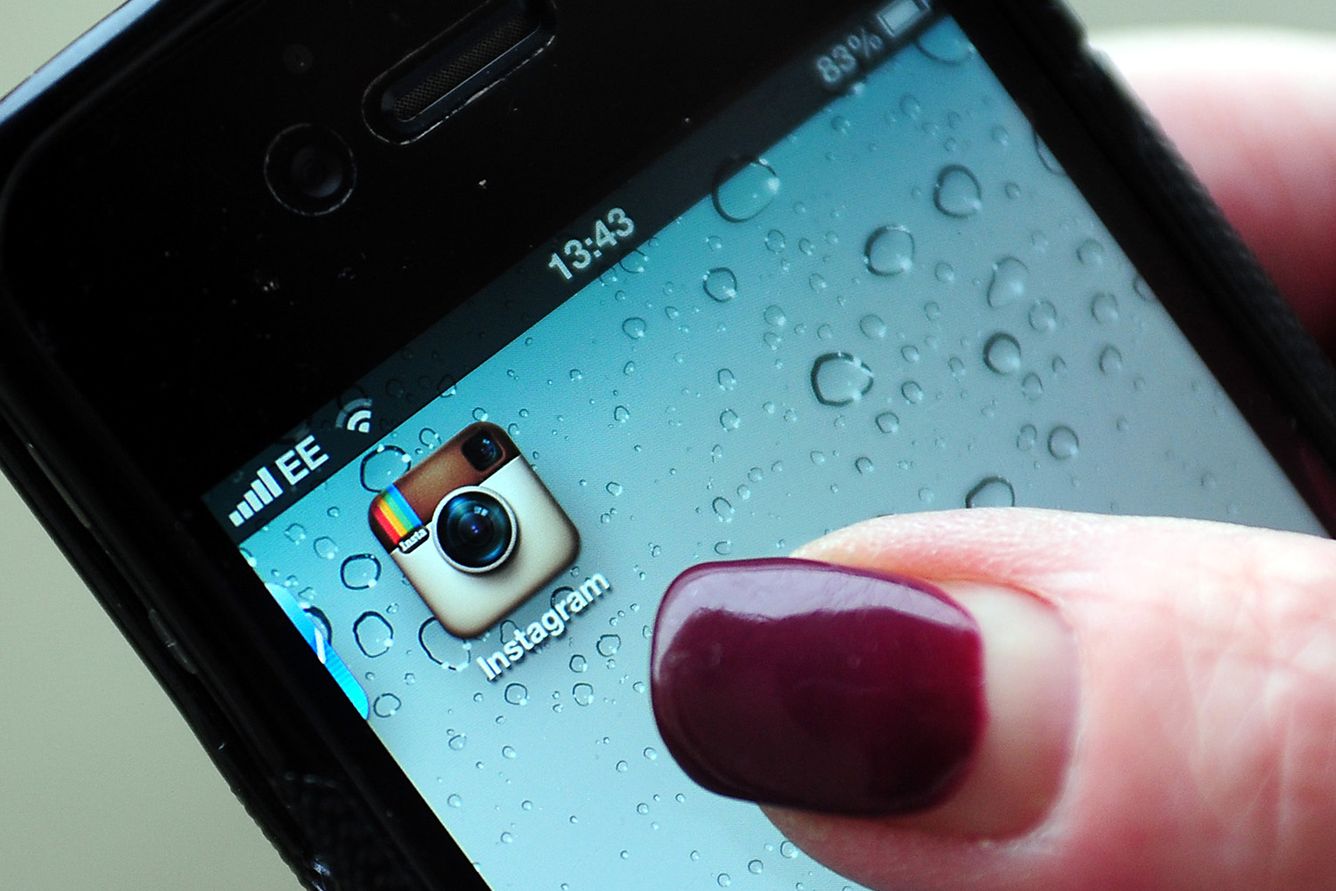
During our winter break, we’re sharing with you some of our favorite stories we’ve published in the past year. This feature on how Instagram created—and then may have hampered—the link-in-bio industry was originally published on June 16 as part of Marketing Brew’s Quarter Century Project. Prior to 2010, a “link in bio” would have referred to a brief history of the 16th president of the United States. Now, it’s a full-fledged industry. Affiliate marketing has been around for decades, and the influencer as we know it was largely built on the back of the 2000s blogging era. However, it wasn’t until Instagram became the platform du jour for creators in the mid-2010s that a cottage industry of social-specific affiliate companies really took off, with the aim of solving for the fact that Instagram posts, unlike blog posts, had no click-through or tracking capabilities. All of a sudden, “link in bio” was not just a follower directive for creators—it was a revenue opportunity for third-party platforms hoping to break down the platform’s walled garden to make it more shoppable and trackable. But while the walled garden was a business opportunity to start, it’s posed a threat to the continued growth of affiliate companies and creators. Platforms that are friendlier to direct linking, like YouTube and Substack, meanwhile, seem to be on the rise and signal a new era beyond the link in bio. “If you look at [Instagram] today versus 2017 and then really rewind it back to 2013, it’s not the same platform at all,” Amber Venz Box, who co-founded the affiliate platform LTK, told Marketing Brew. “It goes by the same name. It doesn’t function the same way. It’s not engineered the same way.” The one thing that’s remained consistent? “It does still have the same business model,” she said, “and we did know that ultimately that model would be a losing model for creators.” Continue reading here.—KH | 




.jpg)