Thanks for reading The Briefing, our nightly column where we break down the day’s news. If you like what you see, I encourage you to subscribe to our reporting here.
Greetings!
The dealmakers of the AI sector didn’t take a break this holiday season. Meta revealed this afternoon it had bought Manus, the Singapore-based developer of AI agents. The price wasn’t disclosed but seeing as Manus’ last fundraising valuation was $500 million, Meta might have spent $2 billion or so but not hugely more than that. (More on Manus here and here). SoftBank, meanwhile, today unveiled a $4 billion buyout of DigitalBridge, an investor in data centers, demonstrating that CEO Masayoshi Son’s corporate credit card remains active despite a spate of other purchases lately (including Ampere,ABB’s robotics group, OpenAI, etc). Does Son have a credit limit?
Then there’s Nvidia CEO Jensen Huang, who doesn’t need to borrow money to buy stuff, given that he has his own dollar printing plant set up in Nvidia’s basement (that’s a joke! We mean his AI chip business). Unlike SoftBank, Nvidia doesn’t want to shout about every deal it does. Take the $20 billion it has lavished on its far-behind rival, Groq, news of which broke on Christmas Eve. Judging by that timing and the parsimonious public statements from both companies, they were hoping this deal would disappear into the ether amid the holiday carousing. After all, Nvidia probably doesn’t want people asking too many questions about how the biggest-by-far seller of AI chips is allowed to get its hands on the technology and most of the staff of a rival. Ah well, reporters have little else to do but wonder about these things.
We should acknowledge at the outset that the details that have been reported so far are all “speculation,” as public relations folks like to say. (That means they’ve been leaked to reporters unofficially by someone or other). All Nvidia and Groq have said publicly is that Nvidia is taking a “nonexclusive license” to use Groq’s technology. In other words, others can negotiate with Groq to use that tech (if you feel like it, you can too!) Oh, and Groq acknowledged it was hiring Groq’s founder, president and other team members. Actually, Nvidia is hiring 90% of Groq’s staff, according to this Axios report over the weekend. Employees, like Groq’s investors, are getting paid out for their stock at that $20 billion valuation, Axios also said. Hmmm. If you’re a sentient being, you might think that amounts to an acquisition of most of Groq‘s assets. But why quibble over semantics! Notably, The Wall Street Journal reported today there’s likely to be a bidding war for Groq's remaining assets. (For more on why Nvidia would want Groq, and why Groq might want to sell, see here and here).
Lots of other companies have done faux-acquisitions in the AI sector like this, to be sure, including Google (with Character.ai), Amazon (Adept) and Microsoft (Inflection). As our story about the Groq deal last Wednesday also noted, Nvidia did another one of these with Enfabrica. By falling short of being an actual acquisition, these deals appear designed to avoid regulatory scrutiny. So far they’ve succeeded on that front, even if there’s been reports that regulators have taken a look at one or two. This Groq deal, though, is the biggest of all of these. If antitrust regulators in the Trump administration are doing any work at all, this should attract their attention.
Making Money With Intel
One place where both SoftBank and Nvidia have made a quick buck on investments is in shares of Intel. Both companies announced in the late summer they would invest in the ailing chipmaker, although Nvidia only completed its $5 billion investment on Friday. (It had to wait for regulatory approval for that one!) SoftBank completed its $2 billion investment in September.
Since the two deals were announced, Intel’s stock has risen more than 50%. SoftBank, for instance, bought 86.9 million shares for $23 apiece while Nvidia got 214.8 million shares for $23.28. Intel today closed at $36.68, which means SoftBank has already made $1.2 billion while Nvidia has made $2.9 billion. Not bad!
In Other News
• A crypto company that struck a partnership with the Trump family’s World Liberty Financial has fired an audit firm it hired weeks ago.
• China’s top internet regulator issued draft rules to govern the use of AI services that involve human-like interactions, as Beijing tightens its oversight amid the country’s rapid AI adoption.
Today on The Information’s TITV
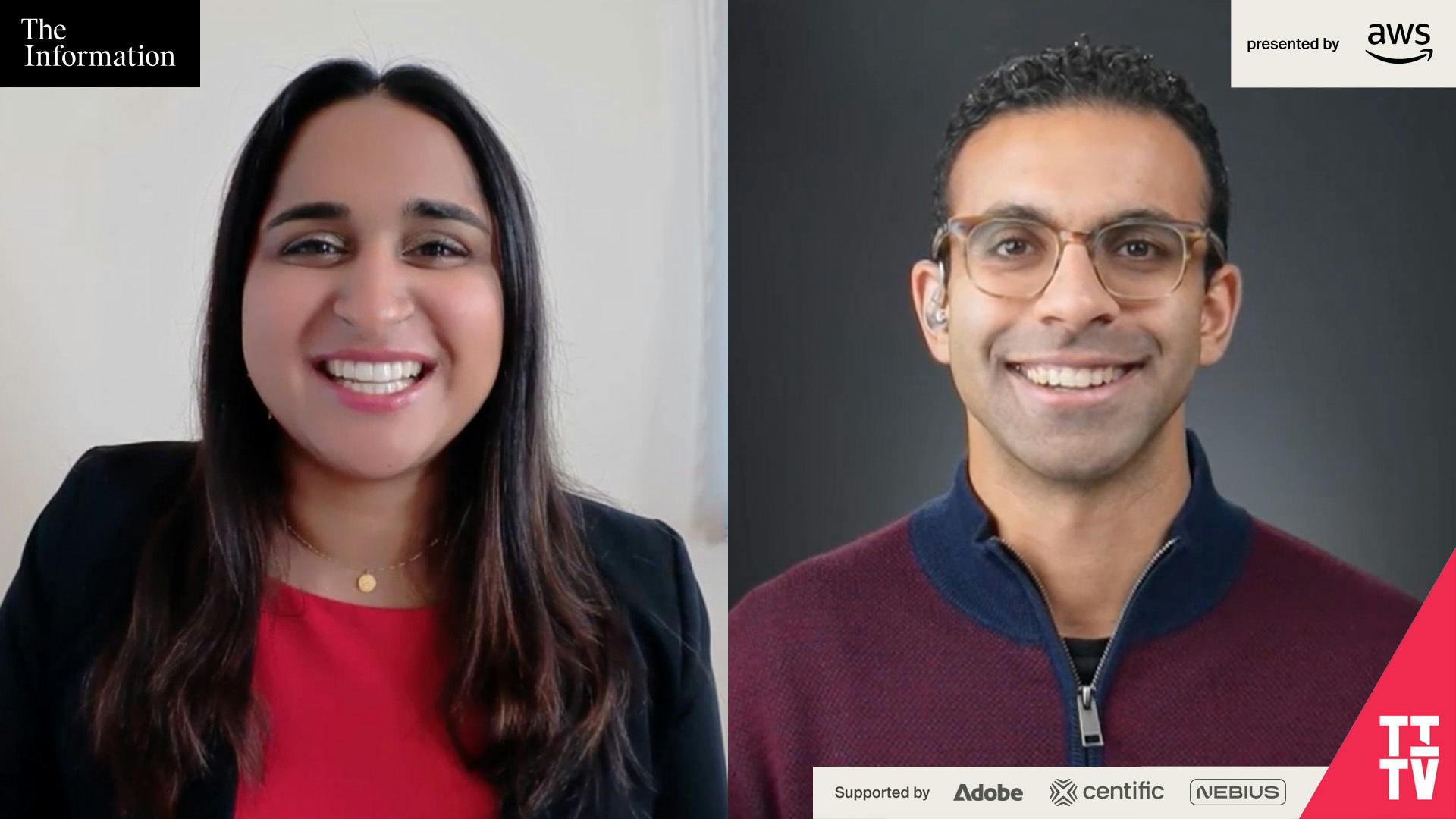
Check out our latest episode of TITV in which we talk about the extent to which Waymo can grow into the $100 billion valuation it is talking about with investors.
Recommended Newsletter
Start your day with Applied AI, the newsletter from The Information that uncovers how leading businesses are leveraging AI to automate tasks across the board. Subscribe now for free to get it delivered straight to your inbox twice a week.