|
 |
Why Traceability Matters in the Generative AI Age
Discover why traceability is the safety net that makes AI usable in professional documentation
|

| |||||||||||||||


As organizations adopt generative AI to help create, retrieve, or transform technical content, the need for traceability has become impossible to ignore. Writers, editors, and content strategists now live in a world where AI can draft a procedure, summarize a release note, or answer a customer’s question using your documentation. That convenience comes with a new responsibility: understanding how the system arrived at its answer.
👉🏼 This is where traceability comes in.
 |
What Traceability Means in Generative AI
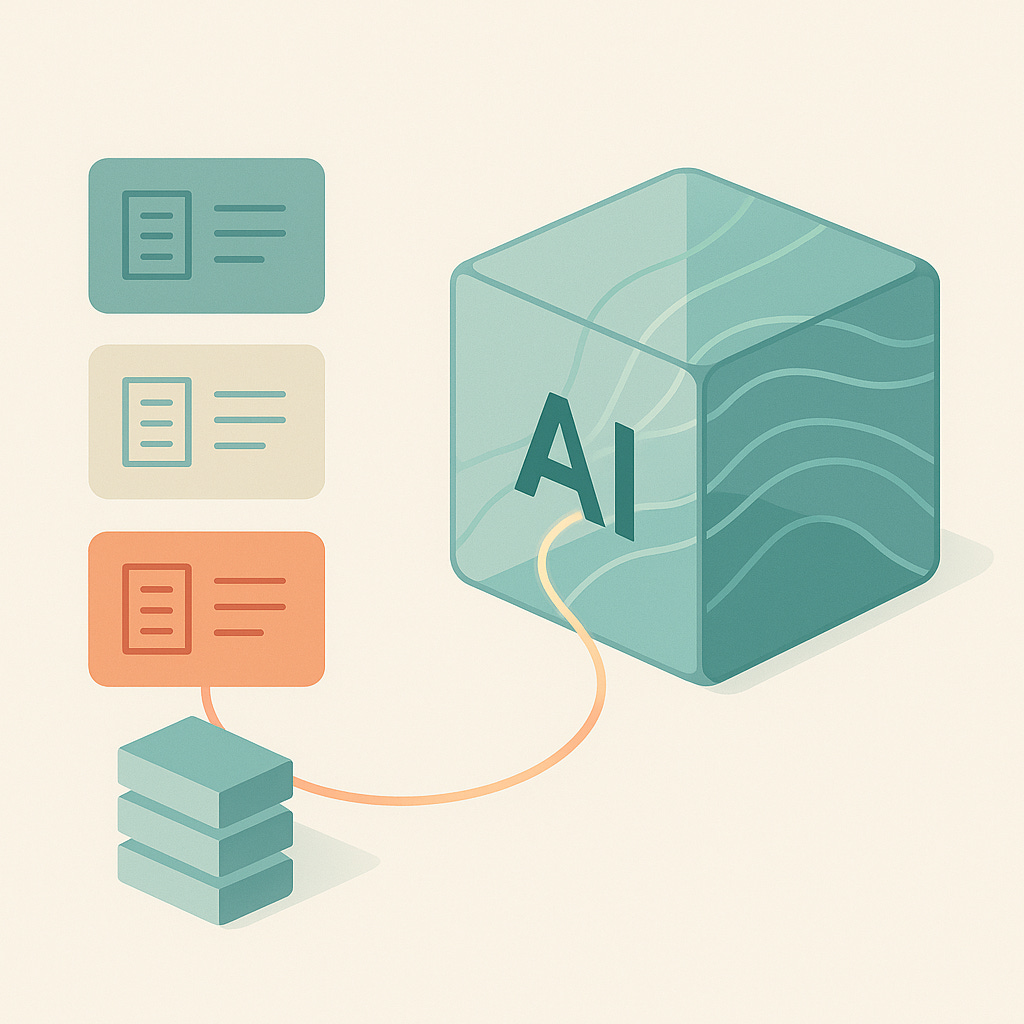
Traceability is the ability to follow the path from an AI-generated output back to the ingredients that produced it.
This includes:
Which source documents the system used
Which model or model version generated the response
What prompts or instructions shaped the output
Which agents or intermediate steps contributed
How the content was transformed along the way
👉🏼 Think of it as an audit trail for generative AI.
When someone asks, “Why did the system say this?”, traceability lets you respond with specifics instead of guesses.
 |
Why Traceability Should Matter to Technical Writers
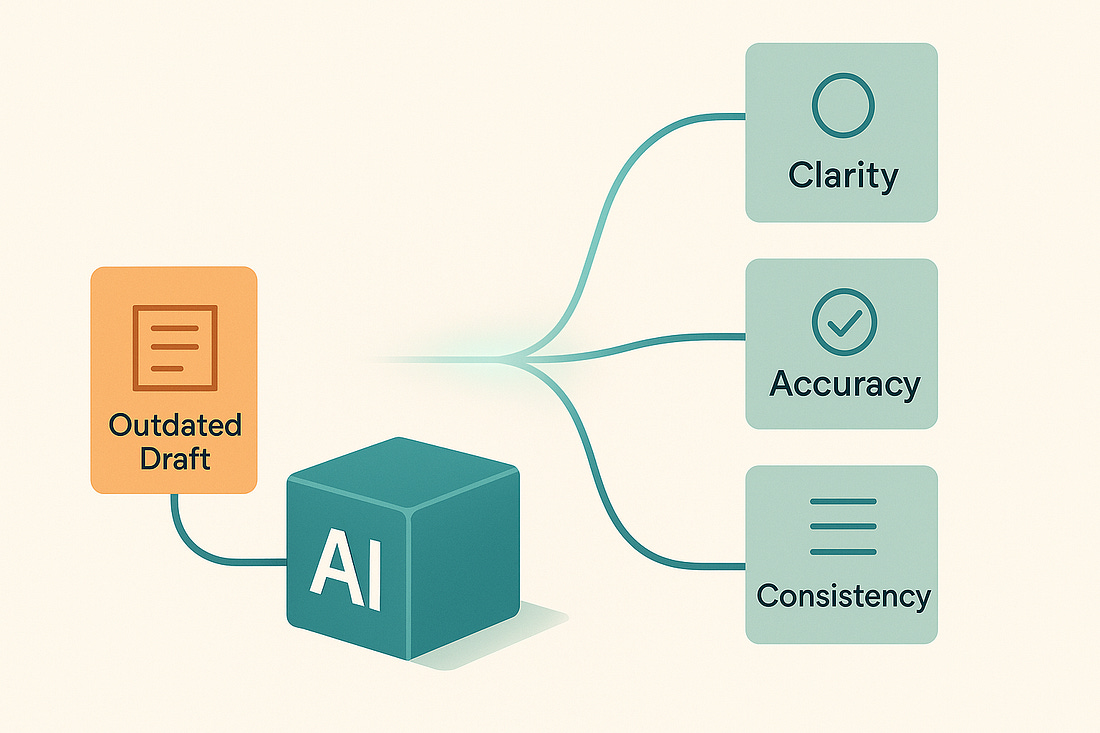
Technical writers are already responsible for clarity, accuracy, and consistency. Generative AI doesn’t change that — it amplifies it. When AI enters the workflow, writers must ensure the system uses the right source content and produces outputs that reflect the approved truth.
👉🏼 Traceability makes that possible.
With traceability, you can confirm whether an answer came from a vetted topic or from an outdated draft lurking in a forgotten folder. You can determine whether the system hallucinated a detail or faithfully retrieved information from your component content management system (CCMS). You can see which metadata tags influenced retrieval and whether an agent followed your instructions or drifted off course.
Without traceability, you’re left guessing — not a great position when accuracy is part of your job description.
 |
The Role of Traceability in Governance and Compliance
Many writers work in environments where rules matter: medical devices, finance, transit, telecom, cybersecurity, manufacturing. In these contexts, every published statement must be backed by a controlled source.
Related: The Ultimate Guide to Becoming a Medical Device Technical Writer
As AI becomes part of content production, reviewers, auditors, and regulators will ask legitimate questions:
Was this answer based on approved documentation?
Did the system use any restricted content?
Can you prove the output followed the organization’s processes?
👉🏼 Traceability provides the evidence.
It becomes a natural extension of version control, metadata, review workflows, and other content governance practices writers already use.