| | In this edition, how AI-generated sexually suggestive deepfakes could bring a wave of new regulation͏ ͏ ͏ ͏ ͏ ͏ |
| |  | Technology |  |
| |
|
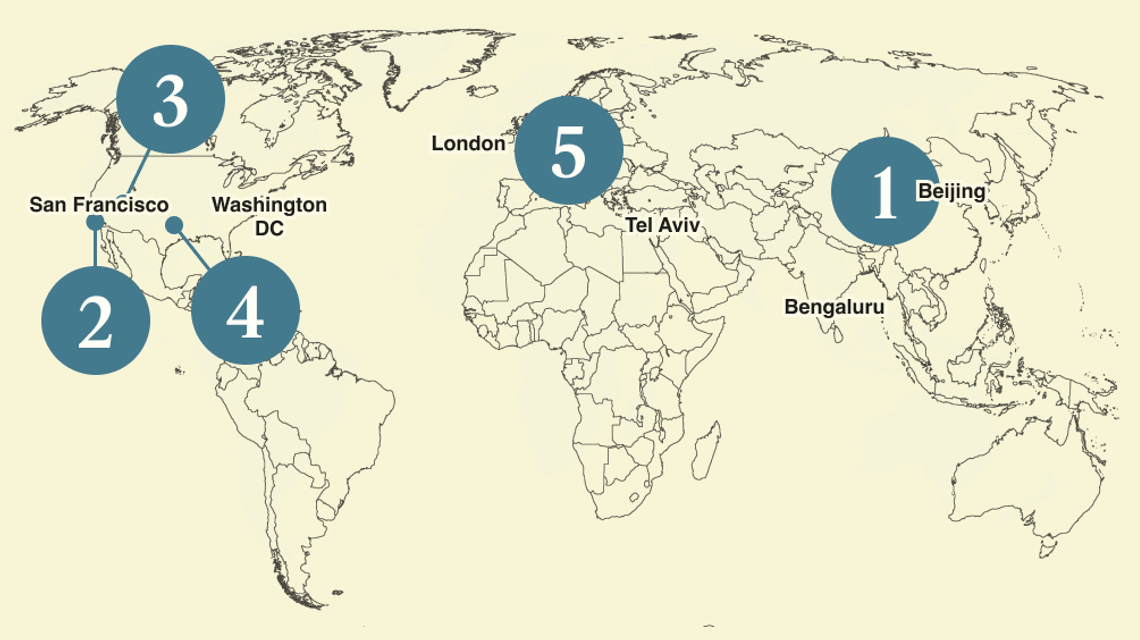 - Chasing the H200s
- A new G in Gmail
- Star-studded robots
- A new Southwest takes flight
- Big tech tempers EU rules
 Why the AI era will mark the end of tech companies’ legal immunity, and Lego’s new “Smart Bricks” spark controversy among toy lovers. |
|
 Late last year, Grok, the chatbot created by Elon Musk’s xAI, began creating and publicly displaying nonconsensual, sexually suggestive deepfakes of real people. The outrage has been growing and finally may have reached boiling point. Opposing sexual exploitation of minors may be the most bipartisan issue on the planet. Forty-eight US states have passed some form of a law banning the use of AI to create sexually suggestive, fake imagery of real people. So has the federal government, and other countries around the world. And yet: There seem to have been little consequences — at least for now — for violations on Grok and other, smaller platforms. (We’ve seen some threats of action from European countries.) It may feel like the endlessly discussed dead end of social media regulation. But this isn’t the social media era. Companies like Facebook were protected from almost any liability for publishing user-generated content. Grok and other AI companies have no such invincibility. That’s because they are creating the content this time, unambiguously on their own servers. (This still needs to be decided in court, but it’s highly unlikely that content created by a company will be considered user-generated). In this new AI era, people have a lot more power to hold companies accountable. The copyright lawsuit against Anthropic that resulted in a $1.5 billion settlement was a good example. In the US, the first salvos against companies like Grok could be civil suits. But law enforcement and regulatory agencies have real power here — and I’d be very surprised if they don’t start using it. |
|
China poised to allow H200s |
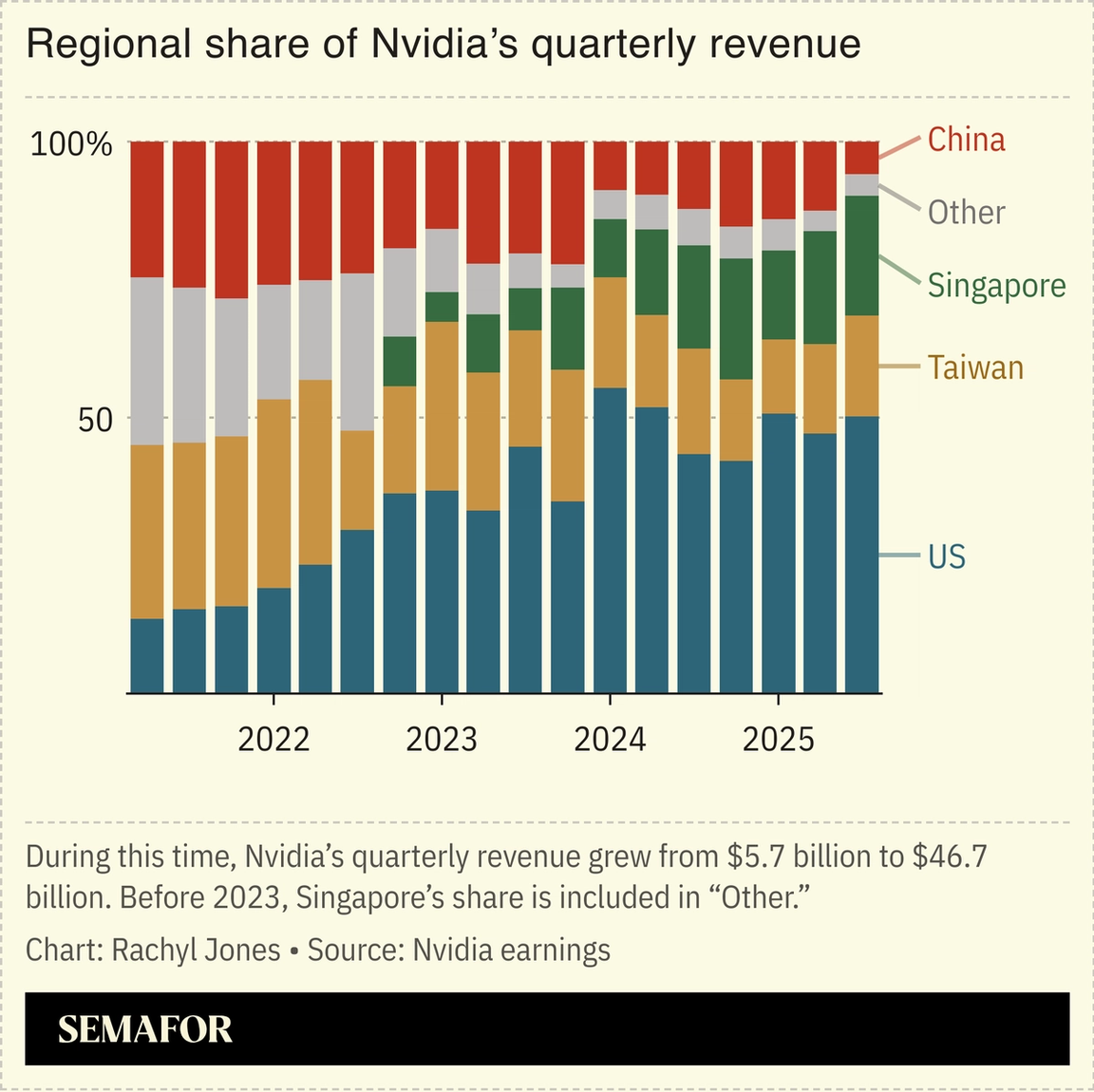 China’s decision to allow Nvidia’s H200 chips into the country will revive what was once a huge sales driver for the company before the US restricted its exports. With sales expected to start as soon as this quarter, Bloomberg reported, China’s chip market could reach what CEO Jensen Huang estimates is $50 billion in the coming years. Still, it’s unclear what strings are attached. The Information reported on Wednesday that China had asked some companies to delay their purchase plans. To account for the uncertainty, Nvidia has imposed strict terms to the purchases, requiring upfront full payments from Chinese customers, with no option to cancel to receive a refund, Reuters reported. |
|
Gmail gets Gemini, but it’s short of true agentic AI |
| |  | Rachyl Jones |
| |
 Google Workspace/YouTube Google Workspace/YouTubeGmail is perhaps the biggest proving ground for showing AI can save employees time and make their jobs easier. Even with Slack zapping the number of emails sent, most people still waste so much time sifting through their inboxes. And even with the introduction of various AI tools, I still find search results chaotic, the predictive text useless, and message summaries off the mark. Google announced Thursday it will now integrate Gemini into Gmail, adding functionalities of a personal assistant. Think automated to-do lists and email responses. I’m also eager to search complex queries of my inbox, like finding experts on a certain topic that I have interacted with but whose name I may have forgotten. While the Gemini integration is a cool development, the real holy grail will come when Gmail can deploy agents that personalize the AI to each user. The latest announcement — which isn’t agentic — doesn’t offer that. So even with Gemini turbocharging your Gmail, it still won’t be able to read your mind like a true personal assistant. |
|
Chinese robots are front and center at CES |
 Steve Marcus/Reuters Steve Marcus/ReutersOne of the buzziest technologies at the US’ big tech showcase this week were Chinese robots. They poured coffee, folded laundry, and dealt cards, albeit painfully slowly at times. Chinese firms made up more than half of the robot exhibitors at Las Vegas’ CES in a visible marker of the nation’s robotics prowess, which is becoming an increasing geopolitical concern to the US. Humanoids are emerging as the next big application for AI. While the US leads in software, China has the manufacturing backbone to scale its industry and has been dusting the US on consumer robotics for years. It’s also committed 1 trillion yuan ($138 billion) toward robotics. There’s plenty of private sector investment propping up the US industry for now from the likes of Tesla, Google, Amazon, and others. But to emerge as the world leader in the field, the Trump administration will need to do more than issue an executive order saying it’s prioritizing robotics. It will need to double down on funding for academic research and attract foreign talent in academics and the private sector. |
|
Southwest’s lesson in limits |
 Courtesy of Southwest/Joey Pfeifer/Semafor Courtesy of Southwest/Joey Pfeifer/SemaforSouthwest, until now, has been the only major US airline that did things differently — with its open seating protocol and two free checked bag allowance. That is until its millions of simulations revealed the seating practice was actually slowing down boarding, CEO Bob Jordan told Semafor’s Andrew Edgecliffe-Johnson. The company is now undergoing a massive organizational change that includes the implementation of new tech. AI models can take in a multitude of variables to predict how many bags gate agents will have to check, track the movement of ground equipment, and plan which gates aircrafts will park at to speed connections. While Jordan said Southwest has applied tech to these “friction points,” it only goes so far in a $23 billion company with 72,000 employees. His “dumb, simple” solution, he said, is an interpersonal value as old as time: communicating. He’s making weekly videos for employees talking about what the company is doing and sharing his phone number with “hundreds,” he said. It is one of the many ways executives are attempting to get employees on board with massive organizational change required to accommodate AI. Jordan’s strategy is also a good reminder that AI is only as good as its rollout — it can’t make a company more efficient if employees don’t use it. |
|
Another Big Tech win in EU |
 The European Commission headquarters. Francois Lenoir/File Photo/Reuters. The European Commission headquarters. Francois Lenoir/File Photo/Reuters.Tech companies are poised for a big win if Europe waters down its digital regulations overhaul and makes compliance voluntary. Regulators are expected to ease the Digital Networks Act, which aims to modernize and unify the EU’s telecom market, later this month, Reuters reported citing sources. What could have required companies like Google, Meta, and Amazon to fund Europe’s network development — something they argued were protectionist measures intended to make US companies pay for a European tech build-out — will instead have them comply on a voluntary basis. It’s the latest sign that Europe has been easing up on the regulatory onslaught in recent months, especially after President Donald Trump accused it of being too hard on American companies. The EU has denied the US having any involvement in its rulemaking, but the bloc is certainly tempering its regulation-first status to better compete with the US and China. |
|
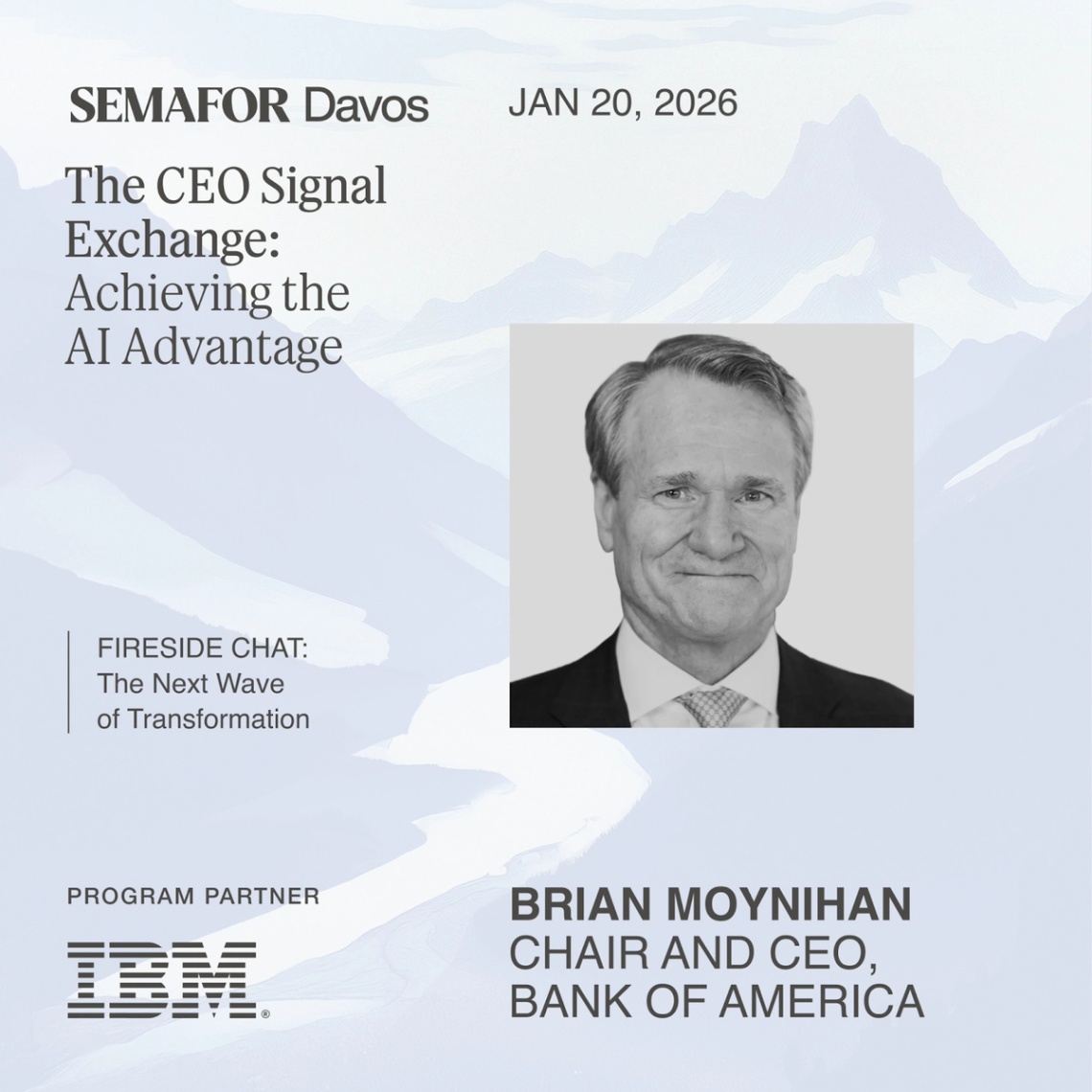 On Tuesday, Jan. 20, Brian Moynihan, Chair and CEO of Bank of America, will join Semafor in Davos for The CEO Signal Exchange: Achieving the AI Advantage, examining the next wave of transformation. The conversation will explore how companies are leveraging AI to accelerate growth, what lies ahead for technology, and how these shifts will shape the next era of innovation. Jan. 20 | Davos | Request Invitation |
|
 Courtesy of Lego Courtesy of LegoEverything is awesome! Lego’s latest invention — its biggest in half a century, the company says — is dividing fans over its tech integration. The “Smart Brick” looks similar to a traditional Lego block but includes a chip allowing it to flash, make sounds based on movement, and react to other so-called smart Lego pieces. Fans have had mixed reactions, with some criticizing the steep cost, sound quality, and worries that the company has prioritized technological innovation over play (it takes roughly three hours to fully charge the brick for 45 minutes of play). The company defended the new product, saying it “does not mean that we’re leaving our core proposition behind.” The reaction might seem a bit over the top for a children’s toy (don’t come at me, Lego people), but it taps into a bigger wave of tech fatigue. AI is being integrated into nearly every workplace and product, often regardless of whether its usefulness justifies the cost. With AI and other “smart” features bombarding people, there’s something nice about playing with analog Lego blocks just the way they are. There’s also other ways to integrate next-generation technology without disrupting the traditional building experience. Smartphone app Brickit, which predates the AI boom, scans a photo of a user’s available blocks and suggests what to build with step-by-step instructions. Another site lets users turn their photos into a custom Lego mosaic and order the pieces to make it. The company is going to have to do a better job at convincing parents its new technology-enabled bricks are worthwhile. — Rachyl Jones |
|
|


