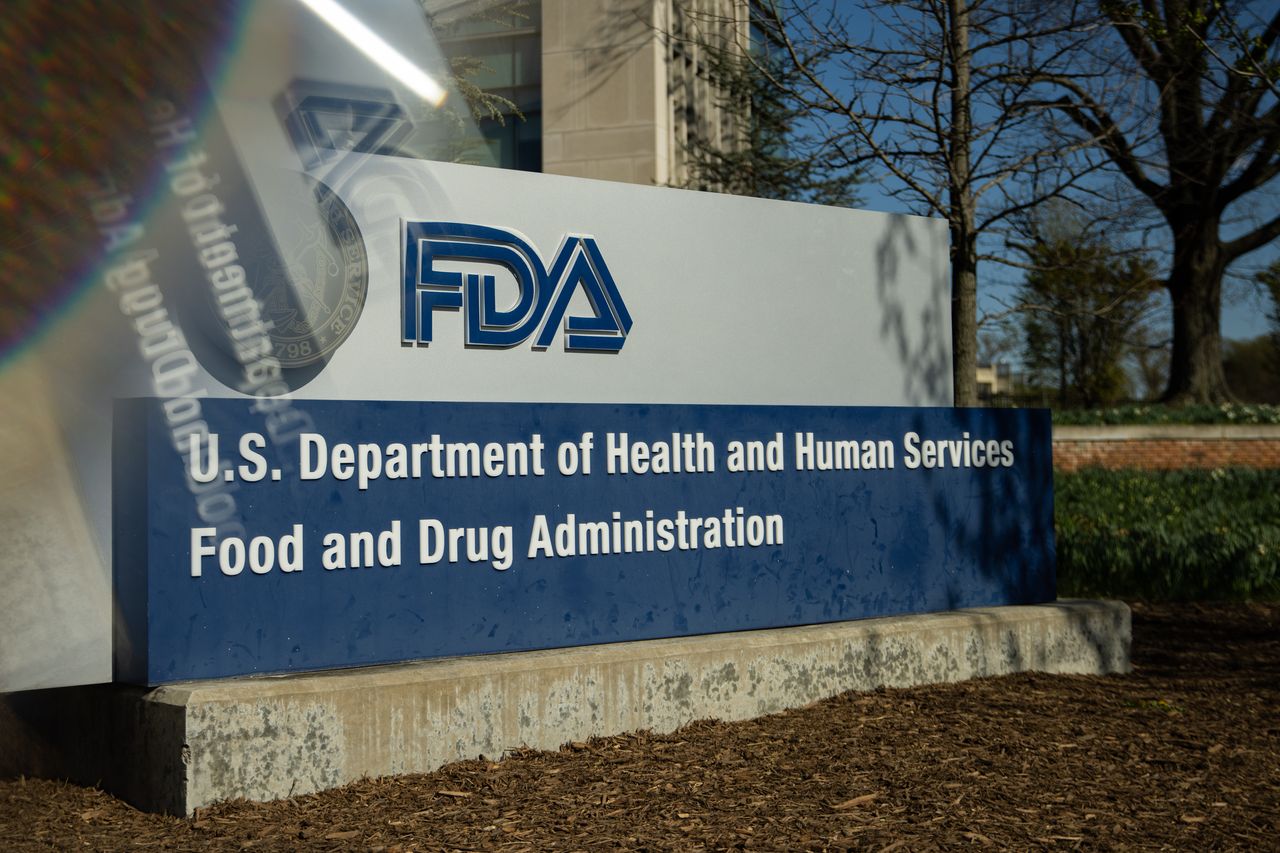
| |  | WP Intel File | The Food and Drug Administration’s approach to drugs and vaccines is undergoing a significant shift, WP Intelligence Lead Health Analyst Rebecca Adams explores in her latest report. She takes a closer look at the disparate treatment of products under the Trump administration: ultra-expedited reviews for some drugs in just a couple months but, on the other hand, plans for stricter standards for vaccines. Why it matters: This inconsistent course has major implications for the industry’s bottom lines, patients’ access to products and public health. HHS’s take: Spokesman Andrew Nixon said, “Under Commissioner [Marty] Makary’s leadership, FDA has delivered landmark wins for the American people, and we will carry that momentum into 2026 with a focus on common-sense vaccine policy, streamlined evidence-based review processes, and safer nutrition standards.” → It’s a meaty report, so Rebecca is here to give you a breakdown of everything you need to know: TOP TAKEAWAYS 1. LOOKING AHEAD ON VACCINES I dug into a 33-page memo that led up to this week’s move by Health Secretary Robert F. Kennedy Jr. to scale back the number of childhood vaccines recommended for all U.S. children. The memo calls for more research into long-term problems that could be tied to vaccines, and urges the Centers for Disease Control and Prevention to “continue its work revising recommendations based on the latest vaccine developments and scientific research.” For example, the memo’s “next steps” say the administration “should fine-tune the schedule with recommendations for certain populations for those vaccines that are no longer routinely recommended for all children.” What it means: Given Kennedy’s background as an anti-vaccine activist, it sounds like more restrictions may be in store for some people. The memo says, “HHS should work with states and physician groups to educate parents and physicians on changes to the CDC childhood immunization schedule.” It’s unclear whether that would be an advocacy campaign in line with Kennedy’s beliefs. The nation’s top vaccine regulator has already signaled other big changes in the type of evidence that would be needed for vaccine safety and efficacy, including the annual flu vaccine update. HHS’s view: Nixon said FDA “remains grounded in gold-standard science and practical solutions that strengthen public trust.” 2. STAFF EXITS Meanwhile, FDA experts from across the ideological spectrum expressed alarm about the exodus of experienced staffers. By the numbers: The FDA’s drug center lost more than 18 percent of its staff by last fall, according to an agency website, and the biologics center overseeing vaccines had lost more than 16 percent of its staff. Why it matters: Former FDA official Jesse Goodman said in an interview that his top agency issue to watch in 2026 is whether there’s a continuation of “unprecedented hemorrhaging of experienced physicians and scientists from the agency, which has lost a great deal of capacity and expertise.” And former FDA acting commissioner Janet Woodcock, who spent nearly four decades at the agency, told me: “What has changed dramatically is the ability of the agency to function, to do its public health mission, because of the loss of senior leadership, the loss of process …. That’s actually a huge fundamental shift. What’s happened is the agency is being dismantled.” → Health Brief has reported on how Makary has said the agency may be working to bring on 1,000 new scientists to help with the FDA’s mission. In December, HHS told Megan, your Health Brief host, that 500 “reviewers, inspectors and investigators” had been recently hired. Nixon, the HHS spokesperson, said last month that the agency is sifting through about 11,500 applications, and will continue adding to the agency. 3. DRUG REVIEW CHANGES Makary, the FDA commissioner, is making a number of drug review changes. Here are the toplines: - He wants the agency to make review decisions within one to two months for treatments selected under his Commissioner’s National Priority Voucher.
- He said that he wants to expand the FDA’s move in recent years to rely on one clinical trial rather than two.
- FDA leaders also proposed in an article allowing individualized therapies to go on the market without a randomized clinical trial in some cases. They said that this could be available for common as well as rare diseases, particularly those without proven alternative treatments or when there is considerable unmet need following the use of available therapies.
Next steps: The commissioner’s national priority voucher program is already operating, and has been awarded to 18 companies. Agency leaders have not yet spelled out, in regulatory guidance documents, the details of their ideas on clinical trial requirements. — Authored by Rebecca Adams | 

_tstmp_1756933376-1920-1080.png)