| | The US Fed chair faces a criminal investigation, Washington mulls an intervention as Iran’s protests͏ ͏ ͏ ͏ ͏ ͏ |
| |  Terhan Terhan | Naypyidaw |  Brussels Brussels |
 | Flagship |  |
| |
|
The World Today | 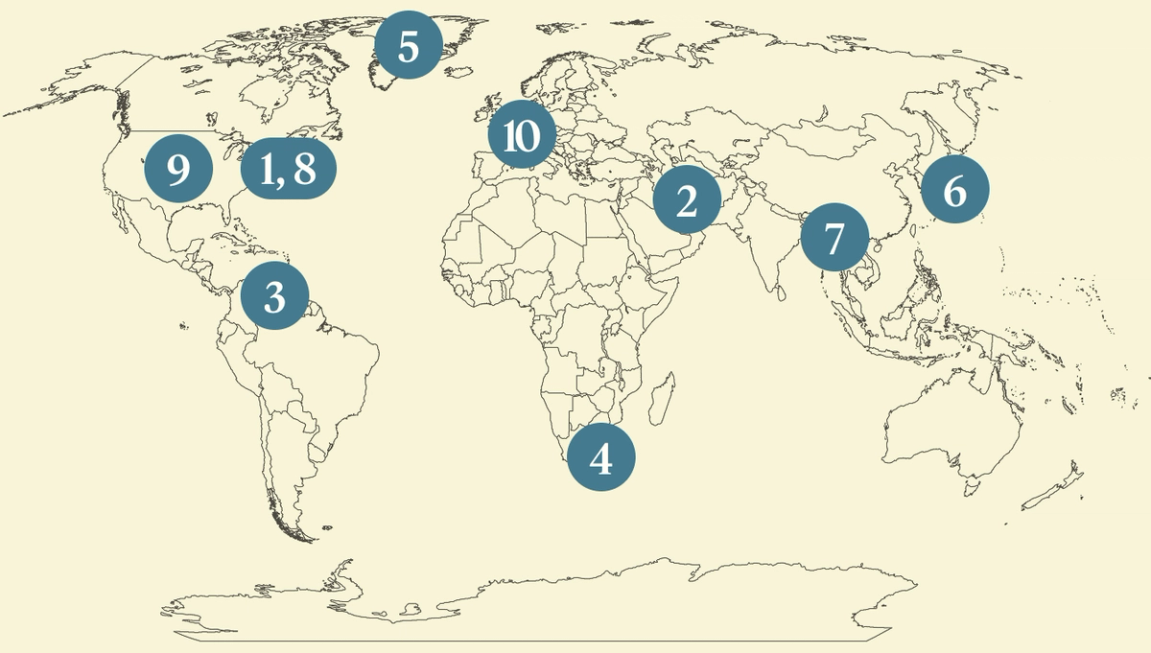 - Fed chair faces probe
- US weighs Iran response
- Caracas sanctions may ease
- BRICS+ runs naval drills
- NATO to bolster Arctic
- Japan’s rare-earths move
- Myanmar genocide case
- Politicization of science
- GLP-1 drugs’ global impact
- Double Rubens painting
 A special, AI-focused edition of the London Review of Substacks, and a mystical novel set in 1920s Kabul. |
|
US probes Fed chair Powell |
 Kent Nishimura/File Photo/Reuters Kent Nishimura/File Photo/ReutersUS authorities launched a criminal investigation into the head of the country’s central bank, sparking political furore and driving investors into haven assets like gold. Federal Reserve chair Jerome Powell characterized the move — over the renovation of the bank’s building — as part of efforts to stifle the Fed’s independence: President Donald Trump has repeatedly complained that policymakers have not cut rates aggressively enough and has floated firing Powell. News of the probe drew backlash in Washington, including from Republican Senator Thom Tillis. “If there were any remaining doubt” that the Trump administration sought to politicize the Fed, “there should now be none,” he posted, adding he would block confirmation of Powell’s successor, due in May, until the issue was resolved. |
|
 Social media via Reuters Social media via ReutersUS President Donald Trump said Washington was planning a possible intervention over Iran’s crackdown against anti-government protests. More than 500 people are reported to have died as the regime — weakened by sanctions, economic stagnation, and recent attacks by the US and Israel — moved against the demonstrations, the most serious threat against the authorities in years. Tehran has blocked internet access, but footage of widespread protests, including chants of “death to the dictator,” has made it out. Trump said the attacks on protesters could lead to “very strong options” but that Iran wants to negotiate: Among the cards Tehran has to play would be to close the Strait of Hormuz, a key thoroughfare for much of the world’s oil. |
|
US to ease Venezuela oil sanctions |
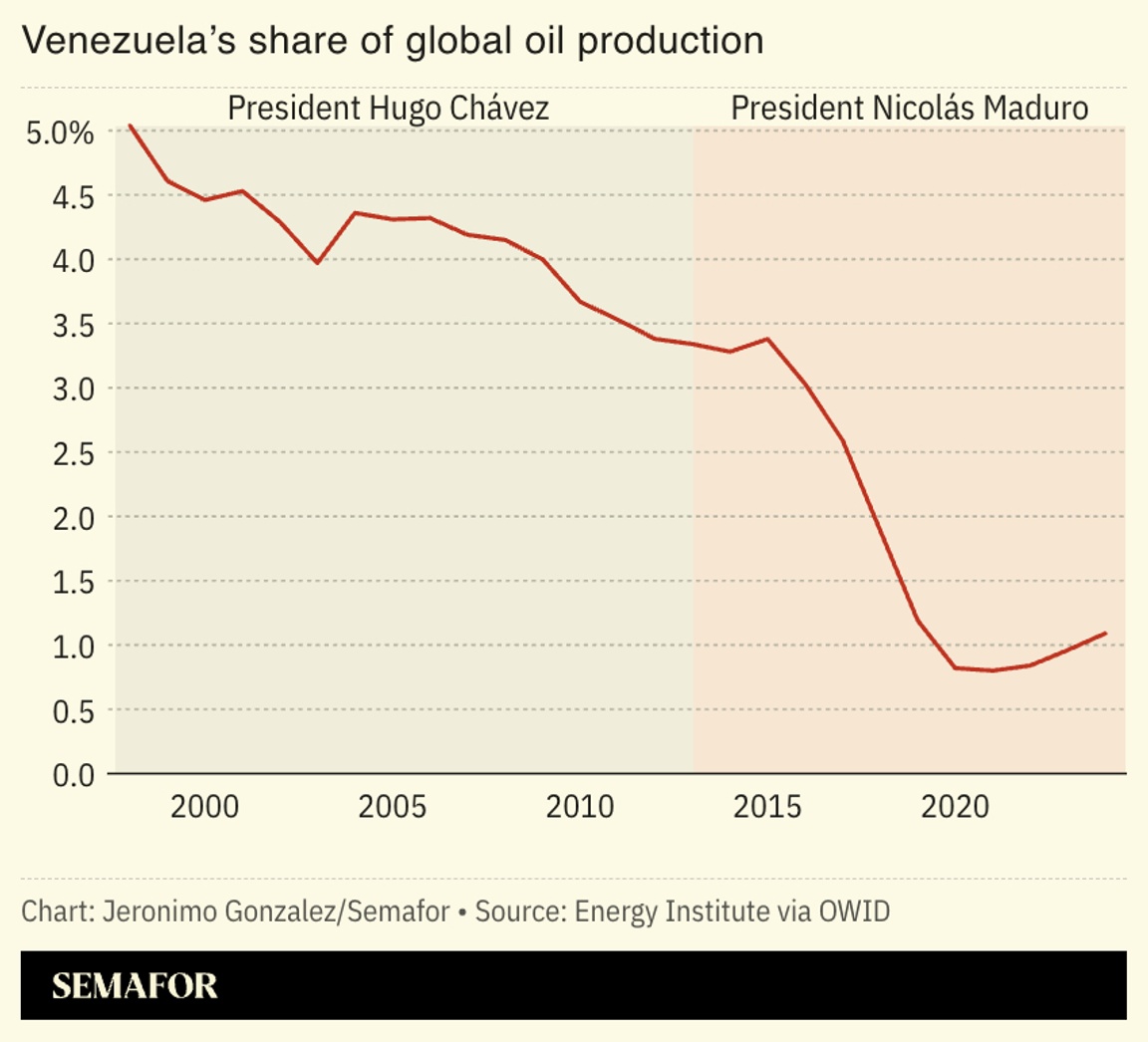 US Treasury Secretary Scott Bessent said the White House was preparing to lift more sanctions on Venezuela’s oil industry as soon as this week. Bessent’s remarks — alongside the potential release of billions of dollars of World Bank and IMF funds to revive Caracas’ economy — come with the US also pressing major oil companies to ramp up investments in the country, which has the world’s largest stated crude reserves. However, some oil majors have expressed reservations about working in Venezuela: US President Donald Trump said Exxon, for example, could be sidelined, after its CEO said the South American country was “uninvestable,” and Trump in effect told ConocoPhillips’ CEO to drop its effort to recover $12 billion it says it is owed by Venezuela. |
|
BRICS+ countries run naval drills |
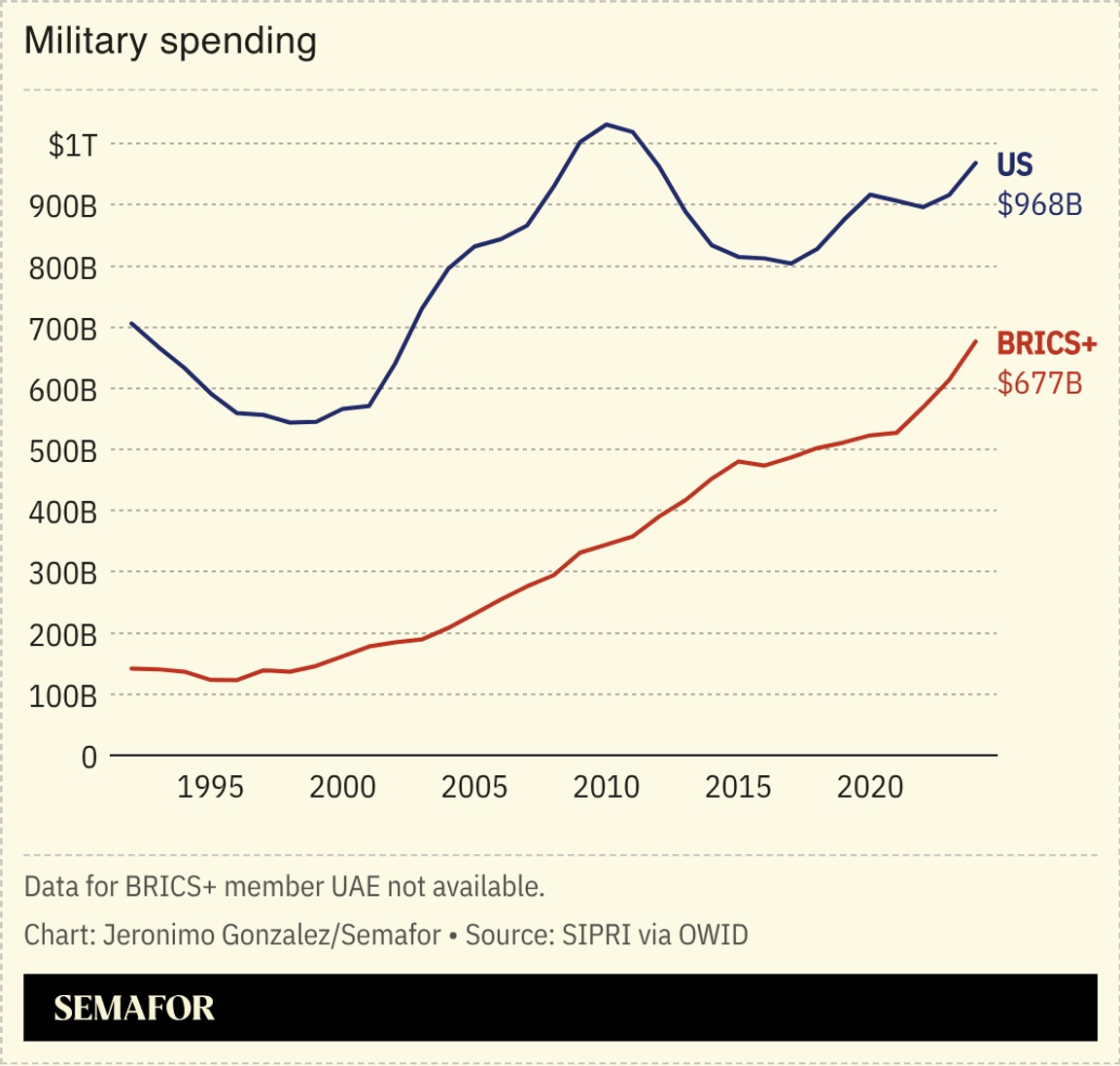 China, Iran, and Russia conducted naval exercises in South African waters over the weekend, operations Pretoria said were a response to rising maritime tensions. The week-long exercises — which include other BRICS+ members that US President Donald Trump accuses of pursuing “anti-American” policies — were fiercely criticized by many politicians in South Africa: One of the parties in the governing coalition said they “contradict [the country’s] stated neutrality.” They also illustrate the balancing act South Africa is attempting to carry out on the global stage, aiming to defuse widening tensions with Washington over trade and Pretoria’s support for genocide charges against Israel over the Gaza war, while maintaining strong ties with, for example, Beijing, its biggest trading partner. |
|
UK, Germany seek to protect Arctic |
 Danish military drills in Greenland. Guglielmo Mangiapane/File Photo/Reuters Danish military drills in Greenland. Guglielmo Mangiapane/File Photo/ReutersBritain and Germany are discussing how to bolster NATO’s military presence in the Arctic, in a bid to deter Russian aggression and fend off US President Donald Trump’s threat to take over Greenland. Washington’s rhetoric over a potential assault on the Danish territory has been given greater credence by its capture of Venezuela’s president, and European leaders are scrambling to respond. They want to show that they have the Arctic’s security under control, Bloomberg reported, and are seeking to undermine Trump’s arguments for annexing Greenland. The Arctic is of growing strategic importance, both as a source of minerals and, as the seas warm and ice melts, as a shipping route from the Atlantic to the Pacific. |
|
Japan looks to sea for rare earths |
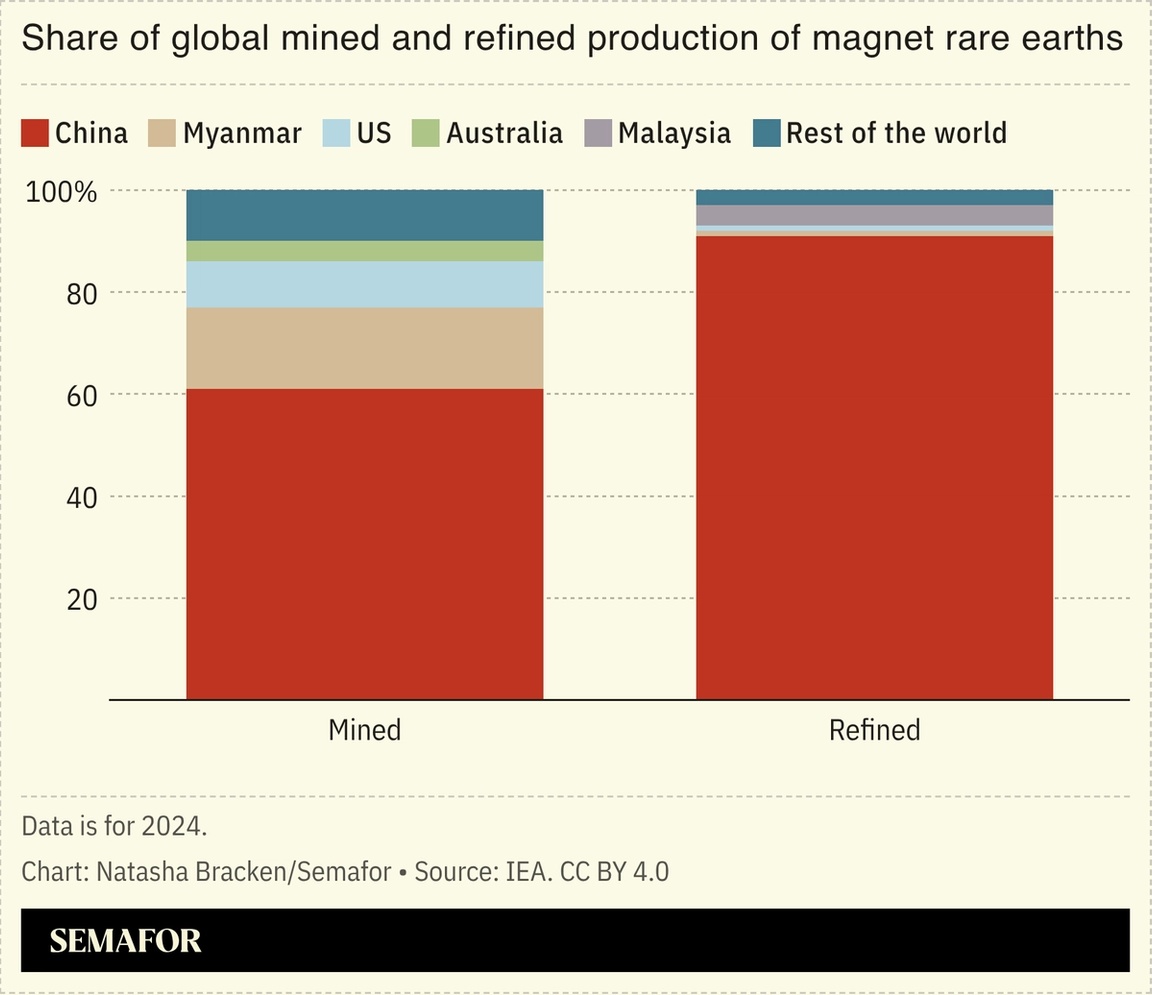 Japan launched the world’s first deep-sea trial for mining rare earths, as the global race to secure access to the key metals heats up. Japan and much of the West have moved to diversify the supply and refining of rare earths — crucial for the manufacture of cars, electronics, and military equipment — away from China after Beijing threatened to cut off US-bound supplies amid a trade dispute with Washington. In response, US Treasury Secretary Scott Bessent is expected to push other G7 nations to accelerate efforts to reduce their reliance on China when he hosts finance officials today. The G7 accounts for roughly 60% of global demand, while China makes up more than two-thirds of global supplies. |
|
ICJ hears Myanmar genocide case |
 Piroschka van de Wouw/Reuters Piroschka van de Wouw/ReutersThe International Court of Justice today opens hearings into charges Myanmar committed a genocide against a mostly Muslim minority group. The three-week case centers on the Myanmar authorities’ 2019 offensive against the Rohingya population, in which hundreds of thousands were driven into neighbouring Bangladesh alongside reports of mass killings, rapes, and other acts of violence. The trial — the first that the ICJ has taken up in full in more than a decade — has ramifications that extend far beyond Myanmar: The allegations were brought by The Gambia, which took the lead alongside a number of Muslim countries in pushing for the case; and the verdict could have significant consequences for South Africa’s genocide case against Israel over the Gaza war. |
|
 In a crowded information landscape, clarity matters. Gallup’s Front Page is a free weekly newsletter offering nonpartisan analysis from Gallup experts, grounded in data from more than 140 countries and regions globally. It provides context on the forces shaping the world and the implications behind them. Subscribe to stay informed. |
|
Moderna chair warns of ‘dystopia’ |
 Noubar Afeyan. Guglielmo Mangiapane/Reuters Noubar Afeyan. Guglielmo Mangiapane/ReutersThe politicization of science is undermining the scientific method itself, the co-founder of the biotech firm Moderna warned. In his annual shareholder letter, Noubar Afeyan noted that science had created “man-made miracles,” from the lightbulb to anti-HIV drugs. But, he said, the US — traditionally the driving force for scientific research — had backed away, cutting funding and restricting researchers’ visas. “Corrosive doubt” has, he said, led to the return of measles in the US and elsewhere, as leaders “reject not only science but common sense.” We live simultaneously in “the utopian age” in which a baby with a deadly genetic condition can be cured, and a “dystopia” where the same baby can die of a disease eradicated decades ago, he added. |
|
Amazon offers Novo’s GLP-1 pill |
|
|


