| |  | | | | |  | By Megan R. Wilson | Did someone forward this newsletter to you?? Sign up here to get it in your inbox. In today’s issue: Exclusive: New moves planned at HHS. … The evolving world of cell and gene therapies. … The American Academy of Pediatrics scores legal victory in grant funding battle with the administration. Hello and welcome to the Health Brief newsletter. The Senate is working on a compromise to revive the enhanced Affordable Care Act subsidies that expired at the end of 2025. But President Donald Trump is telling reporters he might veto legislation that extends them — so we’re right back where we started. The winter bug going around Washington finally got me. Send your best health policy tips and intel (and favorite remedies) to megan.wilson@washpost.com. If you prefer to message me securely, I’m also on Signal at megan.434. This newsletter is published by WP Intelligence, The Washington Post’s subscription service for professionals that provides business, policy and thought leaders with actionable insights. WP Intelligence operates independently from the Washington Post newsroom. Learn more about WP Intelligence. | 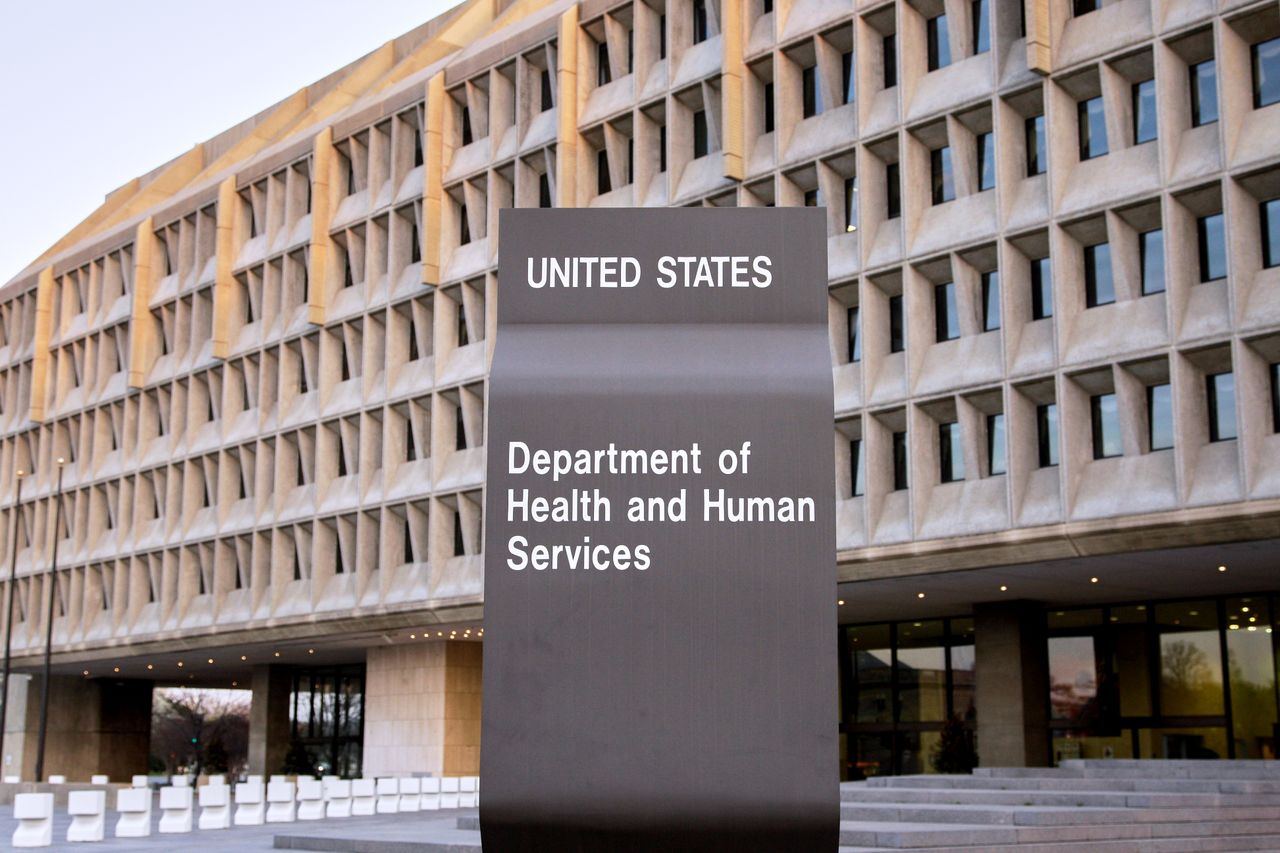 | | New roles incoming at the U.S. Department of Health and Human Services as the Trump administration's second term enters its second year. (Alex Brandon/AP) | | | |  | The Lead Brief | — Authored with Lena H. Sun in The Washington Post newsroom. As the second year of the Trump administration’s second term begins, top health agency staff closely aligned with Health Secretary Robert F. Kennedy Jr. on public health and vaccines issues are being shuffled into new influential positions at the Department of Health and Human Services. - The White House is planning to nominate Sean Kaufman to lead the Administration for Strategic Preparedness and Response (ASPR), an agency at the Department of Health and Human Services, multiple people tell Lena and me.
→ Senior CDC officials were told on a call Friday that Kaufman would be nominated within two weeks, agency staff told Lena. HHS deferred to the White House, which didn’t comment on the nomination. Kaufman, who specializes in preventing the spread of infectious diseases, joined the Centers for Disease Control and Prevention as a senior adviser for global affairs in December. He ran a consulting and safety training business called Safer Behaviors and has been an expert witness opposing covid vaccine mandates. Leading ASPR requires the Senate’s approval. Why it matters: The ASPR has been without a leader since the beginning of the second Trump administration. It’s not a well-known office outside of certain public health circles, but it plays an instrumental role in helping the U.S. prepare for — and respond to — public health emergencies, including pandemics and attacks from bioweapons. It is also responsible for overseeing the Strategic National Stockpile, which holds the federal government’s stockpile of emergency medicines, vaccines and other medical countermeasures to protect against such public health threats. - HHS senior adviser William “Reyn” Archer no longer has CDC in his portfolio, according to four CDC sources who spoke on the condition of anonymity for fear of retribution. Archer will now be advising the Office of the Assistant Secretary for Health (OASH) on the agency’s “public health priorities,” said a fifth person, who was not authorized to speak about personnel issues but would not elaborate. Assistant Secretary for Health Brian Christine is a close adviser to Kennedy and oversees several offices, including the office of the surgeon general.
Why it matters: Archer, a former Texas health commissioner, has been a crucial part of Kennedy’s efforts to collect vaccine safety data as he reshapes the childhood vaccine schedule. Kennedy tasked Archer and other senior aides with getting more vaccine safety data from CDC, officials have told Lena. The task included sending the senior aides to CDC headquarters in Atlanta last summer to persuade CDC to turn over sensitive vaccine safety data to David Geier, who has spent decades trying to link vaccines to autism despite several large-scale studies disproving the idea. Geier, listed as a senior data analyst in the HHS personnel directory, was hired by the department to study if that link exists. But Dan Jernigan, the senior CDC official who oversaw vaccine safety, said the request raised legal, patient privacy and ethical concerns. Jernigan told Lena last year that it was the last straw, and prompted him to resign in August. | | | | | | Industry Rx | Custom cell and gene therapies that treat rare disorders aren’t science fiction anymore. “They are here. More are coming,” The Post’s Carolyn Y. Johnson wrote in a story published over the weekend, featuring families impacted by these treatments — and the high-wire act of developing them while maintaining patient safety. “Even as a growing suite of gene therapy tools are changing individual patients’ lives, many are getting stuck in a medical purgatory because they don’t fit the model for turning breakthroughs into accessible treatments,” her report reads. Meanwhile: — On Sunday, the Food and Drug Administration announced it would be giving companies more flexibility in getting cell and gene therapies approved quicker. This includes allowing simpler manufacturing standards while products are being tested, instead of requiring full production-level standards right away. It represents a “formalization of expectations” aligned with what the agency has already been doing on a case-by-case basis “rather than a new regulatory approach,” Chris Meekins of Raymond James said in an investor note. The announcement was not accompanied by official draft guidance, he said, which means “it could be easily changed.” Ideally: Industry hopes that the move will increase investments in biotech and make it cheaper to develop the costly treatments. But: One company, Atara Biotherapeutics, which is developing a therapy meant to treat a rare cancer that can occur after transplants, said Monday the FDA went back on previously agreed-upon guidance to smooth approval for its product. After years of working with the agency — and receiving the green light on the design of their clinical trial — the FDA declined to approve it, the company said in a statement, “in a complete reversal of position by the FDA.” In his investor note, Meekins referred to the reversal as an instance of “mixed messages” that “make it challenging to trust anything FDA says.” “As the old saying goes,” he adds, “actions speak louder than words.” Andrew Nixon, a spokesperson for HHS, said the “FDA will work with the firm to address these issues in accordance with established policies and procedures.” | | | | | | Litigation Report | A federal judge ordered the Trump administration to reinstate $12 million in grants to the American Academy of Pediatrics (AAP) that it had rescinded in December, arguing health officials showed they had a likely “retaliatory motive” for terminating the funding. “This is a case about whether the federal government has exercised power in a manner designed to chill public health policy debate by retaliating against a leading and generally trusted pediatrician-member professional organization focused on improving the health of children,” wrote Judge Beryl A. Howell of the U.S. District Court for the District of Columbia. HHS declined to comment on the ruling. ICYMI: The Trump administration terminated seven grants to AAP, which were focused on reducing sudden infant deaths, improving adolescent health, preventing fetal alcohol syndrome and identifying autism early, Lena H. Sun and Paige Winfield Cunningham in The Washington Post newsroom scooped last month. Administration officials cited a range of reasons, my colleagues reported, including its use of “identity-based language” such as references to racial disparities and “pregnant people,” and insufficient focus in at least one grant program on nutrition and chronic disease prevention, which they said does not align with the agency’s priorities. AAP is also leading a lawsuit filed by medical groups, challenging Kennedy’s unilateral changes to coronavirus vaccine policy and calling for members of the federal vaccine advisory panel — handpicked by Kennedy — to be replaced. → In December, HHS’s top lawyer Mike Stuart denied that the agency had any retaliatory motivations for canceling the grants, arguing that the decision to cancel the funds amounts to an effort to “protect taxpayers from wasteful spending.” The liberal-leaning legal group Democracy Forward, which represented AAP in its suit against the administration, touted the victory. “The court shut down a dangerous attempt to use federal funding as a political weapon and punish pediatricians for speaking the truth,” said Skye Perryman, who leads Democracy Forward. — Lena contributed | | | | | | | | | | | | |


_tstmp_1756933376-1920-1080.png)