| | Trump says Iran has stopped its crackdown, the US sells Venezuelan oil, and a look at Starlink’s geo͏ ͏ ͏ ͏ ͏ ͏ |
| |  | Flagship |  |
| |
|
The World Today | 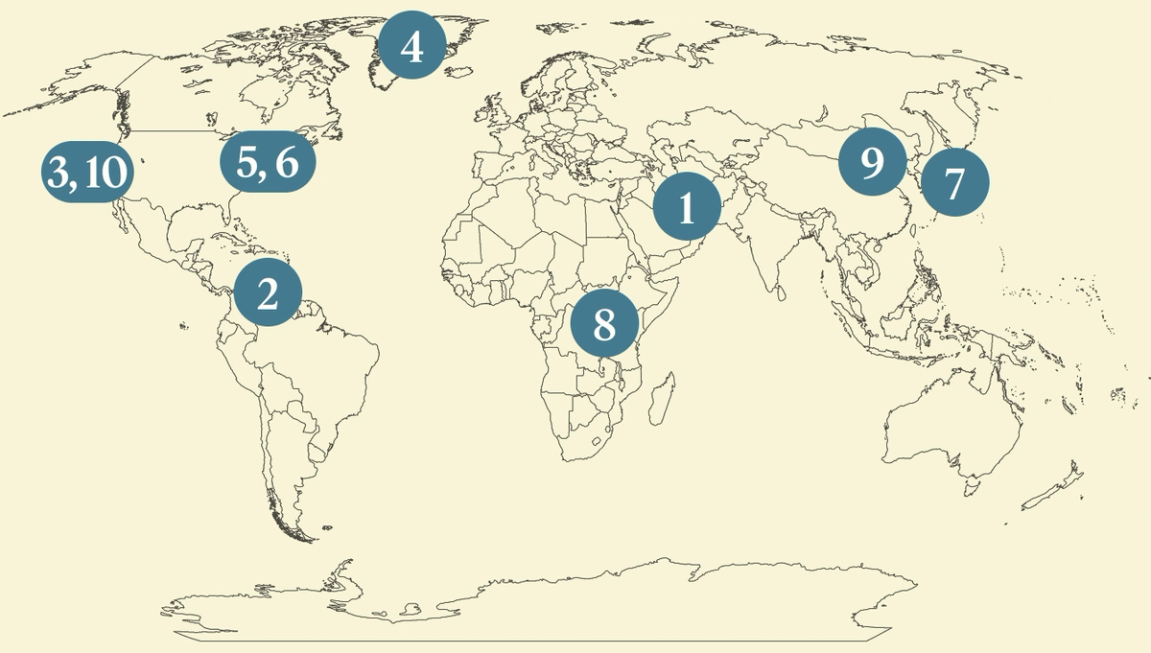 - Trump: Iran killing over
- US sells Venezuelan oil
- Starlink’s geopolitical role
- Impasse in Greenland talks
- Global defense stocks soar
- ‘Sell America’ trade returns
- Japan snap election expected
- Uganda’s predictable polls
- China’s clean-air conundrum
- Barriers to space exploration
 A book about the hidden battle of the airwaves during World War II. |
|
Trump says Iran ‘killing’ has stopped |
 Jonathan Ernst/Reuters Jonathan Ernst/ReutersUS President Donald Trump said “the killing has stopped” in Iran, though he warned that Washington was still weighing military action against the country. Thousands of people are reported to have been killed in the weeks-long protests, and Trump has vowed to support demonstrators, saying help was “on its way.” Tehran has threatened the US with reprisals were it to be attacked, alongside conciliatory signals, including the suspension of a protester’s execution. Washington’s Gulf allies — including several of Iran’s own rivals — have also pushed against a US military intervention, warning that the ripple effects would undermine regional security and damage their reputations as havens for foreign capital, The New York Times reported. |
|
US sells $500M of Venezuelan oil |
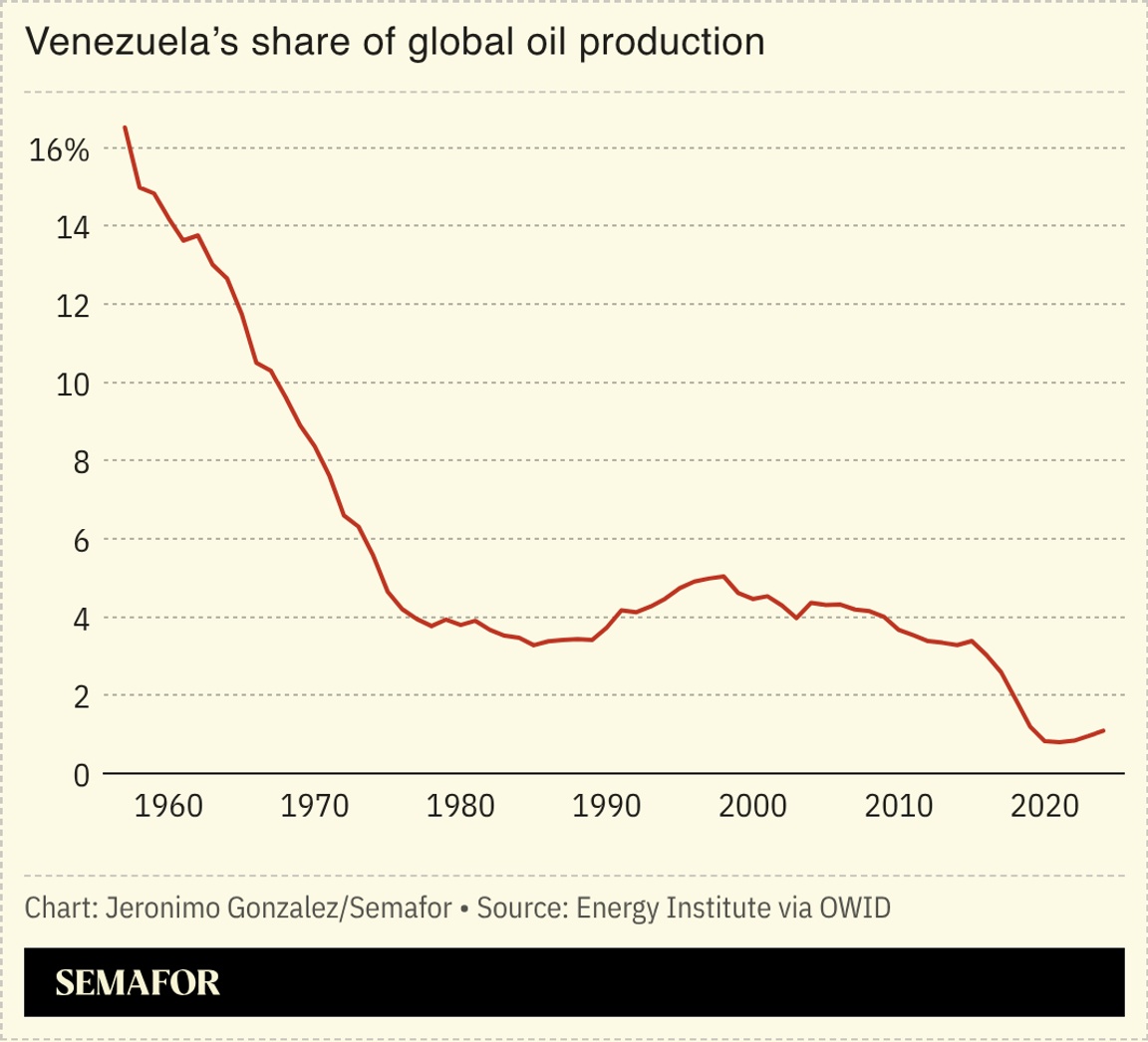 The US sold its first tranche of Venezuelan oil, a milestone in its stewardship of the country’s energy sector since ousting Nicolás Maduro. The $500 million sale, some of the proceeds of which were kept in Qatar, was first reported by Semafor, with The New York Times adding that the White House could expand the plan: US President Donald Trump has vowed to take control of tens of millions of barrels of Venezuelan crude and distribute some of the proceeds back to Caracas, part of Washington’s bid to revive Venezuela’s oil industry. Meanwhile, the US is expected to expand Chevron’s license to operate in Venezuela, though experts warned that doubling production there may cost as much as $100 billion. |
|
Starlink’s role in global protests |
 Nacho Doce/File Photo/Reuters Nacho Doce/File Photo/ReutersStarlink has become central to geopolitical flashpoints around the world, allowing citizens to bypass government-imposed internet blackouts. The satellite broadband network allowed information about Iran’s protests to leak out, and owner Elon Musk has made it free for users there. He has done the same in Venezuela, where US attacks and a government crackdown have limited traditional internet access. Myanmar’s anti-government rebels — and a burgeoning industry of online scam centers — rely on Starlink to circumvent internet blocks. In Sudan, locals “don’t have the luxury” of hating Musk, a Sudanese journalist wrote for New Lines Magazine: Though Musk-led cuts to aid from Washington have hammered the country, its citizens rely on Starlink to communicate with the outside world. |
|
No breakthrough in Greenland talks |
 Marko Djurica/Reuters Marko Djurica/ReutersDenmark said the US still plans to “conquer” Greenland, after tense talks in Washington failed to reach a breakthrough. US President Donald Trump has not let up on his intention to annex the self-ruled Danish territory, saying in recent days “one way or the other, we’re going to have Greenland.” France, Germany, and Norway agreed to contribute troops to a Denmark-led military force in Greenland, and Europe and the US said they would establish a high-level group to discuss its future. But fundamental disagreements remain: Denmark’s foreign minister dismissed Trump’s suggestions that Greenland is “covered with Russian and Chinese ships,” while acknowledging the need to boost NATO’s Arctic defense as Moscow and Beijing boost activity in the region. |
|
Global defense stocks soar |
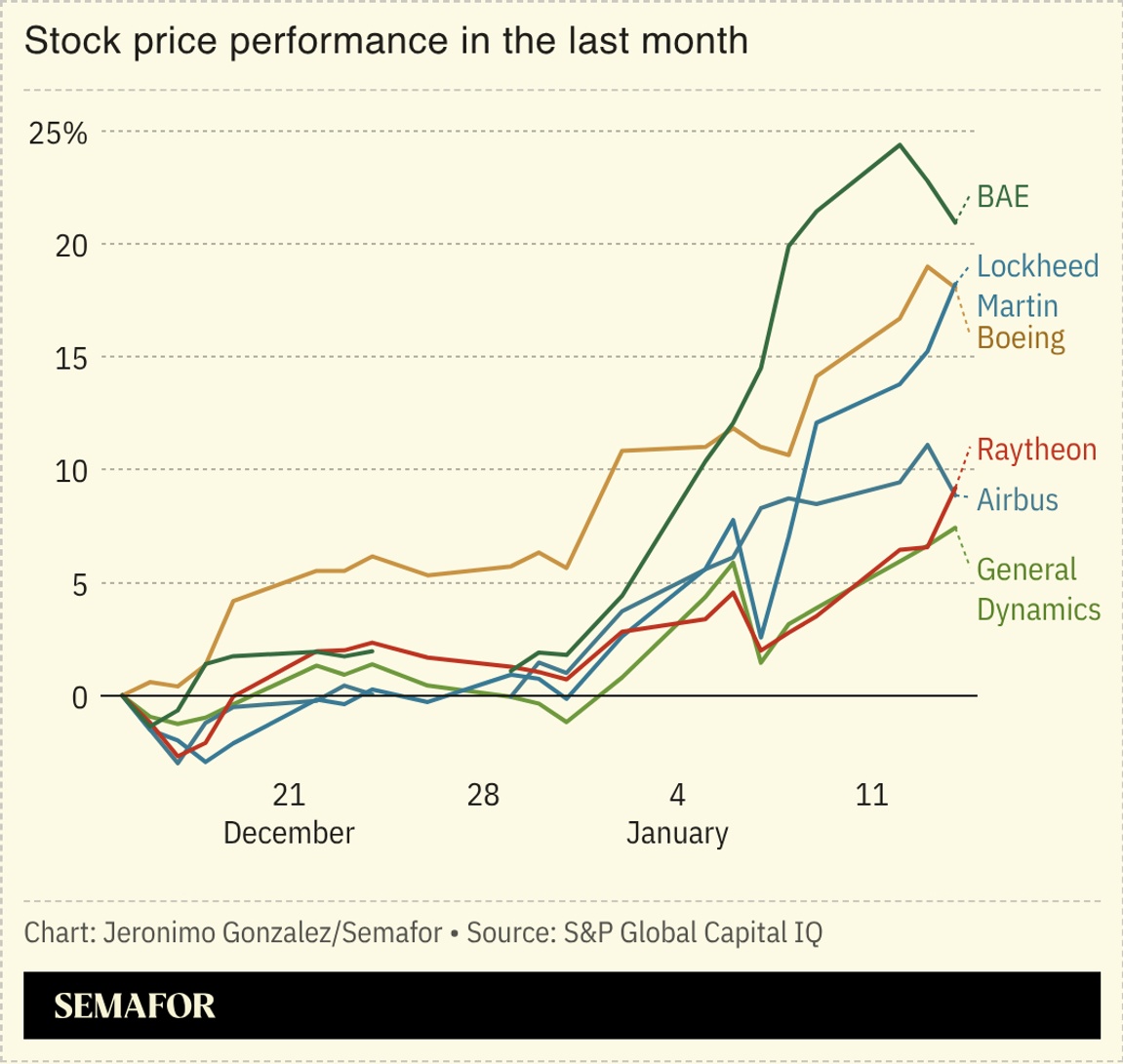 Global defense stocks have soared in recent weeks, with nations racing to boost arms inventories as geopolitical tensions rise. US President Donald Trump’s calls for a more than 50% increase to his country’s military budget have lifted the valuations of domestic firms, with Lockheed Martin rising 15% so far this year. European arms companies have also been buoyed by a growing focus on the continent on defense spending, with the EU set to unveil its own security strategy this year, Euractiv reported. The geopolitical unrest sparked by Washington’s capture of Venezuela’s leader, and Trump’s vows to take control of Greenland, has sent arms manufacturers’ stocks soaring elsewhere, too, with a Korean firm’s market cap jumping by 40% this year. |
|
‘Sell America’ trade returns |
 Brendan McDermid/Reuters Brendan McDermid/ReutersOne of the world’s biggest bond investors said it would pivot away from US assets, in part over the Trump administration’s growing unpredictability. The assault on the Federal Reserve, geopolitical tensions, fast-changing policy priorities, and rapid reversals on issues such as trade policy are driving investor unease. PIMCO’s chief investment officer told the Financial Times that US President Donald Trump is “unpredictable” and that his bond fund needed to counter that with “a multiyear period of some diversification away from US assets.” Citigroup analysts expect that shift to also impact US stocks and the dollar — known as the “Sell America” trade that drove markets in the wake of Trump’s “Liberation Day” tariffs in April. |
|
Japan PM to call snap elections |
 Kim Hong-ji/File Photo/Reuters Kim Hong-ji/File Photo/ReutersJapanese Prime Minister Sanae Takaichi’s expected call for a snap election is likely a bid to convert her personal popularity into electoral success, analysts said. Her Liberal Democratic Party lacks a majority in either house of Parliament and is flagging in the polls, but she has a 76% approval rating. Since taking office in October, her polling has improved in large part thanks to nationalist sentiment fueled by a row with China over her suggestion that Japanese forces could intervene were Beijing to attack Taiwan. She has also benefited from an idiosyncratic approach, playing drums with South Korea’s president this week. But the snap election carries risks: It could delay passage of Japan’s 2026 budget and price-relief measures. |
|
 Get the world in your inbox with the Daily News Brief. Each weekday, this free newsletter curates global news with expert-informed analysis from the Council on Foreign Relations. For more than a century, CFR has guided leaders and citizens alike through moments of profound change. Subscribe today to understand the choices and challenges shaping our world. |
|
Uganda’s predictable election |
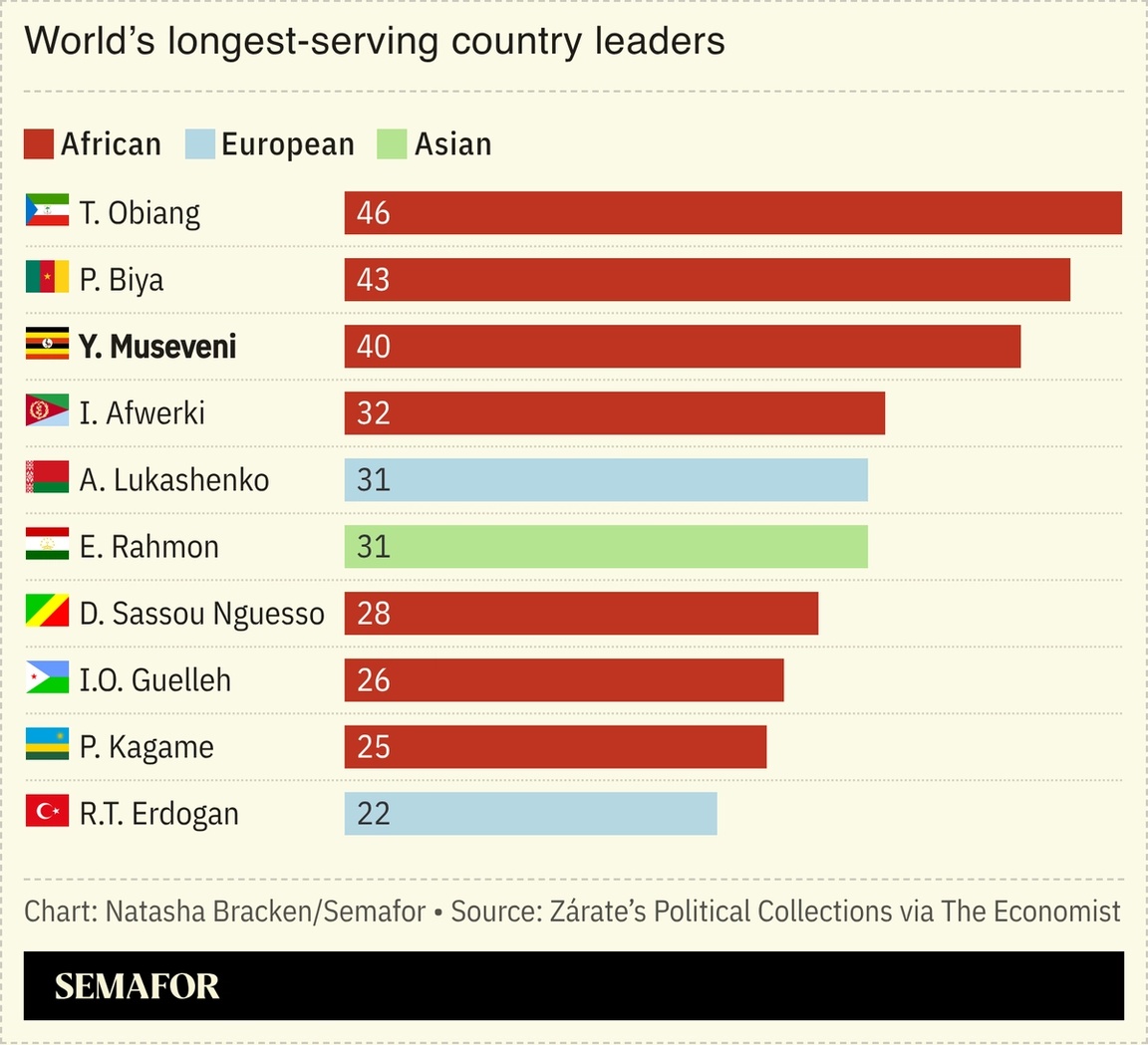 Ugandan President Yoweri Museveni is expected to win reelection in polls today that critics have called a sham. The 81-year-old is aiming for a ninth term in office — including two unelected terms — and has “a genuine track record,” the Ugandan author Charles Onyango-Obbo wrote for Semafor: Since 1986, he has presided over an economic surge that has seen GDP increase 13-fold. But he has also installed relatives in positions of power, and elections “follow a mystical arithmetic”: Elections have ended with Museveni taking more than 90% of the vote and ballots sometimes outnumber registered voters. Rivals, such as opposition leader Bobi Wine, have slammed Museveni’s repression: “Ugandans must not allow another stolen election,” he wrote in the Financial Times. |
|
Beijing’s clean air conundrum |
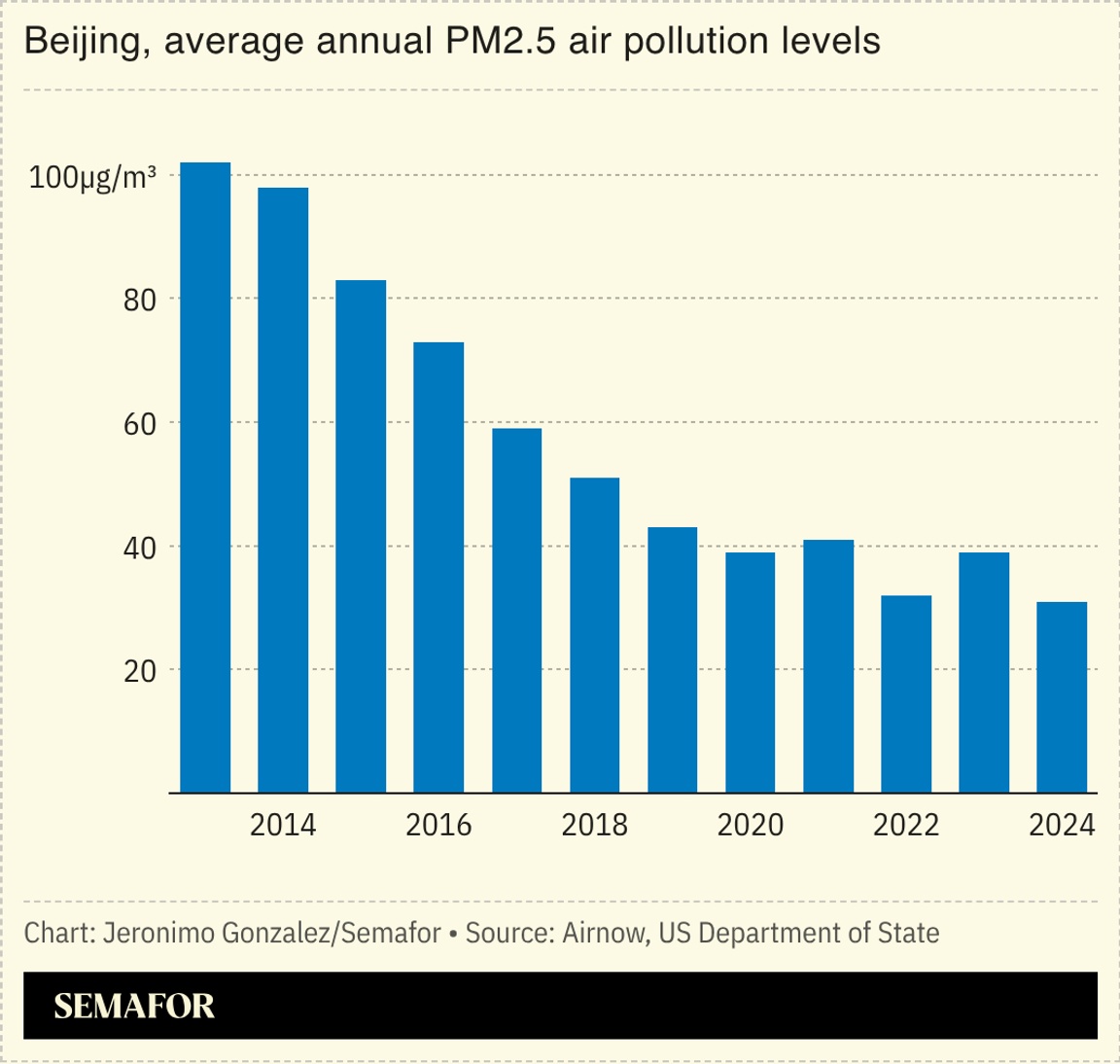 China’s efforts to clean up its cities’ air have worked, but driven energy costs up, leaving some rural areas unable to afford heating as temperatures plummet. Replacing coal with renewables or gas has paid off: Beijing’s air quality was “good to moderate” on 95% of days last year, up from 55% in 2013, authorities say. But energy subsidies to incentivize the move have ended. The cost of heating a home over winter is now more than some elderly couples’ pensions, Pekingnology reported, and villagers are huddling under blankets, or secretly burning firewood. There is an ironic echo of a global story: Improving air quality has actually accelerated global warming, as particulate pollution reflected some of the sun’s heat back into space. |
|
|


