The simultaneous geopolitical flare‑ups in Venezuela, Iran and the Black Sea have created a treacherous environment for investors even as a large supply glut still looms over the market.
Among all these geopolitical risks, the biggest remains Iran, and more specifically the potential for the conflict to threaten flows through the Strait of Hormuz, the narrow waterway near Iran through which nearly 20% of global oil and gas is shipped.
Tehran is unlikely to jump to this “nuclear option”, however, as doing so would cut off its own crude exports and would likely trigger a rapid response from the U.S. and regional states. That was probably the regime’s calculus during last year’s 12‑day Israel‑Iran war.
Still, Iran has other options, such as targeting regional U.S. allies. While Tehran’s strike on a U.S. base in Qatar in June was a non-event met by a drop in oil prices, a repeat now could have a very different impact on the market.
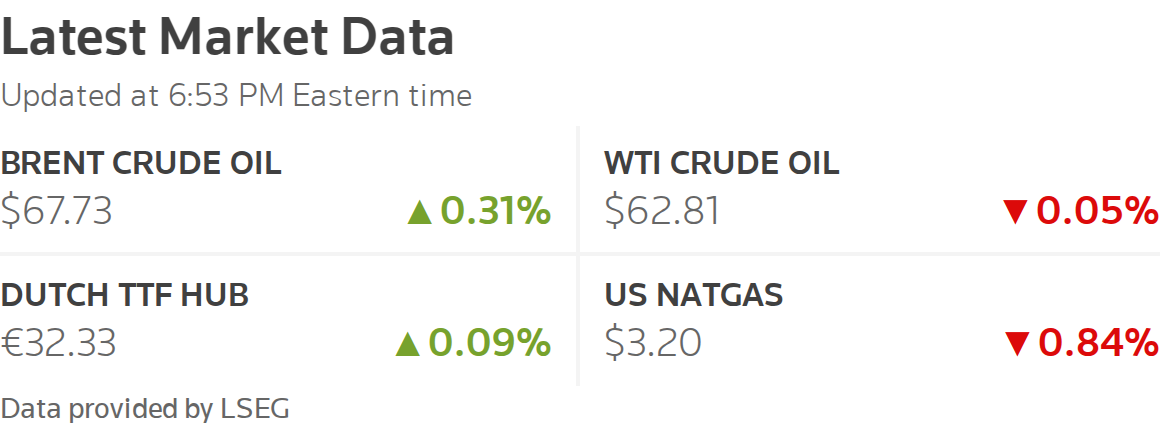
While oil price volatility is notable, prices still remain within the fairly narrow band they have traded in for months. So why hasn’t 2026’s burst of geopolitical tensions caused a more dramatic increase?
Primarily because it is coming just as global crude supplies appear to be rising sharply, threatening to outpace demand in the coming years. The U.S. Energy Information Administration expects, opens new tab global inventories to build by an average of 2.8 million barrels per day in 2026.
To complicate the picture further, the oil price curve implies traders are not anticipating a significant build.