| Welcome, Weekenders! In this newsletter: |
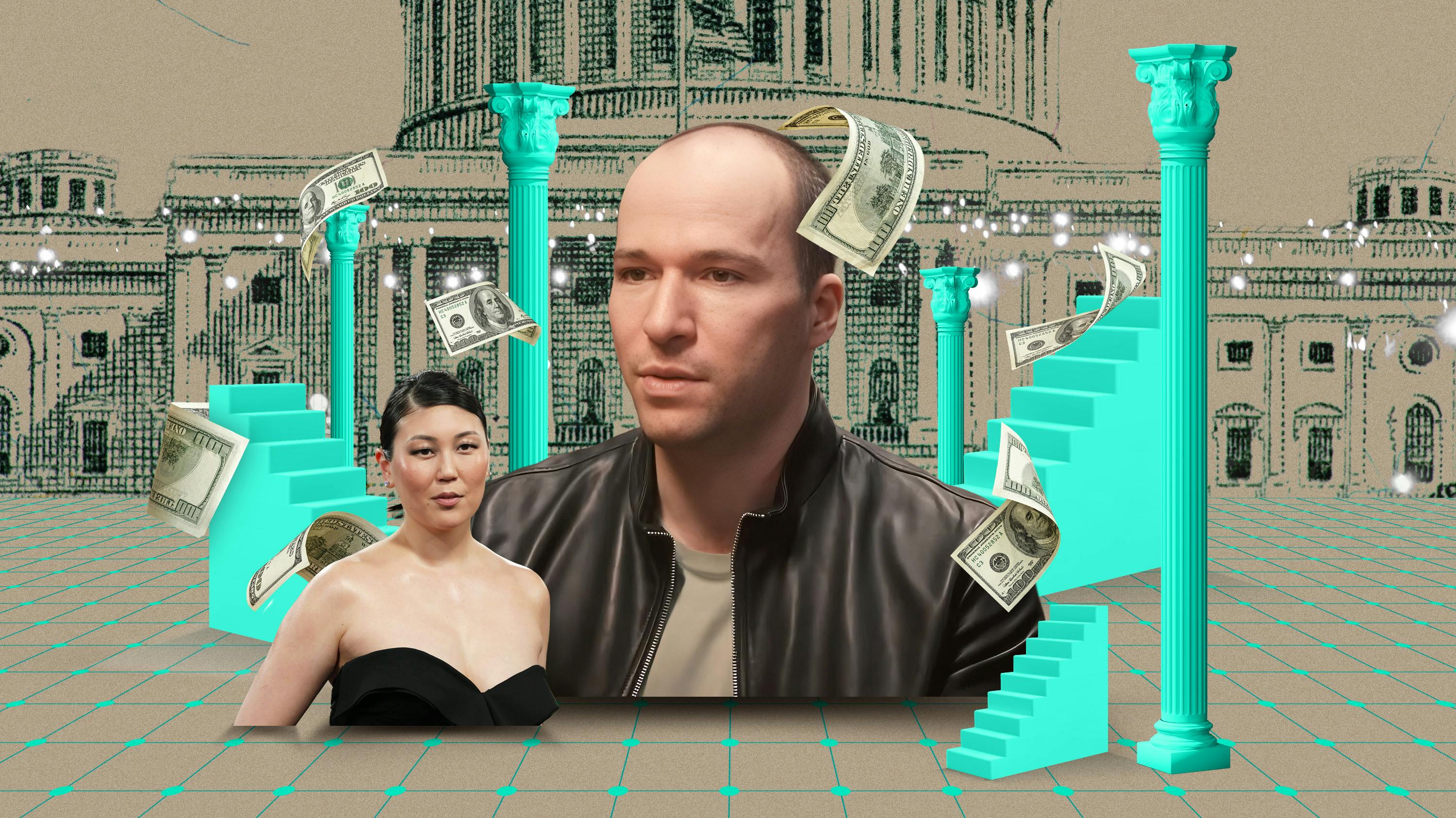
| • The Big Read: How Greg and Anna Brockman became MAGA’s newest megadonors |
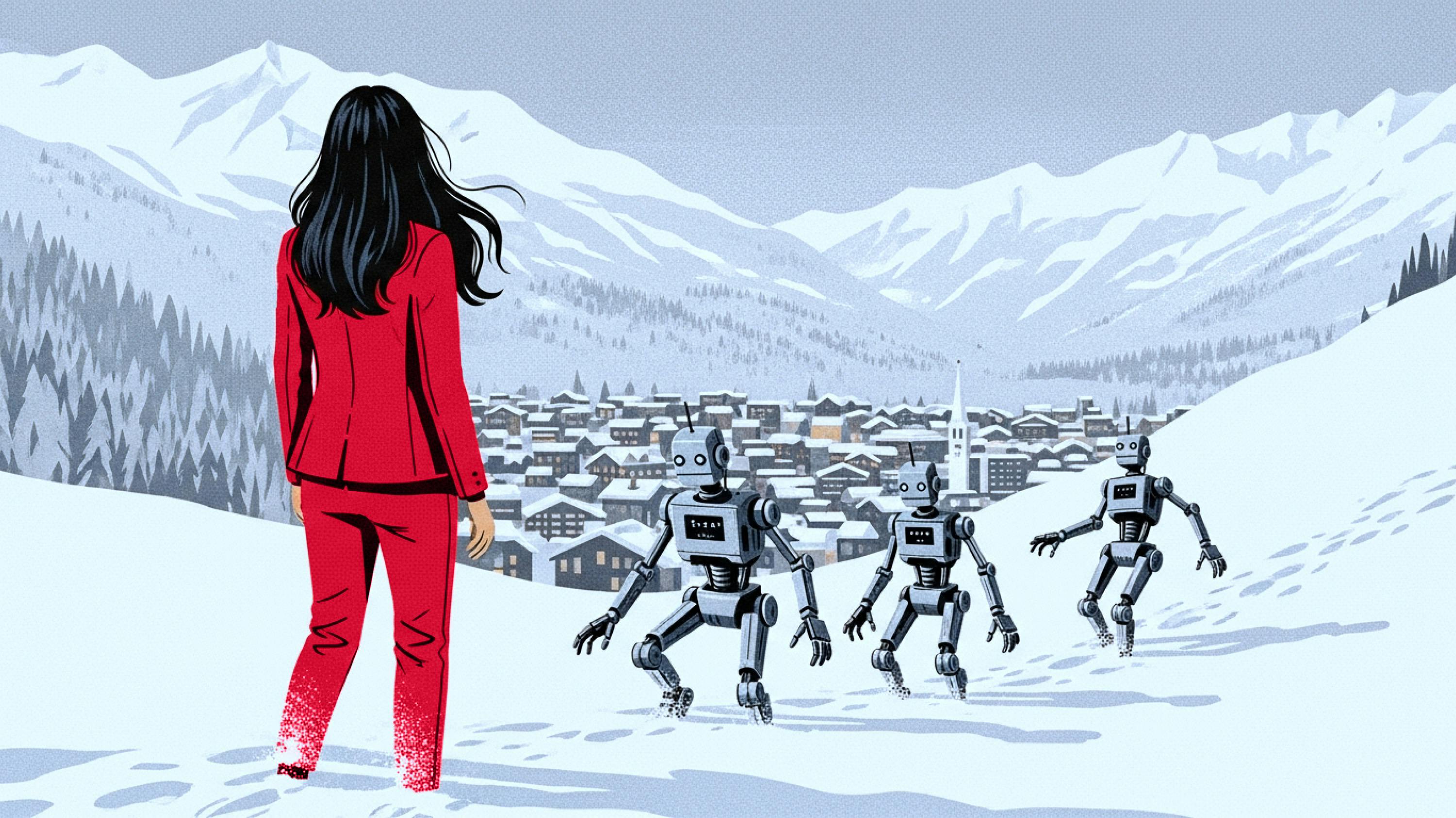
| • The Takeway: When a Davos trip presents a chance to test AI’s limits |
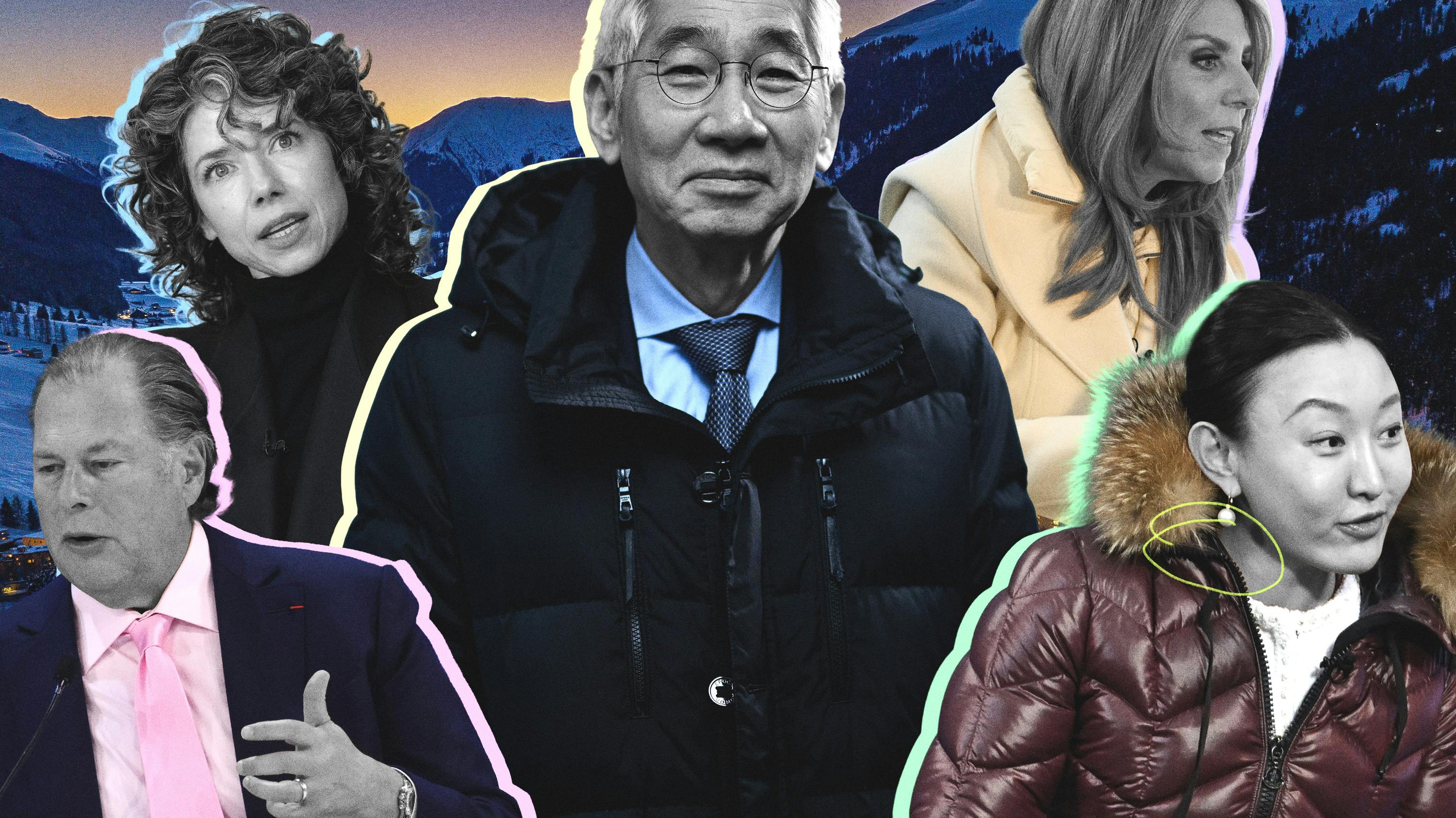
| • The Top 5: The moguls went to Davos—then we went shopping |
| • Plus, Recommendations—our weekly pop culture picks: “Articles of Interest,” “I Deliver Parcels in Beijing” and “The Night Manager” |
| |
| In its life so far, OpenAI has accomplished any number of feats, including the releases of ChatGPT, Dall-E and Sora. Those tools, which craft words, pictures and videos with AI, have catalyzed an unprecedented boom time. |
| Those breakthroughs cast a radiant glow on OpenAI, and steadily, it collected more money faster than any startup ever from everyone who matters in Silicon Valley—never mind that some of its products flout both copyright law and good taste in nearly equal measure. And never mind that OpenAI’s board once spontaneously fired (and quickly rehired) its wunderkind CEO, an event that internally has been rebranded as “The Blip.” (I kid you not—that’s according to our star AI reporter, Stephanie Palazzolo.) |
| For the better part of three years, OpenAI enjoyed an enviable perception of itself. The startup’s rise seemed both predestined and inextinguishable. |
| Recently, though, the grand narrative about OpenAI has slipped out of the company’s hands, and its continued dominance no longer seems assured. For a good moment, I found this turn of events surprising. Later, I had to laugh at myself for falling for an OpenAI ploy, which I’ve come to consider the company’s actual greatest achievement to date: In retrospect, it’s astounding that it managed to convince a lot of people of its invincibility while a pile of evidence mounted showing that it runs on a stream of chaotic energy. On a list of reliable fuels, such a power source would rank near Iranian-refined plutonium. |
| I detected a strong sense of that volatility as I edited this week’s Big Read, which is about OpenAI co-founder Greg Brockman and his wife, Anna. Mostly, the piece delves into their foray into MAGA land and national politics. And there alone, I sense a good amount of chaos: Brockman, apparently, hasn’t ever held any strong political beliefs, and the donations mostly seem like an opportunistic bid to win favor with President Donald Trump, a fella as swayable as a weathervane in gale-force wind. So who knows what Brockman’s money will actually get him and what exactly it may cost him in the long run? |
| Our story does a good job of filling in the rest of the picture around the couple. Some of those details I must’ve known at one point but have since forgotten, like the fact that OpenAI has 11 co-founders. Eleven! Think of that chaos. I have a group chat with my friends that’s about the same size, and often we’re lucky if we can reach consensus on whether to arrive for brunch at 12:30 or 1. God forbid we try to arrive together on a definition of what constitutes humanlike AI. |
| Most of those 11 have left: Brockman and just two other co-founders still remain at OpenAI. I totally get why the others decamped. Chaos can get tiring. I’m very used to making brunch plans for 12 and eventually sitting down at a table for four. As Brockman has stayed, he and OpenAI have weathered plenty of internal strife. In 2024, for example, OpenAI and Brockman agreed he should take a sabbatical; there’d been complaints about his workplace combativeness. Three months later, he returned—shortly after another key executive, Mira Murati, left to begin a rival AI startup, Thinking Machines Lab. Chaos! |
| In the last few days, OpenAI has grasped to retake control of its story. Shortly, it plans to launch ads, which might offer the same type of energy jolt you get from a mouthful of 6-milligram Zyns, and it has installed a new leader to shape the products it will sell to businesses. Meanwhile on X, one executive was complaining about a “narrative violation”—a corporate dog whistle meant to suggest unfair media coverage—regarding the company’s recent growth figures. |
| Will OpenAI recapture its former status quo? I’d like to think we’ve seen enough stories like our Big Read to make us all at least a liiittle bit more skeptical. Then again, all those Sora videos have left reality feeling rather permanently warped. |
| What else from this week… |
| • If even a portion of Jared Kushner’s master plan for redeveloping Gaza happens, I somehow anticipate writing future profiles of Kushner family heirs that attribute their wealth to Mediterranean-front condominiums. |
| • Om Malik, intrepid chronicler of several past tech eras, casts a weary eye on the realities of today: “In a system tuned for speed, authority is ornamental.” |
| • Franken-milk, moon landings—and the 21 other reasons why Wired thinks this century already belongs to China. (According to The New York Times, Donald Trump’s speech at Davos might qualify as yet another.) |
| • Greenoaks Capital and Altimeter Capital are suing the South Korean government over its treatment of Coupang, a Korean e-commerce giant that counts both firms as investors. (Here’s more on what Greenoaks normally gets up to.) |
| • AI’s effects across the labor market aren’t very clear at all. That said, it seems pretty indisputable that it has rapidly altered the hunt for the entry-level job. |
| • A new trailer for the fifth season of “For All Mankind” has dropped. Elsewhere in Hollywood, Riz Ahmed’s dark comedy series about an actor who tries to get cast as James Bond, “Bait,” may just be the most enjoyable piece of Bond content in years. |
| • America wants “to break up with the calorie,” the Times repo—and dammit, I’ve just crumbled a cookies-and-cream protein bar all over my keyboard. |
| • Vintage watch collecting has gotten cool and vibey, says The Economist—and just a touch problematic for some buyers. “Really, we’re addicts,” one collector admits. “Just instead of being addicted to alcohol or cigarettes or drugs, we’re addicted to the chase of acquiring a new watch.”—Abram Brown |
|
|
|
|
 |
|
| I’ve already talked up this report from our Jemima McEvoy, Stephanie Palazzolo and Sylvia Varnham O’Regan quite a bit, so I will only add that it is a compelling reflection of what happens when Silicon Valley realizes Washington is up for sale like never before. |
|
 |
|
| Our Jessica Lessin, The Information’s founder and editor in chief, had a very busy past few days in Davos, Switzerland, the annual power conclave that attracts enough politicos and moguls to fill a mountainside of chalets. AI was the talk of that town this year, and as Jessica began thinking about everything she’d learned from cruising around those snowy corridors of power, she found an opportunity to experiment with a buzzy piece of AI: Anthropic’s Claude Cowork. |
|
 |
|
| To do right by Davos, the masters of the universe go dressed to impress. Esther Achara, a returning contributor to Weekend and a veteran of places like Vogue and Glamour, has scrutinized what everyone had on and used it to inspire for some shoppable advice on what to buy this season. As Esther firmly instructs in her piece: Cold and chic can find a warm embrace. |
| Abram Brown is the editor of The Information's Weekend section. You can reach him at abe@theinformation.com or find him on X. |
| |
 |
| Listening: “ |