|
|
| If you’re part of the 20% of U.S. adults who live with gastroesophageal reflux disease (GERD), in which heartburn symptoms are a regular occurrence, your quality of life may be greatly impacted. In addition to medications, you can make some lifestyle changes that may ease your discomfort. Below, Kirsten Seele, a registered dietitian at Healthline, tells us more.
|
|
|
|
|
|
|
Hope this helps!
Ginger Wojcik
Newsletter Editor, Healthline |
 |
|
Written by Ginger Wojcik
January 27, 2026 • 2.5 min read |
|
|
|
 |
|
|
| Q: |
What foods actually cause acid reflux? |
|
| A: |
Acid reflux can occur in anyone from time to time. It involves the lower esophageal sphincter, which, when working properly, prevents stomach contents from traveling back into the esophagus. When this sphincter isn’t functioning properly (which can happen for several reasons), you may experience heartburn. If you have symptoms of acid reflux regularly, you may want to see a doctor for GERD, a more chronic (long-term) condition.
When considering dietary and lifestyle changes, I highly recommend keeping a food diary to track trigger foods and identify potential changes that may lead to successful management. In general, these changes will affect stomach acid production or the functioning of the lower esophageal sphincter.
High fat foods tend to relax the sphincter, increasing the chance of stomach acid to backflow into the esophagus. Therefore, it’s best to avoid high fat meats and dairy products, and minimize fried and greasy foods. Also, be mindful of seasonings that could trigger symptoms (cayenne, garlic powder, etc.) and include unsaturated fats, such as avocados and olive oil, in moderation.
Other common triggers include:
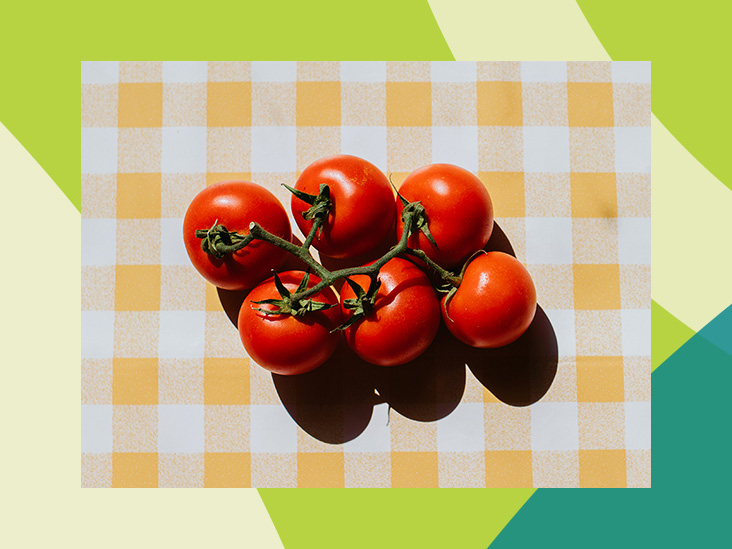
- citrus fruits and tomato products
- chocolate
- spicy foods
- garlic and onions
- mint flavorings
- alcohol, caffeine, and carbonated beverages
In general, lower fat foods can minimize the chance of symptoms. So, opt for lean meats, low fat dairy products, vegetables, noncitrus fruits, such as grapes, bananas, watermelon, and whole grains.
Also, try to eat slowly to minimize overeating. When you’re too full, it can put pressure on your lower esophageal sphincter, which can cause acid to come back up. Stay upright for a couple of hours after eating to help your body fully digest your food!
|
|
|
|
| Kirsten Seele, Registered Dietitian
|
|
| Want to learn more about food, diets, cooking, or some other nutrition subject? Let us know at nutritionedition@healthline.com and we'll look into it for you! (Heads up, we may use your response in an upcoming newsletter.)
|
|
|
|
|
|
|
| What we’re digesting |
| |