(Fabrice Coffrini/Getty Images) |
|
|
We’ve done “dry January” many times. We’ve done “veganuary” once. But this year, more Americans than ever seem to be trying “no spend January,” with searches for the challenge hitting an all-time high. Now the goal isn’t to spend absolutely nothing (rent, food, etc. are allowed), but we still don’t know if we’d be able to go 31 days straight without a single “fun” purchase.
The S&P 500, Nasdaq 100, and Russell 2000 all gained ahead of today’s earnings from Meta, Microsoft, and Tesla. Investors were unfazed by the lowest consumer confidence reading since 2014. While tech was the best-performing sector, healthcare was the worst, as the Trump administration proposed flat rates for Medicare insurers, sinking a bevy of healthcare stocks.
|
|
|
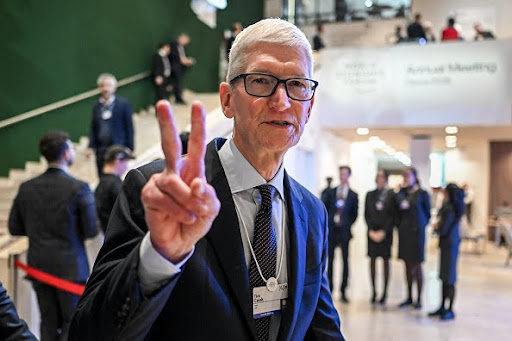
- Ahead of the iPhone maker’s earnings report on Thursday, Jacobson recommends a call spread trade in Apple that offers exposure to a long-lived positive reaction to the company’s quarterly results and commentary.
-
Apple is aiming to beef up its AI presence in 2026 after a host of management changes late last year, and is reportedly exploring the possibility of a wearable AI pin.
-
The company seemingly has a solid base from which to innovate, with its now world-leading smartphone market share and its Services business supported by the 850 million weekly App Store users it counted at the end of 2025.
|
Jacob’s proposed trade was (1) buy Apple calls with a strike price of $262.50 that expire on February 20, and then (2) sell the same amount of Apple calls with a strike price of $285 and the same expiry. When Jacobson initially made this recommendation in an email to clients, the trade could be put on for about $3.95; as of Monday’s close, that had risen to about $4.27. |
|
|
“What I particularly like about the setup for AAPL into earnings this quarter is the sharp pullback in the stock on both an absolute and relative basis heading into the report later this week,” he wrote. “Not only did we see a nearly 16% decline from the December (all-time) highs but shares also underperformed the market (SPX) by over 14% over that time. Now that the stock has already moved lower and underperformed, perhaps we can see a meaningful rebound once they report earnings?”
|
|
|
From Airline to Next-Gen Platform: This Company is Positioning Itself for the Future of Air Mobility |
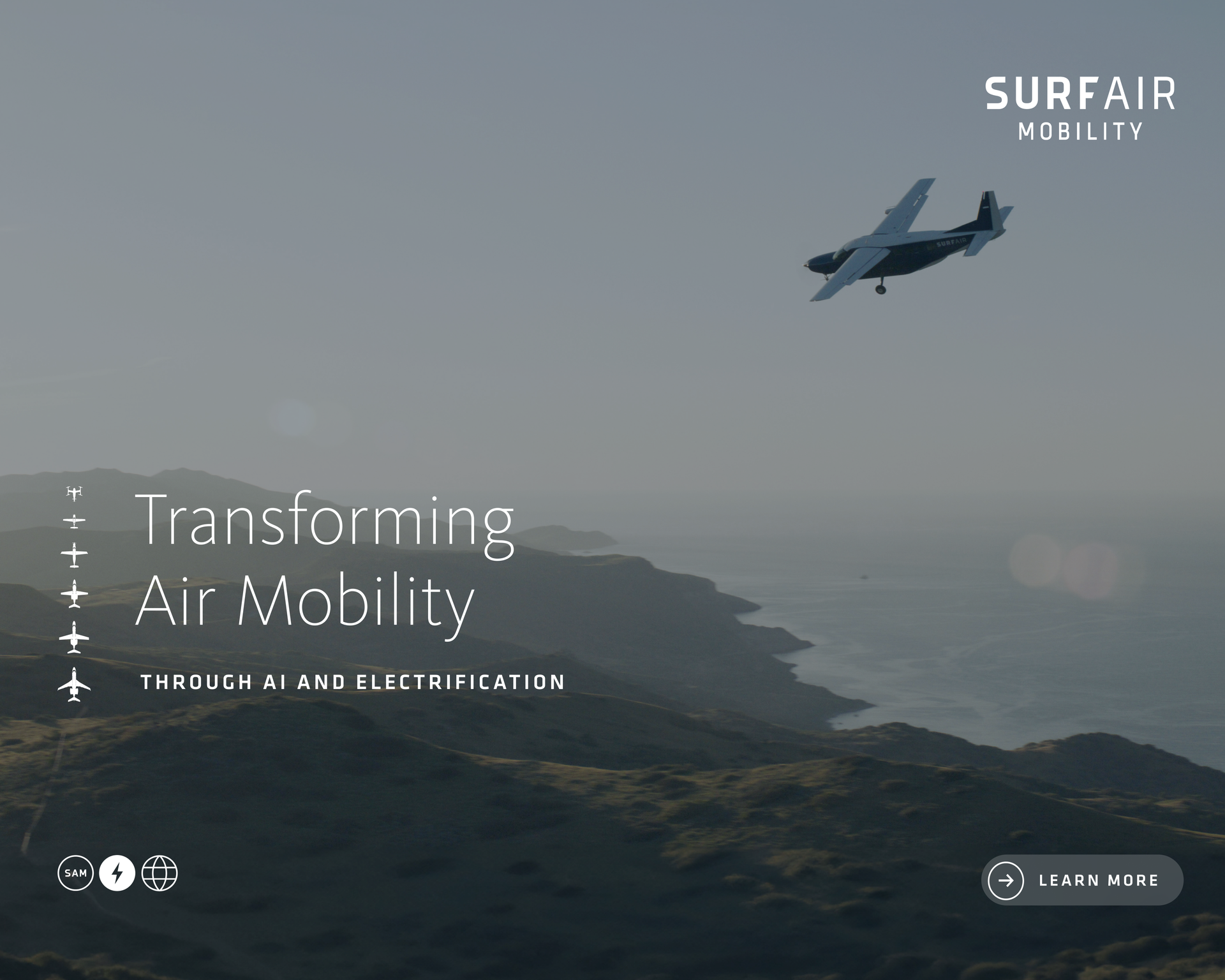
Surf Air Mobility (NYSE: SRFM) is building the infrastructure to help unlock growth in the private aviation and air mobility industries.
Their AI-enabled software, SurfOS, is designed to integrate the ecosystem under one unified operating layer. Deployed within SRFM's own operations, SurfOS is helping deliver measurable results in its core businesses, including a 75% increase in platform transactions¹ and 197% increase in bookings per broker¹ in its on-demand business. Surf Air Mobility is preparing to launch SurfOS commercially in 2026. Powered by Palantir's AI and data platform, SurfOS aims to set a new standard for intelligent aviation software and scale its impact across the private aviation and air mobility industries.
Moreover, SRFM is positioning its Mokulele Airlines Hawaii network of short inter-island routes as an ideal proving ground for next-generation Advanced Air Mobility. Discover more about SRFM.² |
|
|
It’s late, the weather is bad, and so the moment comes when we pull up our ride-share apps and ponder why the costs are so different and if it’s worth it to wait to save a few bucks.
It turns out we’re not alone: costs and wait time are the two most important considerations for customers surveyed by ride-share comparison app Obi, which also found some interesting data on who is ahead in each race: |
- The average price of a Tesla Robotaxi ride in the San Francisco Bay Area late last year was $8.17 — about half the cost of comparable routes with Lyft, Uber, or Google’s driverless Waymo.
-
However, wait times for Tesla’s Robotaxis, which operate in the Bay Area with a driver, are roughly 3x to 5x longer than those of competing services.
-
As was the case with Uber and Lyft in their early days, Tesla’s low prices appear aimed more at attracting customers than turning a profit. Robotaxi prices initially launched at $4.20 (ha!) before rising to $6.90 (ha ha!) and then transitioning to industry-standard dynamic pricing.
-
Meanwhile, Waymo’s wait times outside of peak demand have fallen and are now often comparable to Uber and Lyft. At the same time, the 30% to 40% price premium Waymo once commanded over traditional ride-hailers has narrowed significantly.
|
|
|
Tesla’s long wait times stem largely from its small fleet, which has ramped up far more slowly than the company promised. During the study period, just over 100 Tesla Robotaxis were in service in the Bay Area; today that number is closer to 170 — well short of CEO Elon Musk’s most recent pledge to deploy 1,000 vehicles in the region by the end of 2025.
Analyst Dan Ives predicts that Tesla is on the cusp of a Robotaxi-driven transformation, and Full Self-Driving penetration will rise to 50% from its current 12%, but the mechanics of how that mechanical revolution will happen aren’t clear.
|
|
|
Chinese startup DeepSeek shook the AI world in January 2025 with the release of its DeepSeek-R1 model, sinking the AI trade and wiping out $1 trillion in market value. Execs and investors questioned the need for Nvidia’s latest GPUs and the hundreds of billions of dollars being spent on bigger and bigger data centers. Things looked scary… but only for a short while as Big Tech adapted.
|
|
|
|