|
Hey A,
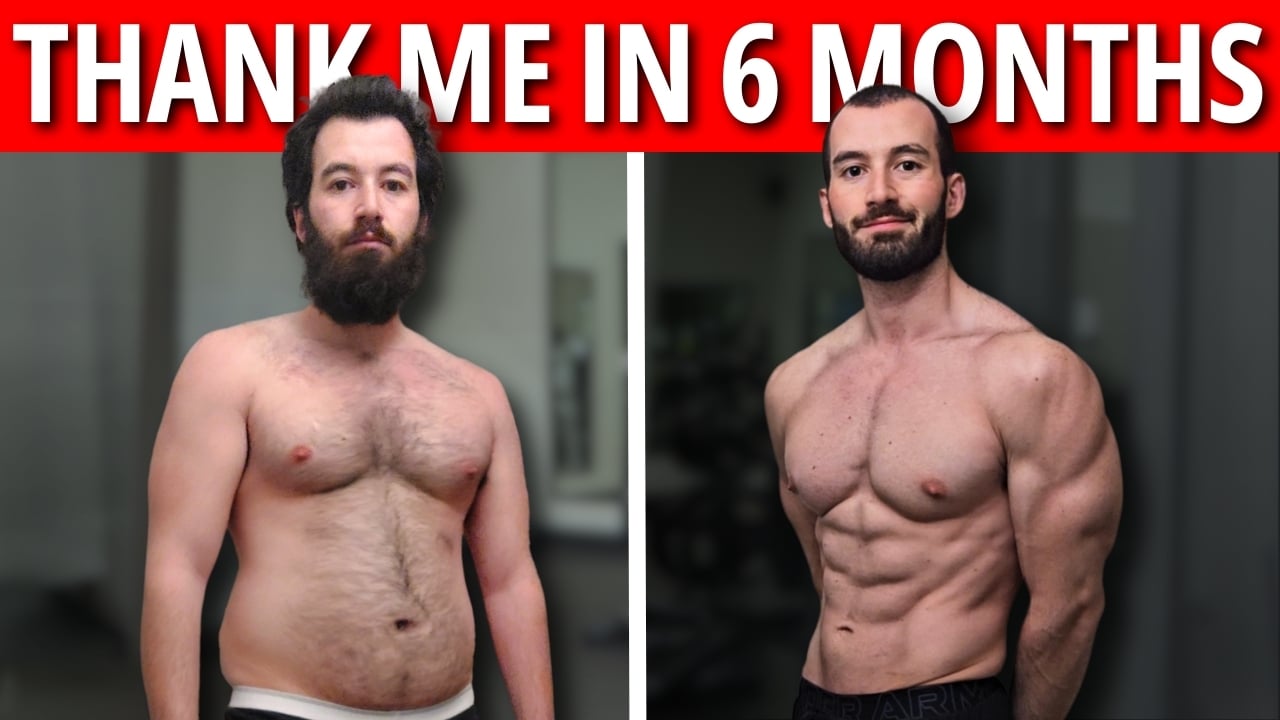
Over the last year, we worked with a ton of people who lost a ton of fat, saw their abs for the first time, and got healthy for the first time in years.
But for many of them, tracking calories had never worked:
-
It was too complicated
-
Or too time consuming
-
The scale stayed stuck
So they threw in the towel with food logging (because it wasn't worth the effort) and gave up on losing fat.
If this sounds familiar, it's not just you…
It's MOST people who want to lose body fat.
Here's how it usually goes:
You decide that you want to get lean for the summer, or because your doctor told you something, or you just saw a picture of yourself and wanted to change.
So you search YouTube, Reddit, and Google - okay, I need a calorie deficit.
But once you start actually logging your food, it's a nightmare. Confusing. Annoying.
Then you forget to do it one day, and the whole thing gets scrapped.
Another year goes by...
After working with 1000s of guys and gals, these are the strategies I use to avoid those problems in the first place:
1. Ignore Everything Else
When you hear fat loss and nutrition, you probably start thinking about carbs, organic food, fasting, blood sugar, and all these buzzwords.
Ignore it all.
The only way anyone has ever lost fat (outside of having it chopped off on an operating table) was by eating fewer calories than they burn each day.
None of that other stuff really matters. It usually just makes this whole process feel more complicated and more difficult to actually stick with.
Your PRIMARY focus when it comes to losing fat, is working on changing the behaviors and building the habits that help you reduce your calorie intake.
But Matteo - what about carbs and fat ratios? What about eating late at night? What about this supplement? What about hydration? Micronutrients?
Stop it. You have no business worrying about any of that right now.
You’re putting a spoiler on a car that has no wheels.
You have a limited amount of time, and effort you can put into fitness. You have family, work obligations, and a life. If you waste that precious energy on low priority things that don’t move the needle, you’ll give up.
Calories are your number 1 focus. Protein for bonus points.
If you can keep track of which foods you eat, and what amounts, fat loss is going to happen every single day.
2a. Track as you eat
Finish your meal. Open up your app.
Enter exactly what you had straight away.
You're likely to miss something if you try to remember what you had for lunch. Which means you eat more calories than you think.
You want to know before your next meal how many calories you have left.
2b. Pre-track
You can plan ahead.
If you know you’re going to have 400g of greek yogurt with one apple, one banana, and some cream in your coffee tomorrow morning, just track it the day before.
You can do the same thing with your lunch, dinner, and any snacks you plan to have.
That way when it’s time to eat, there’s no guesswork or decision fatigue.
You just show up, and eat what's on the plan.
3. Use a food scale
People tell me that food tracking doesn’t work for them.
I ask - so how many calories were you eating?
They always say something ridiculous like 1500.
I know instantly that person was dramatically underestimating how much they were eating.
Eyeballing portion sizes. Or using a cup measure instead of a food scale.
The best 20 dollars you could ever spend on weight loss is a food scale.
It makes it so you know exactly how much you’re eating at every meal. That way you don’t go 2 or 3 weeks while tracking your food without losing any weight.
That's just the fat loss side of the equation though.
In yesterday's video, I break down the full system I've used to go from 30% to 15% body fat including:
-
How to build visible muscle
-
Setting your weekly schedule
-
And actually sticking with it long enough to see results
You can check it out here:
|