Replenishing underground storage has become a central feature of Europe's gas market - and by extension, the international liquefied natural gas (LNG) market - ever since Russian pipeline flows collapsed following Moscow’s invasion of Ukraine nearly four years ago.
European gas storage dropped to 44% of total capacity on January 26, according to European energy data platform AGSI. That is the lowest level for this time of the year since 2022, when it hit 40% as the market scrambled to replace Russian supplies, and it is well below the 10-year average of 58%.
And if current trends persist, storage could plunge to 30% or lower by the end of March, based on Reuters analysis of historic data.
If Europe ends winter with storage only 30% full, about 60 billion cubic metres (bcm) of gas will need to be injected to return stocks to 83% - the level at which the region entered last winter.
The good news is that Europe should be able to ramp up its already enormous LNG purchases. The chilled fuel has played a pivotal role in Europe’s gas market in recent years. Indeed the continent’s LNG imports last year soared 30% to hit an all-time high of over 175 bcm.
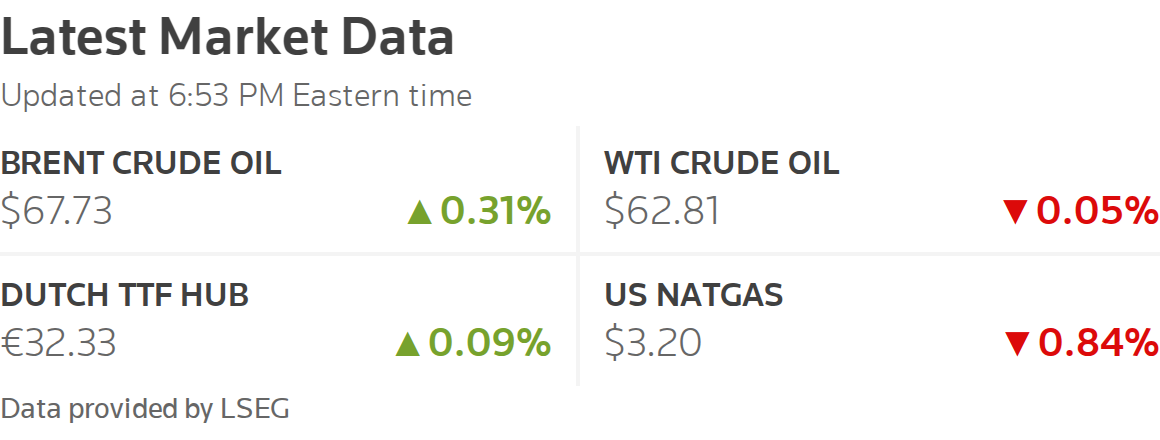
In the meantime, however, current benchmark European gas prices are complicating the task of refilling stocks.
Summer TTF futures are trading at a premium to winter prices – the opposite of the pattern needed to make storage profitable. Winter prices must exceed summer prices enough to justify storage and extraction costs. Today’s so-called backwardation removes that incentive.