Minnesota crisis prompts Trump retreat

Get full access to Reuters.com for just $1/week. Subscribe now.


Politics U.S.

Politics U.S.


By Trevor Hunnicutt, White House Correspondent 

Tensions are high in Minneapolis after the killing of an intensive care nurse by immigration agents. President Donald Trump has pledged to "de-escalate a little bit" in the city. His retreat from aggressive immigration tactics possibly reflects a recognition that they could hurt his Republican Party’s electoral hopes come November. 


Latest U.S. politics headlines

  • In six violent encounters, evidence contradicts Trump immigration officials' narratives 
  • Immigration helped Trump win the White House - now tactics could hurt Republicans in midterms 
  • Exclusive: White House set to meet with banks, crypto companies to broker legislation compromise 
  • Exclusive: US conditions funding to global vaccine group on dropping mercury-based preservative from shots 
  • Trump touts 'Trump accounts' for babies as part of affordability pitch 
 

Fire and Ice

A series of gunshots may have just changed the course of the Trump administration. 

The shots fired by federal immigration agents in Minneapolis killed 37-year-old Alex Pretti on Saturday. They immediately plunged the Trump administration into a political crisis, shattering its once-unified approach on immigration, the issue that has defined Trump’s decade dominating the U.S. political conversation. 

Within days, the government offered contradicting appraisals of the shooting itself, the investigation, the causes of increasing tension in Minneapolis and the victim’s right to carry a firearm. It was the second killing of a U.S. citizen in the city in two weeks by federal officers during the immigration crackdown. 

Trump disagreed publicly with his aides, shook up the leadership on the ground, sidelined an ally of U.S. Homeland Secretary Kristi Noem, pushed a more targeted approach to the deployment of immigration agents in Minnesota and softened his stance on local Democratic officials, at least briefly. ICE officers in Minnesota were directed on Wednesday to avoid engaging with "agitators" as they carry out the immigration crackdown, according to internal guidance reviewed by Reuters. 

It was a rare example of the administration backing down from a fight. When Trump spoke with me and other reporters at the White House this week, he contradicted his aide Stephen Miller, who initially called Pretti a “domestic terrorist.” 

Trump allies tell us he spent the weekend huddling with advisers to figure out how to recalibrate his approach to immigration amid polling showing that many Americans are uneasy with the hardline tactics. This as the president’s public assessments of Republicans’ midterm congressional election prospects have grown bleaker. 

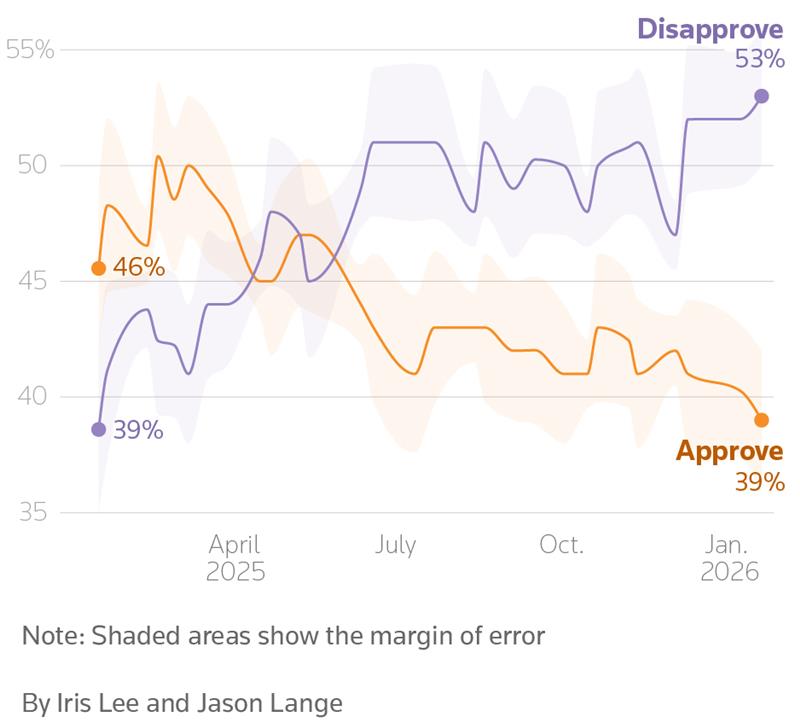
In 2024, voters embraced Trump’s promises to deport immigrants who committed crimes. However, they did not give his government a mandate to pursue this goal at any cost, especially with U.S. citizens and peaceful protesters caught in the crossfire. Shortly after Trump took office, half of voters approved of his immigration policies. Now, just 39% of Americans do, according to Reuters/Ipsos polling. 

Trump is not backing down from his hardline immigration policy. He has made a tactical retreat. Whether that improves his polling numbers remains to be seen.


What Americans think about Trump's handling of immigration


Reuters/Ipsos polls gather responses from adults nationwide

Follow Reuters/Ipsos polling on the president's approval ratings here.


The view from Beijing

With Trump focused on political problems at home, China extended an olive branch to key U.S. allies: Canada and the United Kingdom. 

Both countries’ leaders visited China this month – for the first time in years - to mend ties. They want to keep Beijing close at a time when Trump’s intentions on tariffs, Greenland and Ukraine aren’t clear. Canada even struck a trade deal with China. 

Trump isn’t exactly happy. After he told reporters at the White House that the Canada-China deal made sense, he flipped and threatened tariffs on Canada over the agreement. 

It’s not the only mega-deal struck without the U.S. in recent days. The European Union just reached trade agreements with India and South American countries.


Photo of the week


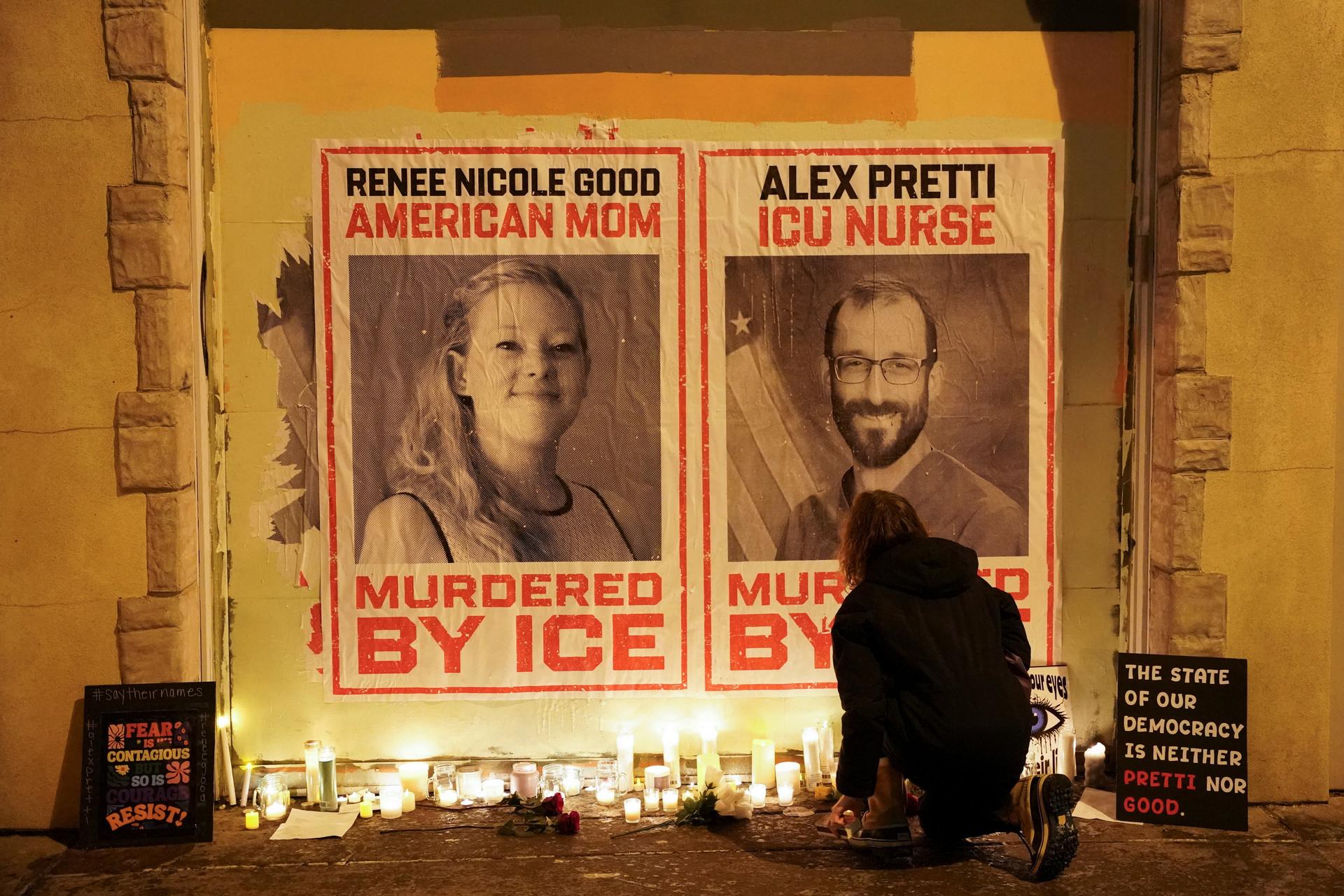
A person kneels near posters with images of Renee Nicole Good and Alex Pretti, after they were fatally shot in two separate incidents by federal immigration agents, following a vigil in Minneapolis, Minnesota, U.S., January 28, 2026. REUTERS/Seth Herald