|
 |
When AI Becomes the Search Interface, Structure Becomes the Advantage
The case for semantically enriched, machine-processable DITA in an AI answer economy
|

| |||||||||||||||


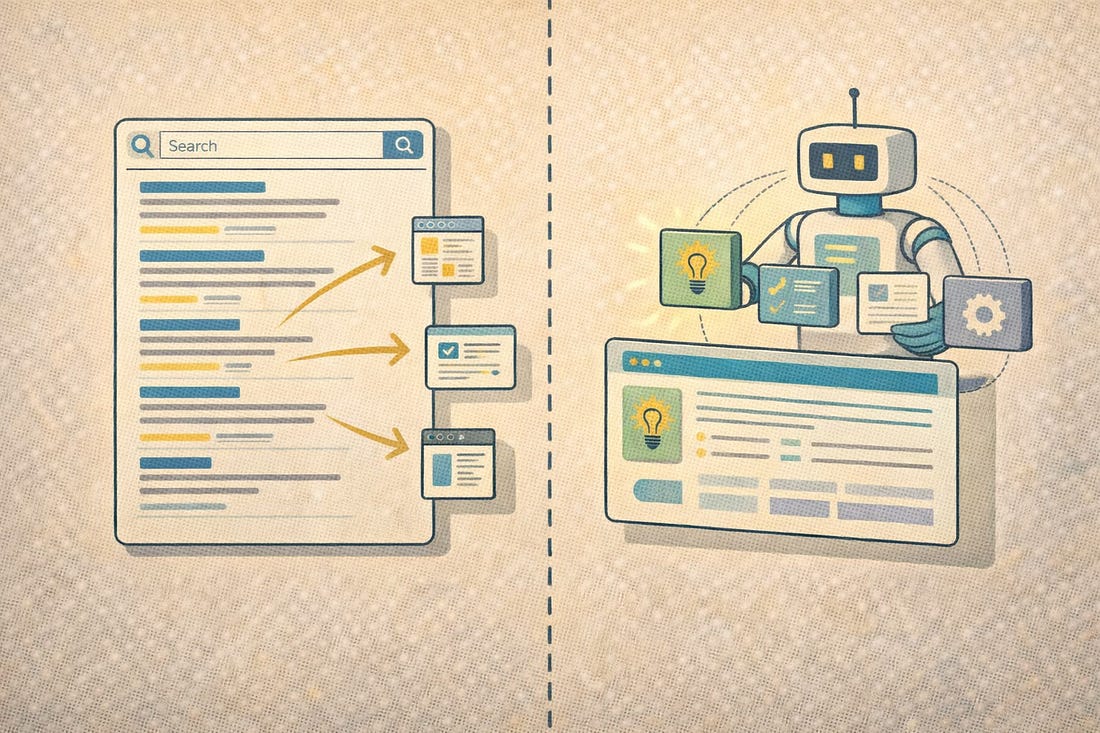
Search is no longer about links
Technical writers are watching the same shift everyone else is watching: search engines are turning into AI-driven answer engines. Instead of sending users to web pages or help sites, these systems increasingly synthesize and deliver answers directly inside search results pages and chat interfaces.
 |
For publishers who depend on referral traffic 📈, this raises alarms. For technical writers, it raises a different — and potentially more interesting — question:
If AI systems are now the primary readers of our content, are we writing in a way machines can actually understand?
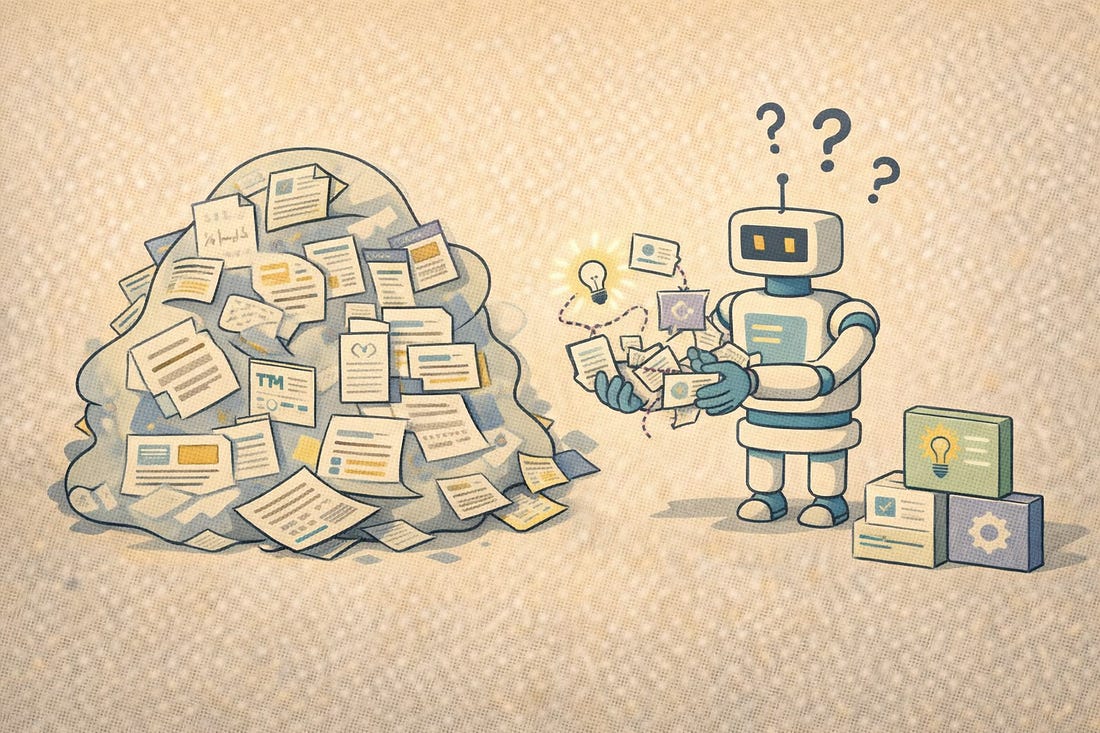 |
Uncomfortable Truth: AI Can’t Make Sense of Unstructured Content Blobs
Large language models perform best when they can identify intent, scope, constraints, and relationships. Unstructured prose forces them to guess. That guessing shows up as hallucinations, incomplete answers, or advice taken out of context.
👉🏾 PDFs, long HTML pages, and loosely structured markdown were designed for human reading, not machine reasoning.
They obscure:
What task the user is trying to complete
Which product version applies
What prerequisites or warnings matter
Whether an instruction is conceptual guidance or procedural truth
When AI search engines ingest this kind of content, they flatten it. The result they provide may sound fluent, but it’s dangerously lacking in the precision department...
