| | In this edition, Elon Musk’s megamerger is an ambitious moonshot, but the right direction. And why O͏ ͏ ͏ ͏ ͏ ͏ |
| |  | Technology |  |
| |
|
 - Your friendly robot
- OpenAI’s drug deal
- Software stocks tank
- AI’s influence on influencers
- Designing websites for bots
 What the merger of SpaceX and xAI means for the future of Big Tech, and AI takes over Super Bowl ads. |
|
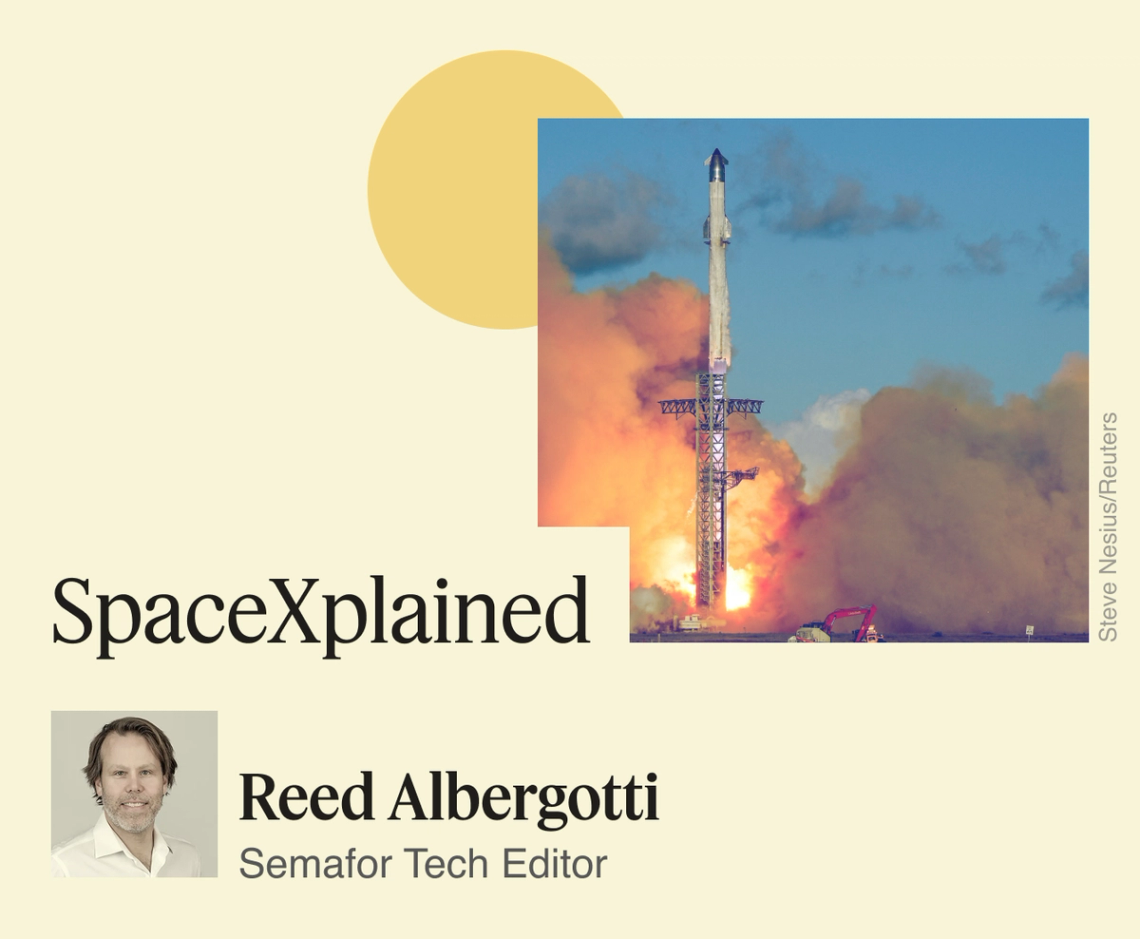 It’s been clear since the early days of xAI that Elon Musk’s empire of companies would soon become one big conglomerate (we wrote about that inevitability in 2024). But Musk’s announcement that SpaceX would buy xAI isn’t just a story about Musk and his wild ambition of making humanity interplanetary. When SpaceX and Tesla finally merge (which won’t happen until SpaceX goes public), we’ll be witnessing the natural evolution of Big Tech, from primarily software-based companies to extraterrestrial industrial giants. Call them EIGs. Already, being a player in Big Tech means pushing the limits of AI while overseeing the world’s most ambitious energy production projects. Inevitably, the biggest energy, mining, and manufacturing projects will move off the Earth’s surface, where solar energy is available 24/7. Of course, we don’t really need to go to space. It would be cheaper to burn coal, oil, and gas basically forever, while stripmining previous metals all over the planet. But for today’s industrialists, that game is no longer fun, and space is finally beginning to look doable. The question is how long this transition will take. The answer has as much to do with robots as rockets. Tesla is now an automation company, and robots could be as critical for this project as reusable rockets. But humanoid robots with dexterous hands and an ability to handle zero gravity could be a long way off. A good rule of thumb when it comes to Musk is right call, wrong clock: He tends to be right on monumental shifts in technology — online banking, solar panels, electric vehicles, reusable rockets, big AI models — but extremely aggressive on the timelines. And that strategy has worked well. By laying out his next big bet, Musk’s essentially daring every other big tech company to call his bluff. |
|
 Courtesy of Fourier Courtesy of FourierMusk’s Optimus robots have been spotted handing out candy in New York City’s Times Square and serving popcorn at the billionaire’s Tesla-inspired diner. But the faceless, industrial robot isn’t exactly disarming. Trying to change that are companies like Texas-based Apptronik and China’s Fourier, which are designing a new generation of humanoids with approachability in mind, Semafor’s Rachyl Jones reports. In a bid to engender connections between humans and the bots, companies are designing robots with more emotive eyes, smiles, and subtler features intended to evoke feelings of warmth and positivity. “If people continue to fear them, they’re not going to embrace the robots,” said Jeff Cardenas, CEO of Apptronik. The company’s latest robot, called Apollo, has a flat face with two cameras for eyes. Instead of a mouth, a screen delivers information, and a brain-shaped cutout through the center of the head serves to cool the compute inside. Anthropomorphizing “is something we naturally do, and you have to lean in,” he said. “If not, the robots will feel cold.” |
|
Why OpenAI’s drug royalties won’t work |
| |  | Reed Albergotti |
| |
 Ken Cedeno/Reuters Ken Cedeno/ReutersOpenAI executives, including Sam Altman and Chief Financial Officer Sarah Friar, have been floating a new revenue-generation idea lately: Give away OpenAI’s software for free to biotech companies in exchange for royalties on any drugs they might develop. It’s not going to work. Biotech companies are doing a lot of innovative things with AI, including drug discovery. You can essentially ask AI to come up with candidates for potential drugs that likely won’t be toxic to humans, and AI can generate lots of them. In phase 1 drug trials, which test drugs for safety, these AI-created drugs are generally more successful than traditional, human-generated candidates. But they aren’t actually any more likely to reach FDA approval than the old kind of drugs. In other words, drug discovery is not actually the bottleneck in medicine. Trials are. There’s a term for this: Eroom’s Law (Moore’s Law spelled backwards). The cost of drug trials keeps going up, while success rates are going down. The problem is the AI models that help come up with drug candidates are still very inaccurate, largely because the data used to train these models is sparse and incomplete. We still don’t know why cells do what they do, or why proteins move the way they move. AI could also help run clinical drug trials, bringing down costs. But that would give us marginal gains, not exponential ones. So, OpenAI offering a drug company free AI in exchange for a percentage of drug revenues is a bit like offering free Microsoft Word to Stephen King in exchange for a percentage of royalties on his next book. Not going to happen. |
|
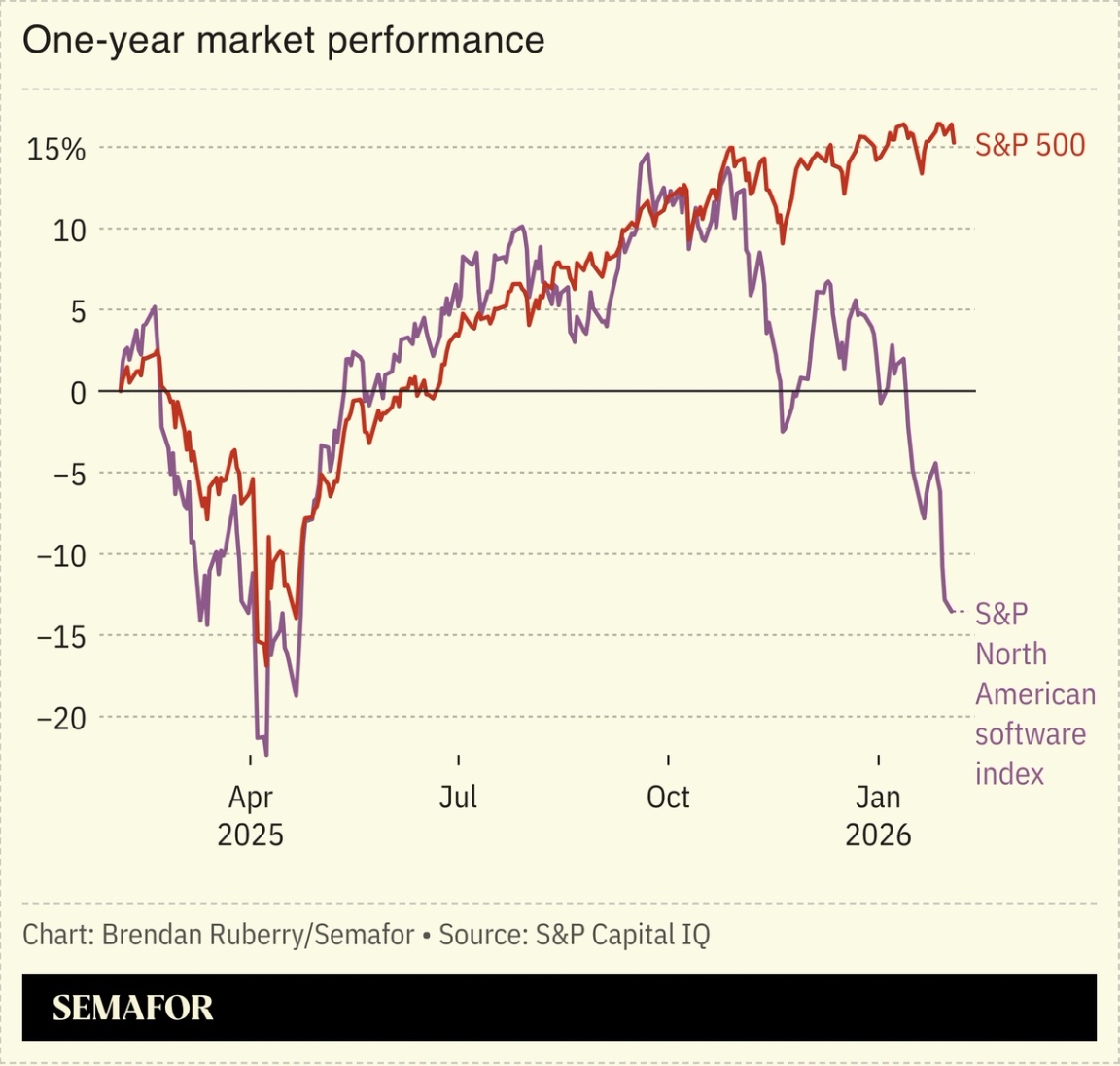 US software stocks sank further this week on swelling investor fears that new AI tools will eat their lunch. The selloff came after AI startup Anthropic unveiled new tools that can automate legal, sales, and marketing tasks — potentially disrupting fields that were once seen as beneficiaries of the AI boom. Some of the hardest-hit companies were those with large analytics businesses, like Thomson Reuters, which owns a legal database. Even stocks of software-adjacent firms, including video game and advertising businesses, have been hit. It’s thrown analysts into a mixed debate: In a note to investors, a JPMorgan software analyst wrote, “the sector isn’t just guilty until proven innocent, but is now being sentenced before trial.” He added that just beating Wall Street targets is no longer enough. Meanwhile, Bank of America analysts have taken a lighter touch approach, comparing the latest selloff to the DeepSeek scare of last year, “which ultimately proved unfounded” and was followed by higher spending and growth. |
|
The future of celebrity influencers |
 Eric Gaillard/Reuters Eric Gaillard/ReutersAs part of the nearly billion-dollar all-stock acquisition of TikTok star Khaby Lame’s business last month, a scandal-plagued Chinese e-commerce firm will operate Lame’s commercial activities, Semafor’s J.D. Capelouto reports. The idea is to use an AI agent of Lame’s to livestream products for sale, in a test of whether China’s massive livestream shopping model can be transplanted into Western markets using international celebrities and new AI capabilities. In J.D.’s view, we’re not far off from a world where Chinese factories make the products that are hawked around the clock by influencers and their AI avatars via TikTok Shop or other livestream platforms. The question is whether the rest of the world wants to shop via livestreamed avatars the way consumers in China have been doing for years, and if so, how the US will grab a share of this market that it has virtually no footprint in. |
|
How AI is rewriting the SEO script |
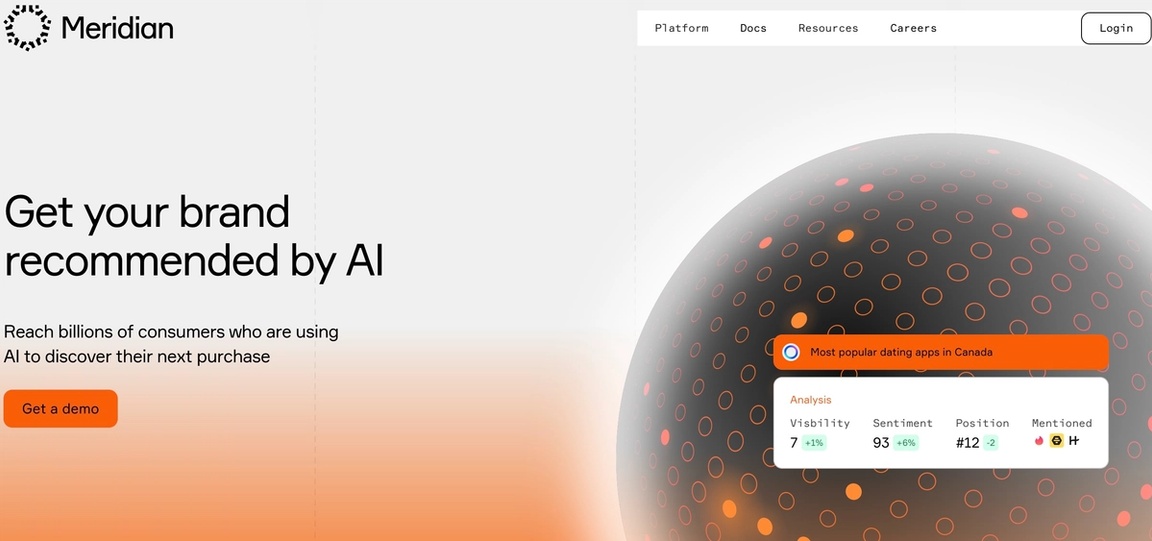 SEO 2.0. Now that we have to design websites for AI agents, rather than search engines, a host of startups are cropping up to school brands and companies on exactly how to do it. In one case, a startup says it runs thousands of daily prompts to figure out how AI models are talking about clients’ brands — and suggests ways to boost their visibility. Traditional keyword searching has sputtered as AI and chatbots gain popularity, causing many companies who built entire business models on old school SEO monetization to buckle under. The new AI-first solutions might be good for advertisers, but it’s more complicated for consumers. This is where product “slop” comes in, recommending brands that use the right words rather than the best products, and making it far more difficult for a consumer to find an honest review. This is already happening to some extent because of how the models work, but there’s still room to reinvent the system, rather than perpetuating one of the worst parts of the internet. — Rachyl Jones |
|
 SVEDKA/YouTube SVEDKA/YouTubeLast year’s Super Bowl ads promoted AI. This year’s ones actually use it. The first mostly AI-generated ad to air during the Super Bowl LX will come from Vodka brand Svedka, in a sign that generative video has ascended to the top. The 30-second spot features a voluptuous humanoid woman and her muscular male companion dancing at a club with bottles in hand. It was chosen as a part of a competition of fan-made media. A 23-year-old Nashville native developed the ad almost entirely by prompting AI models. It wasn’t a play to save time or money, like other brands have been experimenting with, but a way to start a conversation, Sara Saunders, chief marketing officer at Svedka owner Sazerac, told The Hollywood Reporter. Other companies have incorporated AI into their Super Bowl commercials to a lesser extent, according to the outlet, and AI companies will return as well — a commercial from Anthropic pokes fun at ChatGPT incorporating ads. AI adoption by advertisers has steadily trickled in over the last year, and Svedka’s commercial is the effect of industry-wide budget consolidation and competition among marketers to be cutting-edge. But most of these commercials air quietly, like in New York’s campaign to fight addiction stigma, without big names like Svedka or during costly Super Bowl time. AI ads are here to stay, not because any brand is doing anything particularly interesting with them, but because they’re becoming part of a routine. |
|
|


