| |  | | | | |  | By Megan R. Wilson | Was this newsletter forwarded to you? Sign up here to get it in your inbox. In today’s issue: A House panel will grill industry executives on drug prices next week. ... Antitrust regulators reach a “landmark” settlement with one pharmacy benefit manager. … And, tracking the increase in federal research dollars for ALS. Hello and welcome to the Health Brief newsletter. Do you have any story tips, health policy intel or a list of 2026 advocacy priorities? Shoot me a note at megan.wilson@washpost.com. If you prefer to message me securely, I’m also on Signal at megan.434. This newsletter is published by WP Intelligence, The Washington Post’s subscription service for professionals that provides business, policy and thought leaders with actionable insights. WP Intelligence operates independently from the Washington Post newsroom. Learn more about WP Intelligence. | | | |  | The Lead Brief | The House is turning its attention to the pharmaceutical industry as it tackles the issue of health care affordability in an election year — calling executives to testify about the “root” causes of drug prices next Wednesday. It follows a hearing last month where lawmakers grilled the CEOs of the nation’s top health insurance companies. This time, the House Energy and Commerce’s health subcommittee will hear from leaders of trade associations representing different parts of the medicine supply chain, such as drugmakers, employers that offer health benefits to workers, pharmacists and middlemen called pharmacy benefit managers (PBMs). Why it matters: Congress is putting the entire drug marketplace on trial — not just Big Pharma companies and PBMs, which have historically captured the most attention from lawmakers. Republicans are trying to hold on to control of their narrow margins in the House, zooming in on the high cost of health care as a salient campaign issue before the November midterms. Many of these industries are actively involved in expensive advocacy battles against one another, spending millions on lobbying and advertisements to sway public opinion toward their narratives on affordability. A high-profile hearing gives lawmakers a chance to test those claims side by side, even as concrete (or viable) legislative solutions remain elusive. → The panel has lined up a stacked witness list: - Lori Reilly, the chief operating officer at the Pharmaceutical Research and Manufacturers of America (PhRMA), which represents large drugmakers
- John Crowley, the CEO of the Biotechnology Innovation Organization, a sprawling organization that primarily represents biotech companies
- John Murphy, CEO of the Association for Accessible Medicines, which represents generic drugmakers
- James Gelfand, the president and CEO of ERIC, an employer group
- David Marin, the president and CEO of the Pharmaceutical Care Management Association (PCMA), which represents the PBM industry. (It will be his first appearance since taking the helm of the group two weeks ago.)
- Angie Boliver, president and CEO of the Healthcare Supply Chain Association, which represents group purchasing organizations (GPOs)
- Douglas Hoey, CEO of the National Community Pharmacists Association
- Chip Davis, the president and CEO of the Healthcare Distribution Alliance, representing pharmaceutical distributors
The broad list of witnesses, which hasn’t yet been reported in full, will help lawmakers “examine the root drivers of prescription drug costs and ways to keep them both accessible and affordable,” said House Energy and Commerce Committee Chair Brett Guthrie (R-Kentucky) and Rep. Morgan Griffith (R-Virginia), who leads the panel’s health subcommittee. “We’re excited to join the hearing and better explain the value PBMs provide the system,” said Greg Lopes, a spokesperson for PCMA. “After years of narrow focus on PBMs, it’s encouraging that members of Congress are ready to hear from other parts of the supply chain, many of which are contributing to the high prices people pay for drugs.” | 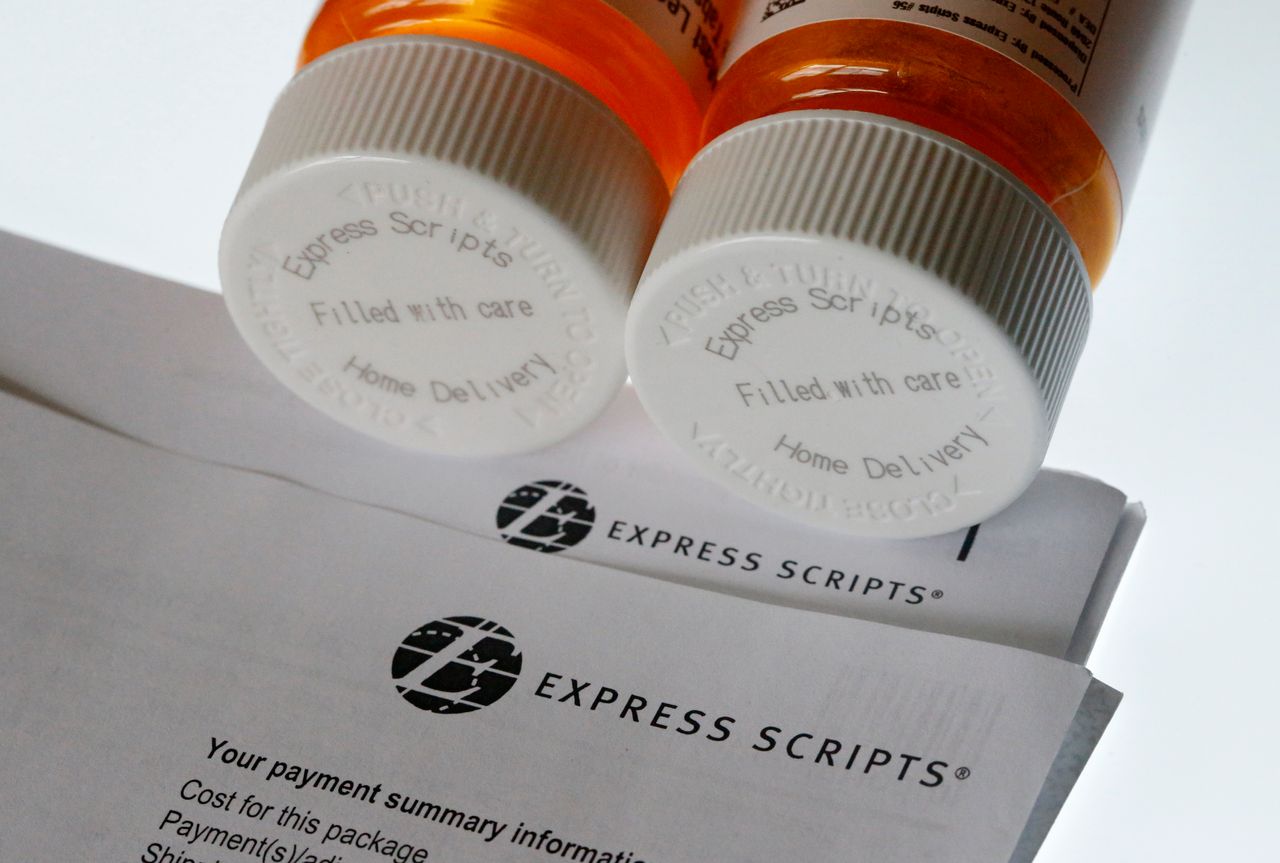 | | Antitrust regulators reached a settlement with Express Scripts, a PBM owned by health insurer Cigna. (Wilfredo Lee/AP) | | | | | | Industry Rx | The Federal Trade Commission on Wednesday reached a settlement with Express Scripts, a PBM owned by Cigna, that will require the company to make sweeping changes to how it does business. In return, federal regulators will drop a lawsuit that alleges it used anti-competitive tactics to artificially inflate the price of insulin. The FTC called it a “landmark” agreement, and said it will save U.S. consumers up to $7 billion over the next 10 years. Express Scripts has agreed to be more transparent with its clients and move its Switzerland-based GPO, Ascent, to the U.S. GPOs, also known as “rebate aggregators,” help PBMs negotiate discounts with drugmakers. Critics argue they also help obscure PBMs’ profits. → In addition to negotiating rebates with drug companies, PBMs also decide which medications an insurance plan will cover on their formularies. Their pivotal role in the health system has attracted bipartisan criticism from federal and state lawmakers and antitrust regulators. In its lawsuit, the FTC alleges that PBMs — including OptumRx, which is owned by UnitedHealth, and CVS Health’s Caremark — used their market power to push insulin manufacturers to price their products higher in order to exact larger rebates and preferred treatment in coverage, which the FTC claims benefitted the PBMs. The lawsuits against those companies, initiated during the Biden Administration, are ongoing. Here are four other major aspects of the Express Scripts agreement: - It will no longer prefer the coverage of medications with higher costs when identical, cheaper versions are available.
- It will base a patient’s out-of-pocket cost for a medication on how much the drug really costs — after discounts — rather than the much higher list price.
- It will allow patients to buy medications from the TrumpRx direct-to-consumer platform and have those purchases apply to their deductible and out-of-pocket maximum. (The launch of TrumpRx has been delayed amid questions about how the government will ensure the platform complies with anti-kickback laws.)
- The amount it pays pharmacies to dispense a drug will be based on how much the medication costs, plus a clear fee for their work. (Some PBMs can reimburse pharmacies below the cost of a drug, which has irked independent pharmacies.
Other parts of the settlement align with what Congress and regulators are already requiring of many in the PBM industry, including Express Scripts no longer being able to tie its compensation to the price of medications they select for health plans to cover. The funding bill signed into law Tuesday included this “delinking” policy for Medicare. | | | | | | Numbers Game | 193 percent That’s how much grant funding from the National Institutes of Health and Food and Drug Administration related to research and access to experimental treatments for ALS increased between fiscal 2022 ($29.4 million) and fiscal 2025 (86.2 million). ALS is a progressive neurodegenerative disease that’s ultimately fatal. It’s commonly known as Lou Gehrig’s disease. The figure comes from a new Government Accountability Office report mandated by the Accelerating Access to Critical Therapies for ALS Act, a law enacted in 2021. Nearly half of the money is attributed to grants from the NIH and FDA for a public-private partnership focused on rare neurodegenerative disease research. | | | | | | | | | | | | |


_tstmp_1756933376-1920-1080.png)