What is the Nipah virus and what is the risk of a global outbreak? |
Two new cases of Nipah virus appeared in West Bengal, India, last month. The virus kills between 40% and 75% of those infected, often causing fatal inflammation in the brain.
“If you get the Nipah virus, it is bad,” explained William Schaffner, MD, Professor of Infectious Diseases at Vanderbilt University. “It can cause encephalitis with a high mortality rate, and even if you recover, you are likely to have long-term disability.”
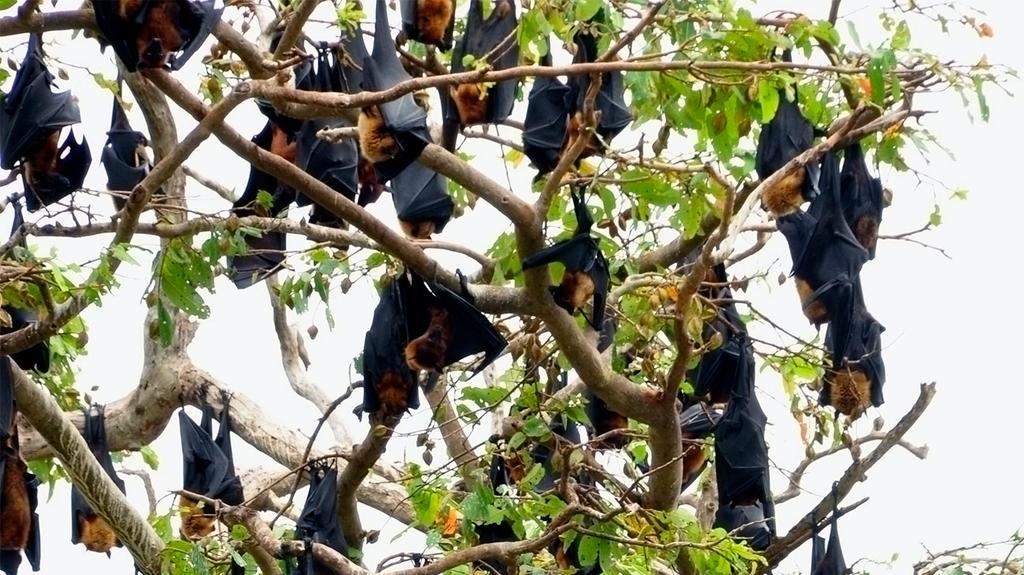
The virus is carried by fruit bats that contaminate fruits with their saliva or urine, particularly when feeding on date palm trees during sap collection. The largest outbreak occurred in Malaysia in 1998, when over 100 pig farmers of the 300 infected died after their animals fed on partially-eaten fruits left by the bats.
Outbreaks peak seasonally between December and May, when stressed bats shed more virus while searching for food near human populations. Despite being on the World Health Organization (WHO)’s priority pathogen list, experts consider the risk of widespread transmission low, making a Nipah virus pandemic highly unlikely.
No approved vaccine or treatment exists, though Oxford University is conducting the first Phase II clinical trial in Bangladesh.
To learn about specific prevention strategies and why scientists remain cautiously optimistic about the threat, jump to “Nipah virus outbreak: Why experts are watching closely.”
Also making headlines this week:
| |


