| Forwarded this email? Subscribe for more |


 |
| By The Free Press |
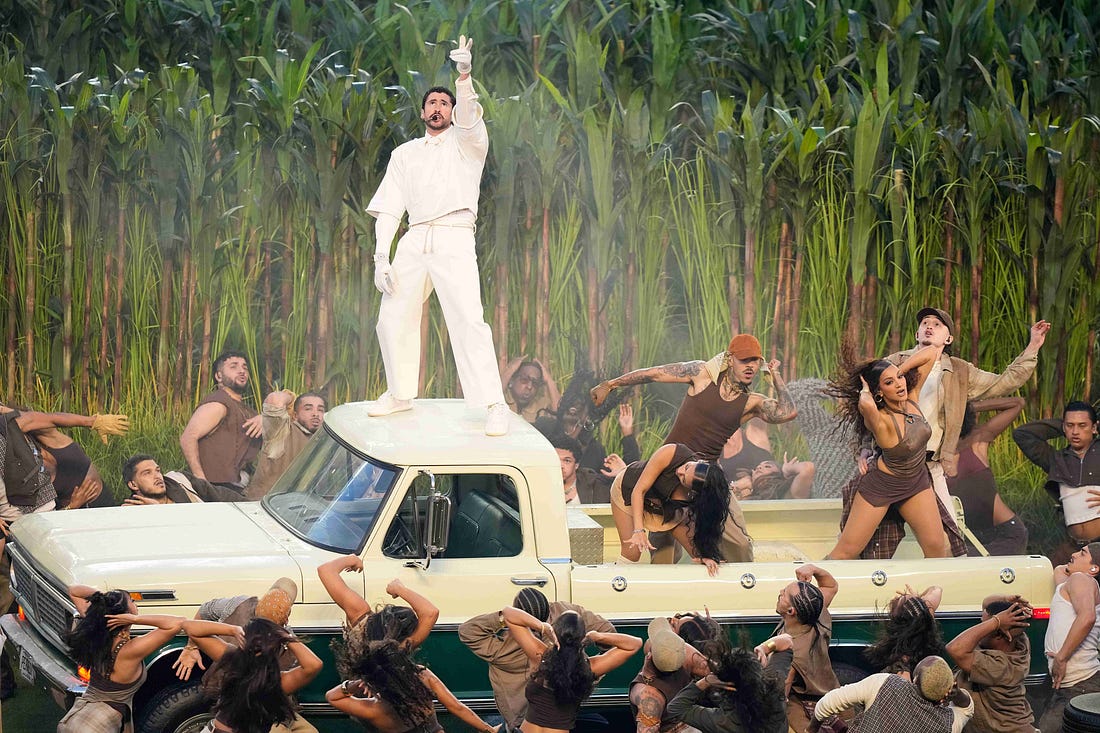
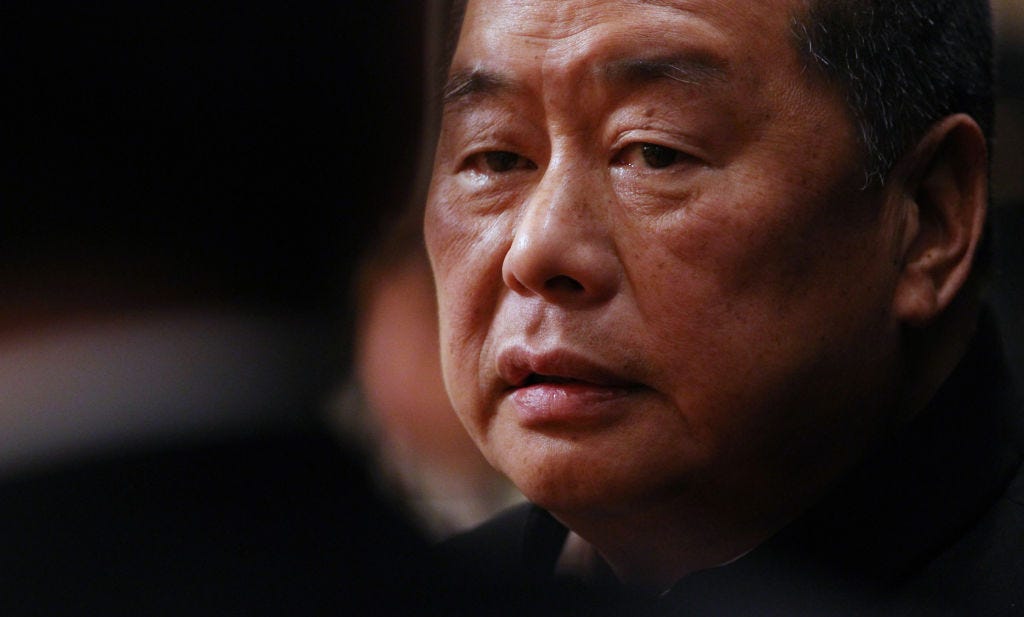
It’s Monday, February 9. This is The Front Page, your daily window into the world of The Free Press—and our take on the world at large. Today: Kat Rosenfield and Coleman Hughes on Lionel Shriver’s new immigration satire; what can the West do to free Jimmy Lai?; Haviv Rettig Gur tells us why he let anti-Israel protesters interrupt his talk; Suzy Weiss on America’s divided halftime show(s); and much more.
But first: One giant leap away from mankind.
You might have missed it, but last week the world changed.
Here’s what happened: AI firms Anthropic and OpenAI both released new versions of their coding agents. That might seem like a technical note, but these were not your average software updates. They showed huge leaps in what the AI agents can do. And—crucially—a large part of the programming work that went into them was itself done by AI.
This is an inflection point. A self-correcting AI is one that will advance far faster than one that relies on us mere mortals.
The narrow meaning is this: “Learn to code” was terrible advice. For weeks now, leading software engineers have been acknowledging that, as Ryan Dahl put it recently, “The era of humans writing code is over.” Earlier last week, hundreds of billions of dollars were wiped off the value of software stocks, as investors braced for the AI disruption.
The bigger meaning is this: It looks like a lot is about to change—and very quickly. We’re at the point on a graph when the line bends sharply upward, and we’re not sure where it’s going to take us.
Today, three stories on that steep trajectory into the unknown.
First, Tyler Cowen unpacks the developments of the past week, and explains why we have reached such a major turning point in AI—and what a self-improving AI will mean for all of us:
Next, Mark Gimein looks at the two companies at the heart of this transformation, and the fight between them playing out in the press, on social media, and even in last night’s Super Bowl ads. What does OpenAI want? And why does Anthropic want to stop them? Read Mark’s piece to find out:
Amid all this change, I find myself asking more and more often: How do we stay ourselves? That’s the question on Freya India’s mind too. Freya describes the feeling of hopelessness she has while “staring down the barrel of a life spent inputting and prompting.” But don’t despair, she says. “You just have to be human.” To find out how, read her full essay:
—Oliver Wiseman
 |
Lionel Shriver on the Immigration Taboo
Lionel Shriver has a talent for brutal honesty on morally charged topics, and her new novel is no different. In A Better Life, Shriver’s subject is immigration, and the book is bound to annoy—well, everyone. Read Kat Rosenfield on Shriver, immigration, and a book that Kat says refuses to reduce the characters to their politics:
Lionel is Coleman Hughes’ guest on his podcast this week. They talk about the book and debate immigration, free expression, and more. Listen to the latest episode of Conversations with Coleman:


|
A Tale of Two Halftime Shows | ||||
 | ||||
|
Jimmy Lai Gets 20 Years. The Fight to Free Him Must Go On. | ||||
 | ||||
|
For more on Jimmy Lai, read his daughter Claire: “I Don’t Want My Father to Be a Martyr Behind Bars.” And read Soviet dissident Natan Sharansky’s letter to Jimmy Lai.
