| Forwarded this email? Subscribe for more |


 |
| By The Free Press |
It’s Wednesday, February 11. This is The Front Page, your daily window into the world of The Free Press—and our take on the world at large. Today: Kat Rosenfield on the Olympian who Trump called a loser. Patrick McGee on the marvelous, myriad uses of drones. Tanya Lukyanova watches the Epstein tapes. Seth Pinsky, CEO of the 92nd Street Y, asks: Can Jews gather safely in New York City? All that and much more.
But first: The Afrikaners who came to America—and the Ukrainians being forced to leave.
Who gets to come to America? And who gets to stay? Those are among the most contentious questions of the second Trump administration. Today, a pair of stories that address those questions in relation to refugees.
Last October, the Trump administration lowered the maximum number of refugees allowed into America in 2026 to 7,500. Under Biden, the annual figure had been 125,000. One group of refugees Trump has welcomed are the Afrikaners.
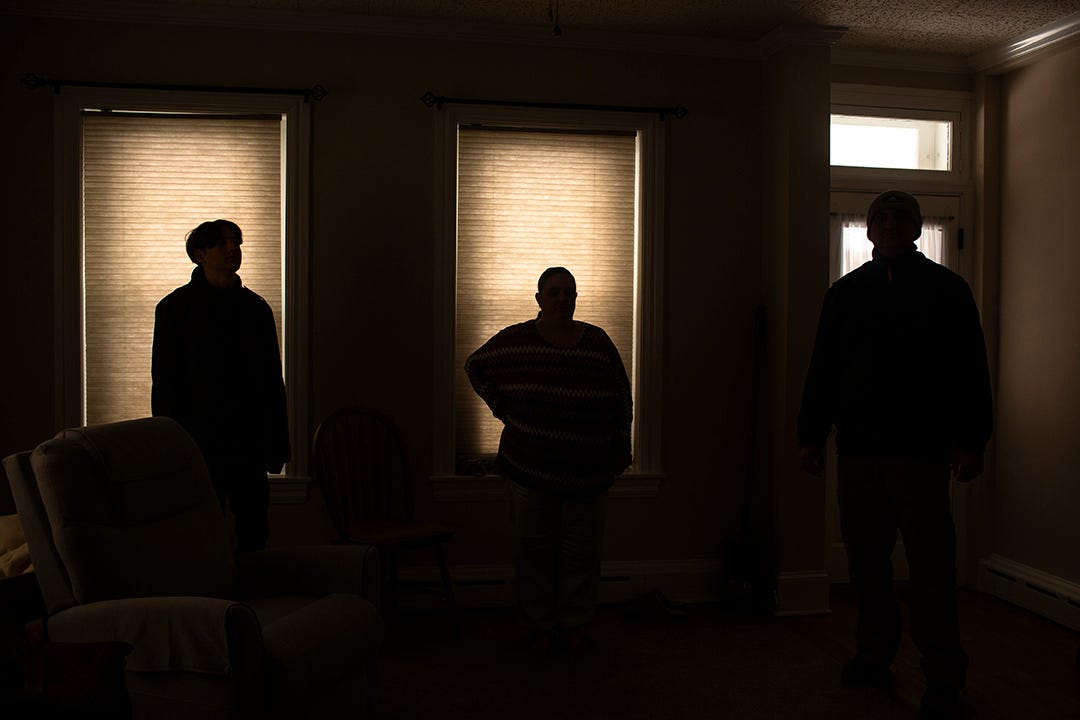
The decision to welcome these white South Africans, but not others, led to much opprobrium and charges of racism from Democrats. But now that the Afrikaners are here—and the political conversation has moved on—how are they doing, and how have they been treated? The answer, according to Madeleine Rowley’s investigation, is not well. She talks to some of the Afrikaners Trump invited to America and hears tales of languishing in cockroach-infested apartments, walking miles to the grocery store for food, eating just one meal a day to save money—and very well-paid nonprofit executives. Read her full investigation:
From the South Africans Trump welcomed to the Ukrainians being forced out of the U.S. After Russia’s invasion of Ukraine, the Biden administration launched the Uniting for Ukraine program to offer safety for Ukrainians fleeing the war. When Trump returned to office, he paused the program. That left Ukrainians here in America in legal limbo, with some forced to leave the country because of nothing more than a bureaucratic backlog. Frannie Block talks to the Ukrainians dealing with this uncertainty, and to those who got a taste of the land of opportunity before having to leave.
—The Editors
 |
WATCH: The Epstein Tapes
On January 30, the Department of Justice released more than three million files related to Jeffrey Epstein, including roughly 2,000 unpublished videos. While the videos are indeed public, they are stored in a way that makes them very hard to find or browse: You can download hundreds of gigabytes of data—or click through hundreds of web pages, one by one.
The Free Press’s Tanya Lukyanova did both.
These are videos seized from Epstein’s devices: footage he recorded himself, received from others, or downloaded from the internet. They paint the most vivid picture yet of Epstein’s dark world. She watched them, and you can too:
|
The Drone Age Is Already Here | ||||
 | ||||
|
Stop Asking Olympians How They Feel About America | ||||
 | ||||
|
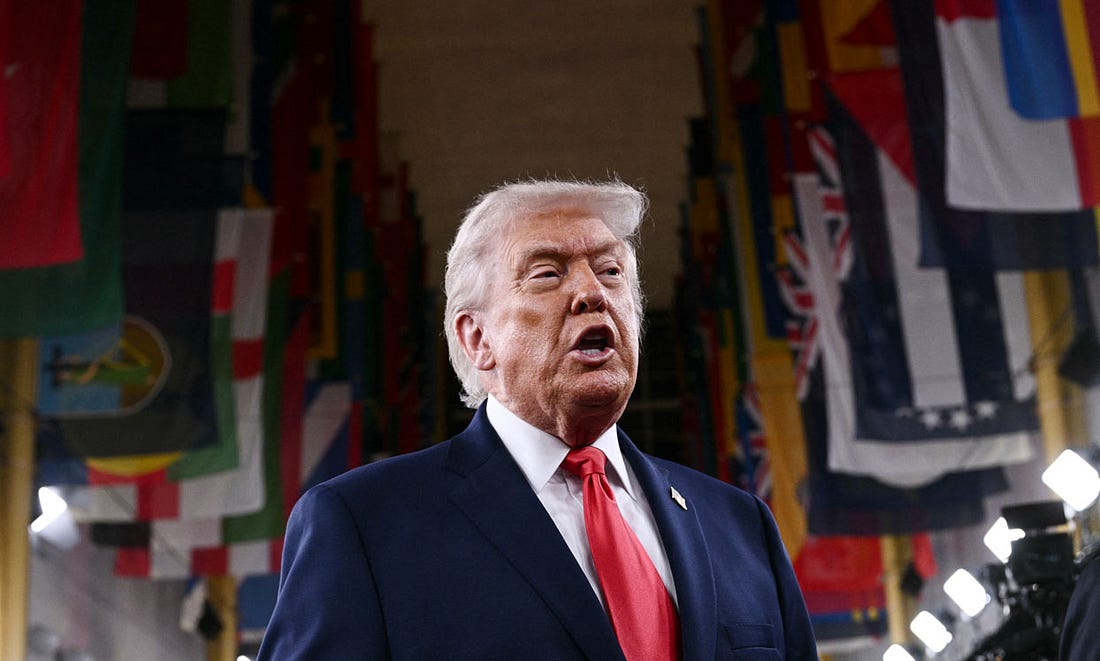
How America Lost Its Voice Overseas | ||||
 | ||||
|
Can Jews Gather Without Harassment in Today’s New York? | ||||
 | ||||
|