In each edition, I’ll share the most interesting and actionable findings from the latest health studies so you can stay informed (without sifting through dense medical journals).
Here’s what I found this month:
Probiotics for Fewer Breakouts and Better Skin
Acne is usually treated as a skin problem, but a growing body of research suggests what’s happening in the gut may influence inflammation, oil production, and even skin hydration. A 2025 systematic review and meta-analysis pulled together nine clinical trials examining whether oral probiotics could improve acne outcomes.
Across studies, people taking probiotics saw gradual but meaningful improvements in acne severity, with the clearest benefits emerging after about 12 weeks. What’s especially notable is that probiotics were associated not just with fewer breakouts, but with healthier skin overall. Several trials reported reductions in both inflammatory and non-inflammatory lesions, along with improvements in skin hydration and oil balance
Butyrate Supplementation Reduces Gut Inflammation
Butyrate is a short-chain fatty acid produced by beneficial gut bacteria, and it serves as a primary energy source for the cells lining the colon. A 2024 double-blind, placebo-controlled trial looked at what happens when people with ulcerative colitis supplement with microencapsulated sodium butyrate alongside standard therapy.
After two months: • Over 50% achieved meaningful symptom improvement • Nearly one-third reached full clinical remission • Many showed reductions in stool calprotectin (an inflammatory marker)
This helps explain why strategies that increase butyrate availability through diet, microbiome support, or supplementation may play a meaningful role in calming gut inflammation and supporting long-term gut integrity.
The Low FODMAP Diet Is About More Than Food Sensitivity
Many people think the low-FODMAP diet works simply because it removes “problem foods.” A 2026 study suggests something more complex may be happening. Stool samples collected from patients before starting the diet caused gut barrier damage when transferred to mice, while samples collected after the low-FODMAP diet did not.
Researchers traced this effect to lipopolysaccharide (LPS), a bacterial endotoxin that activates mast cells and weakens the intestinal lining. When mast cell activity was blocked, gut permeability normalized, highlighting that IBS symptoms may be driven by immune activation and barrier dysfunction, not just food sensitivity.
Probiotics Improve Executive Function in Children With ADHD
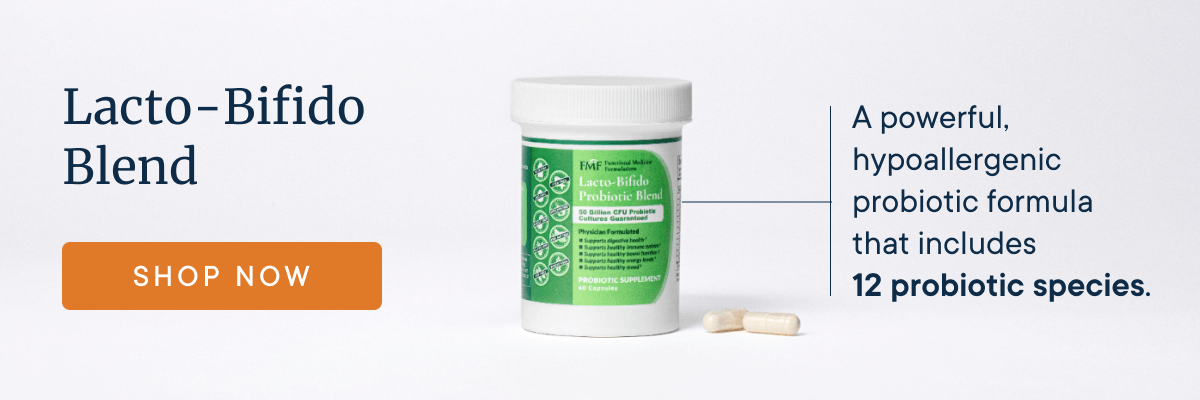
A randomized controlled trial studied whether a daily probiotic could support brain function in children with ADHD. Over two months, children receiving a combination of Lactobacillus and Bifidobacterium probiotic strains showed meaningful improvements in executive function compared to placebo.
These findings suggest probiotics may offer a helpful, non-medication support for attention, organization, and self-regulation in children, likely through gut–brain signaling.
In Health,
Dr. Michael Ruscio, DC
Adjunct Professor, University of Bridgeport Clinical Researcher