|
 |
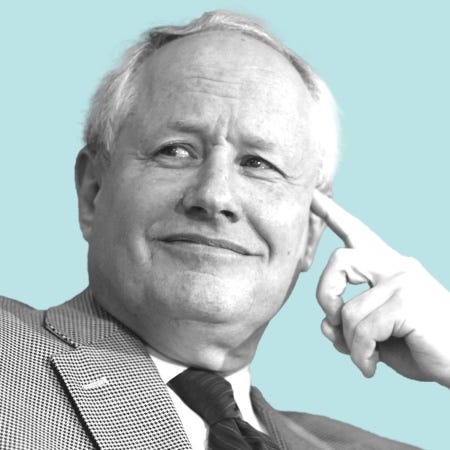




HHS Secretary Robert F. Kennedy Jr. sure has a way with words. During an appearance on Theo Von’s podcast This Past Weekend yesterday, Kennedy described why he had been determined to keep going to in-person addiction-recovery meetings during the COVID pandemic: “I’m not scared of a germ. You know, I used to snort cocaine off of toilet seats.” Happy Friday.
 |
A Moderately Frabjous Day
by William Kristol
“And hast thou slain the Jabberwock?
      Come to my arms, my beamish boy!
O frabjous day! Callooh! Callay!”
      He chortled in his joy.
—Lewis Carroll, Through the Looking-Glass, and What Alice Found There
In Alice’s through-the-looking-glass world, it was a truly frabjous day when an unnamed but “beamish” boy killed the fearsome and villainous monster, the Jabberwock.
In the through-the-looking-glass world of America in 2026, yesterday was a good day. It wasn’t so great as to cause joyful chortling. But it was moderately frabjous, enough so as to justify some hope for the future.
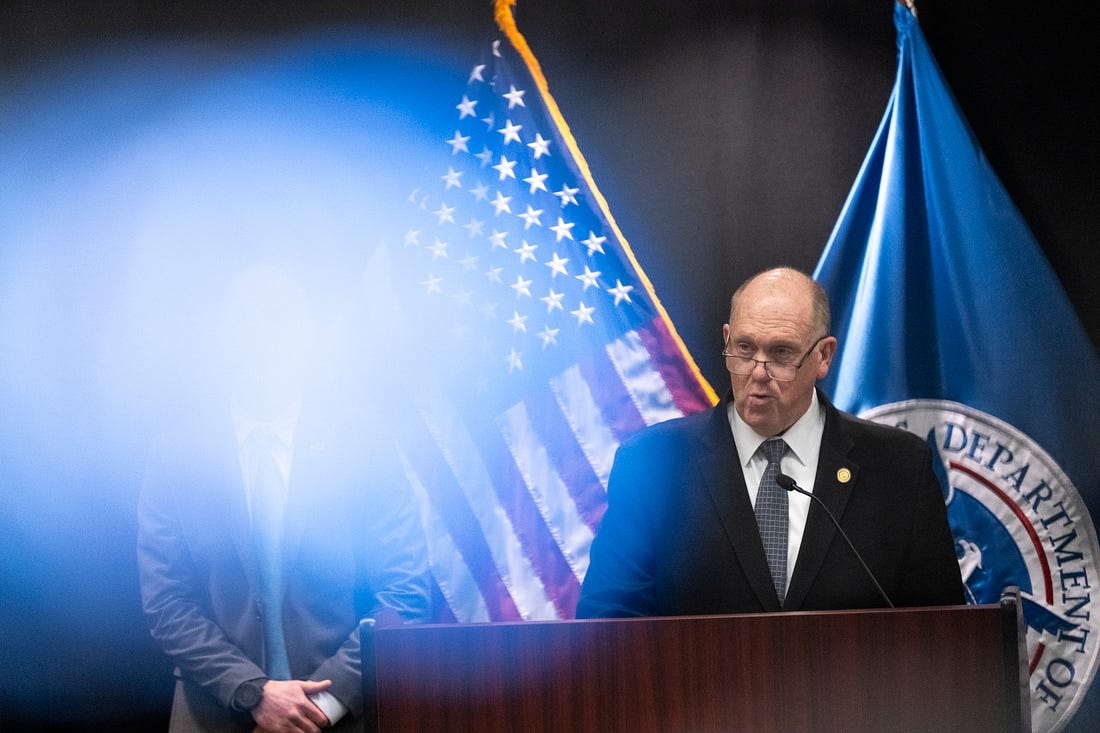
On Thursday morning, Trump White House aide Tom Homan announced the end of the Immigration and Customs Enforcement and Border Patrol assault against the intrepid residents of Minneapolis. Mayor Jacob Frey remarked that the Trump administration had launched its “catastrophic” operation with the belief that it “could break us,” but that Minnesotans had shown that “a love for our neighbors and a resolve to endure can outlast an occupation.” This was a real, if limited, victory in the fight against Trump’s mass-deportation and mass-intimidation regime.
Then yesterday afternoon, Senate Democrats successfully blocked the Department of Homeland Security appropriations bill. For now, ICE and the Border Patrol—Trump’s paramilitary forces—will at least be deprived of additional funds on top of the huge amounts they unfortunately succeeded in securing last year. And over in the House, enough Republicans joined Democrats to succeed in reclaiming some congressional power over setting tariffs.
Also yesterday, a federal judge ordered Trump’s Defense Department to halt disciplinary proceedings against Sen. Mark Kelly. In a blistering ruling, District Judge Richard J. Leon, a George W. Bush appointee, found that the administration was engaged in an attack on the retired Navy captain’s right to free speech: “This Court has all it needs to conclude that Defendants have trampled on Senator Kelly’s First Amendment freedoms and threatened the constitutional liberties of millions of military retirees.” This decision came two days after a federal grand jury declined to indict Kelly and five other Democratic lawmakers over a video that Donald Trump disliked.
Meanwhile, aftershocks of Attorney General Pam Bondi’s appearance before Congress Wednesday continued to reverberate—especially her contemptuous dismissal of the suggestion that Trump’s Justice Department should apologize to Jeffrey Epstein survivors for its failures to even try to provide either justice or the truth.
And every day it’s become ever more undeniable that Trump’s Justice Department was in clear violation of the law passed and signed just two months ago, calling for the comprehensive release of unredacted Epstein documents (with the only redactions supposed to be of information about the victims). For example, as the New York Times noted today, the Justice Department redacted the name of an Epstein correspondent from a 2014 email that said, “Thank you for a fun night . . . your littlest girl was a little naughty.” And though his identity later became public, the name of the correspondent to whom Epstein wrote in 2009, “where are you? are you ok, I loved the torture video,” was also redacted.¹
Why these redactions? And where, many well-informed experts asked, are all the other emails and documents from the FBI and Justice Department investigations that we know exist but that we haven’t seen?
The Trump administration’s coverup has been exposed if not yet overcome. So the “wall of protection” that existed around “the Caligula-like antics of Jeffrey Epstein and friends” hasn’t yet been demolished. But we’re closer than we were a couple of months ago to a real understanding of, and reckoning with, the Epstein scandal and coverup.
Meanwhile, yesterday Trump’s approval rating hit a new low of 40 percent in the polling average compiled daily by the New York Times. His disapproval is at 56 percent. These numbers are comparable to George W. Bush’s numbers on election day in 2006, when Gallup found 38 percent approval and 56 percent disapproval. Republicans lost both Houses of Congress in that midterm el