Activities, videos and simulations to bring the topic to life
CFR Education


February 15, 2026

Dear Educator, 


For those who remember the Cold War, today’s headlines may feel like a haunting case of déjà vu. For those who don’t, including your students, recent news might spark the question: How likely is a nuclear war to occur?


Despite its relevance, discussing nuclear weapons in the classroom can feel daunting. Between the intricate science, the controversial history, and the complex web of treaties, the topic is a lot to navigate—even with a cinematic assist from Oppenheimer.


CFR Education is here to help, offering a suite of resources designed to help you tackle this topic from the angle that best fits your class—be it science, history, or contemporary foreign policy. Every resource is crafted or vetted by leading experts, ensuring your students get the clarity they need on this critical issue.


In this newsletter, you will find an overview of the range of resources offered by CFR, including:

  • Introductory videos, readings, and timelines
  • Primary source analysis and simulations
  • Expert takes 


Happy learning, 


Caroline Netchvolodoff 
Vice President, Education 
Council on Foreign Relations 


Educator Tip: Not sure where to begin? This introductory lesson plan can help get you started!

The Basics of Nuclear Proliferation 

In foreign policy, “proliferation” most commonly refers to the spread or increase of nuclear weapons and, sometimes, other destructive military technologies and systems. “Nonproliferation" refers to the tools and policies used to mitigate the spread.


These four resources can be used together to introduce the topic of nuclear weapons:

  • What Is Nuclear Proliferation?
  • How Do Countries Create Nuclear Weapons?

  • Tools of Nonproliferation
  • The History of Nuclear Proliferation


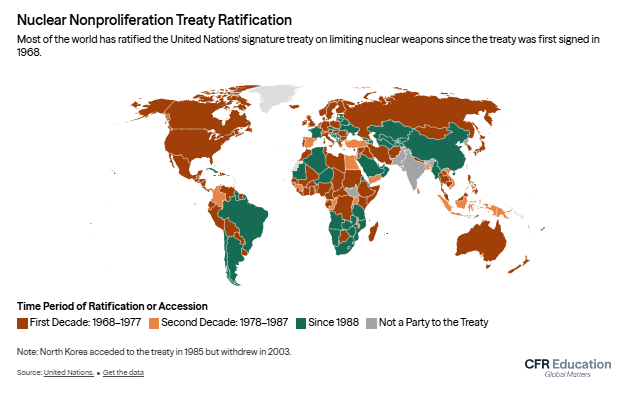
One of the greatest examples of international efforts to curb the spread of nuclear weapons is the Treaty on the Nonproliferation of Nuclear Weapons (NPT).

Expert opinions on the NPT's success are mixed. Some experts say the NPT has helped create a norm around nuclear weapons use by putting the goal of nonproliferation into writing, while others say the NPT is not as effective as it’s believed to be. Take this opportunity to encourage civil discourse among your students by asking them to represent both sides using the examples in the resource. 

In-Class Activities

Engage your students with these companion activities that ask them to evaluate past and present nuclear threats and reflect on why these threats have changed over time:

  • Understanding Past and Present Nuclear Threats
  • Nuclear Proliferation Primary Source Analysis

The Nuclear World 

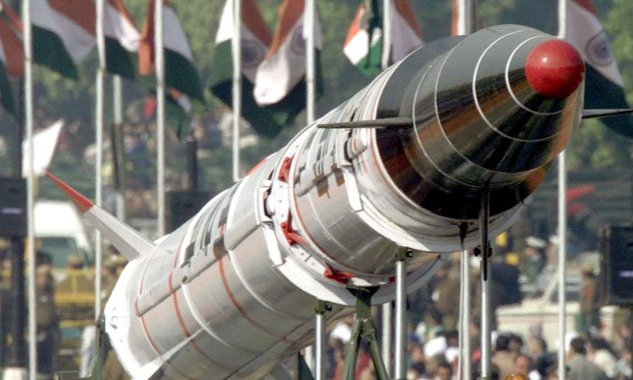
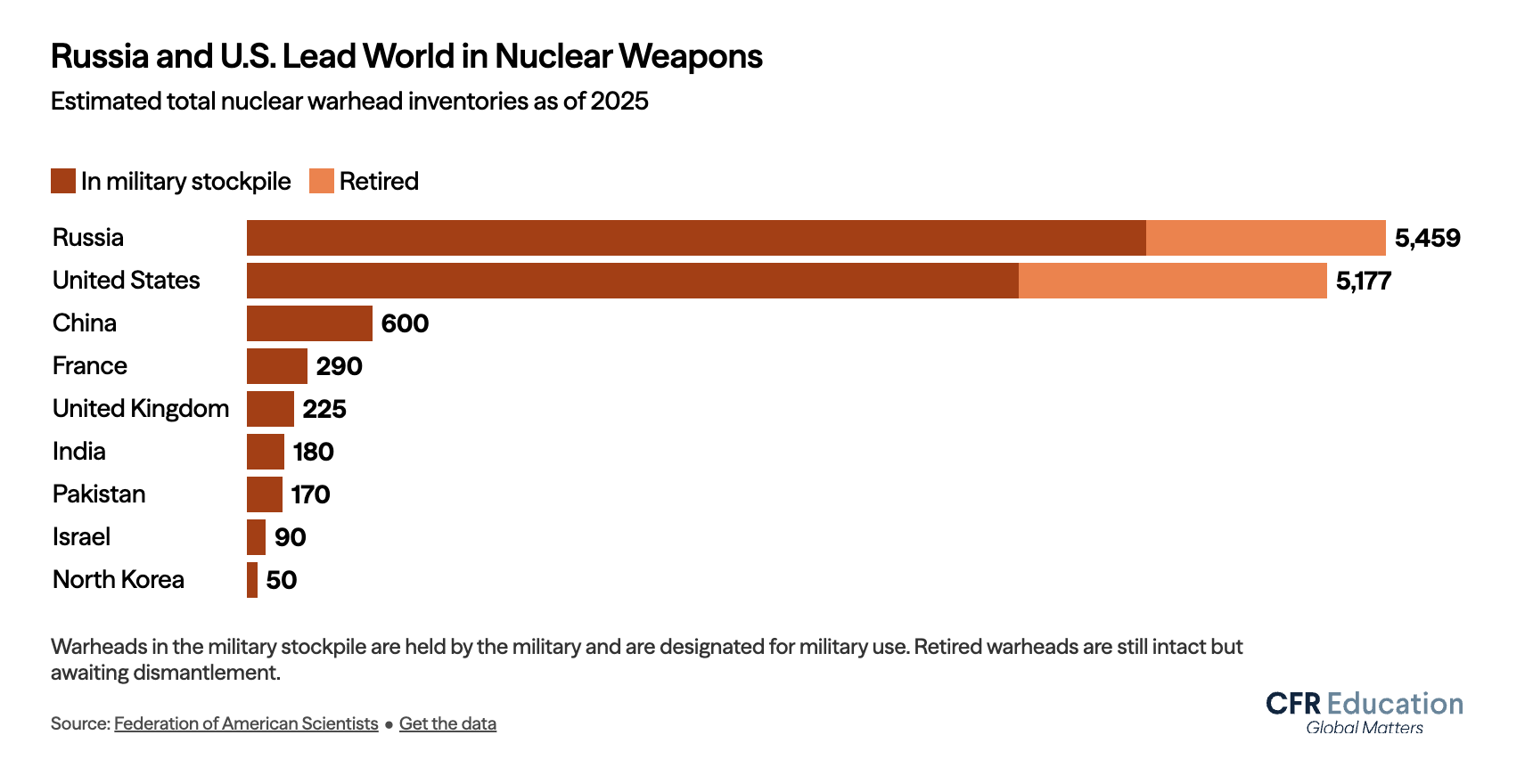
Despite extensive nonproliferation efforts, nuclear weapons still exist. But where are they? Since countries do not reveal their military secrets, knowing exactly how many nuclear weapons each country possesses is difficult. However, all countries experience some level of security leaks, and over a few decades of careful research, a generally accepted picture of nuclear arsenals worldwide has emerged. 

In the aftermath of the Cold War, the United States and Russia maintain the world's largest nuclear arsenals, controlling approximately 87 percent of all nuclear warheads, or individual weapons. Although the threat of a nuclear war is less immediate now than it was during the Cold War, it has not disappeared.


On February 5th, the New START treaty, the last remaining treaty between the United States and Russia intended to limit nuclear weapons, expired. Use the resources below to teach about the history of START and what the future may hold. 

  • U.S.-Russia Nuclear Arms Control Timeline
  • Nukes Without Limits? A New Era After the End of New START

  • Europe Faces Uncertainty as New START Ends

Topical Simulations

Bring current deliberations about nuclear power to life by running one of these simulations:

  • Nuclear Negotiations With Iran 

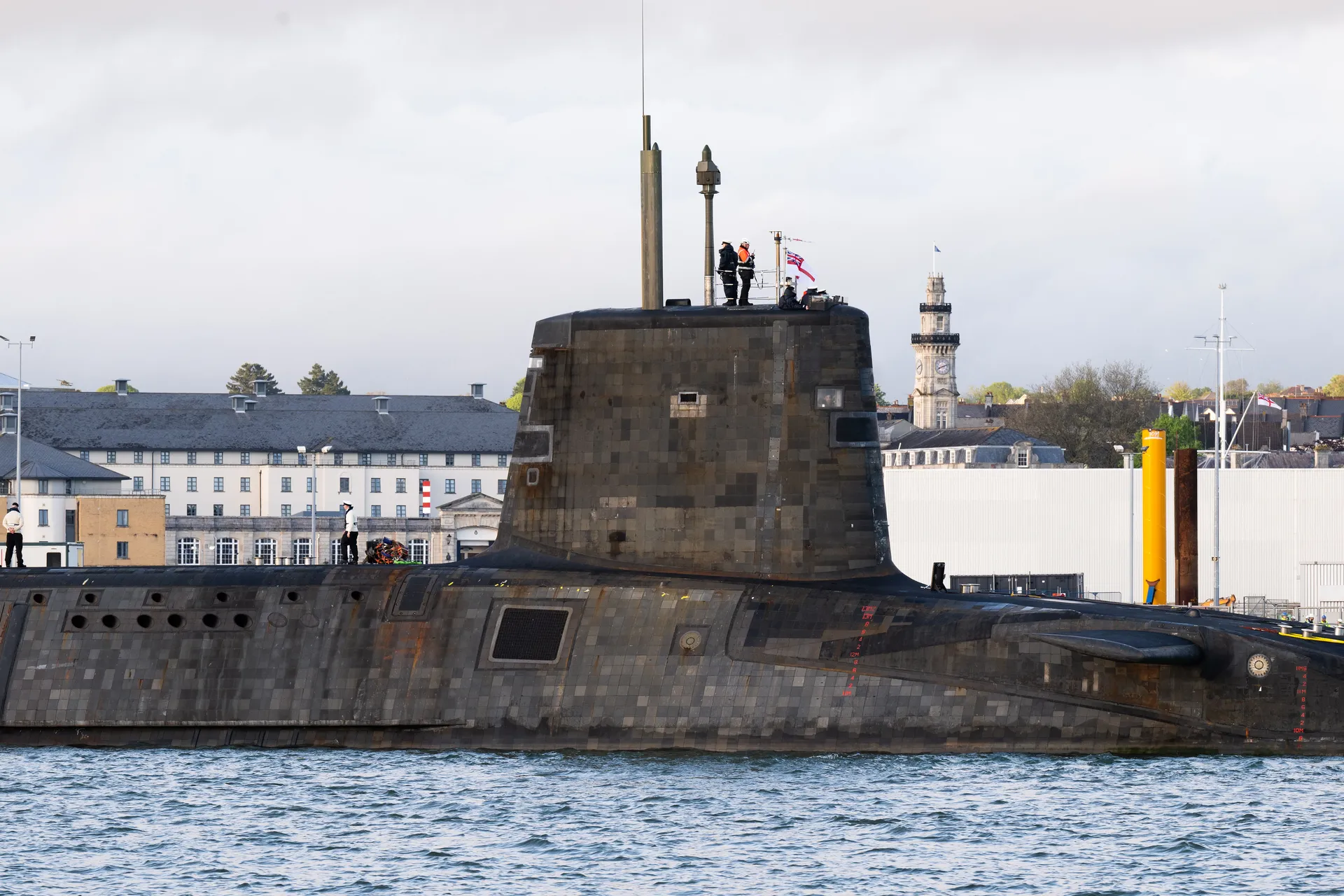
  • Should the United Kingdom Expand Its Nuclear Capabilities?

  • North Korean Nuclear Threat

Image

Council on Foreign Relations. All rights reserved.

58 East 68th Street – New York, NY 10065

1777 F Street, NW – Washington, DC 20006

 
FacebookTwitterYouTube

Manage Your Email Preferences