|
|
|
Newsletter continues after sponsor message
|
|
|
I don’t know about you, but I’ve heard conflicting platitudes about exercise and pain. There’s “If it hurts, don’t do it.” versus “Feel the burn!” and “No pain, no gain.” Whether you should push yourself to the point of pain is an especially relevant question when it comes to strength training, which requires a gradual increase of intensity to build muscle.
While there’s no cut and dry answer that applies to everyone, there are some parameters to keep in mind, as NPR’s Allison Aubrey reports.
When you feel acute pain, like a sharp or stabbing sensation, your body knows intuitively to back off. It could indicate a tear in muscle or connective tissue, and you’ll need to rest, and possibly seek medical attention.
A rule of thumb for weight training is to push to the point of fatigue. It should feel like hard work, and it may be uncomfortable. After the workout, it’s normal to feel sore “when you start an activity and especially when you're increasing it," says family physician and strongman competitor Dr. Andrew Mock. It means muscle fibers are repairing and strengthening — basically, you’re doing it right.
However, if you have severe pain that lasts more than a couple of days or interferes with your life, that’s a sign to pull back, says Mock. Overtraining can lead to injury, so try modifying how much you’re lifting, how frequently you’re doing weight training or your number of reps. Hopefully, you can gradually build back up.
For athletes and healthy non-athletes, there’s evidence that pain tolerance can actually increase with training over time.
Aram Chakerian, who’s in his mid 60s and does weight training, says the long term benefits of strength and joint stability motivate him to push himself. "The more I put into it now, the better off I'll be when I can no longer go as hard," Chakerian says. Both his parents died after falls. “It’s preventable,” he says.
Learn more about the pains, strains and gains of strength training.
Also: Millions of women are 'undermuscled.' These foods help build strength |
|
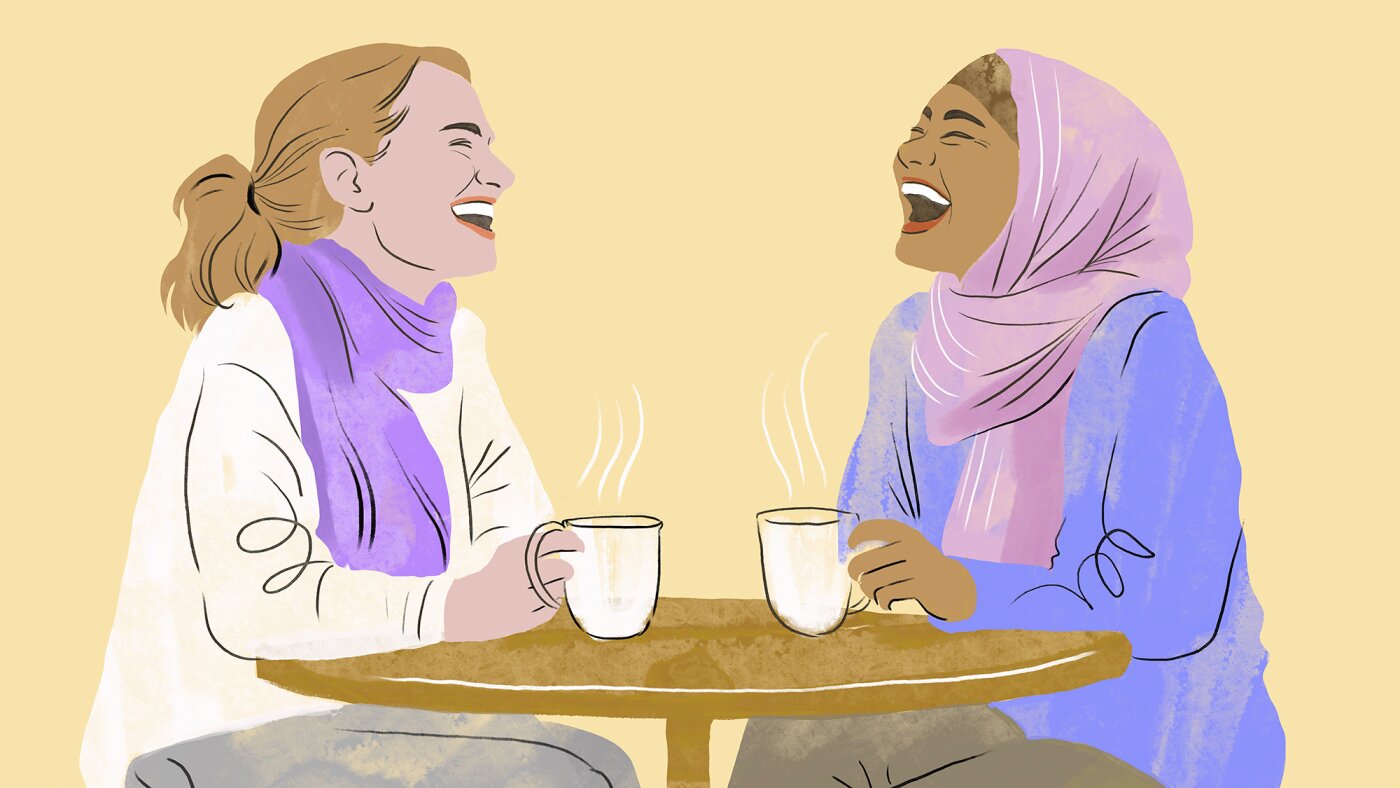
How was your Valentine’s Day? If you’re dating or partnered, were each of you on the same page about the holiday? Perhaps your sweetheart seemed distracted during dinner, and that got you worried. Or maybe all the focus on love and commitment made you want to pull away. If you’re single, V Day can bring up feelings of regret in past relationships. Like I was too clingy or I didn’t try hard enough to connect?
These types of feelings around closeness and distance can be indicators of something called your attachment style. According to attachment theory, how you attached to caregivers in early childhood informs how you relate to intimacy as an adult. The four attachment styles are secure, anxious, avoidant and anxious-avoidant.
Just knowing about your attachment style can help you feel more secure, says psychiatrist and neuroscientist Dr. Amir Levine, co-author of Attached: The New Science of Adult Attachment and How It Can Help You Find — and Keep — Love. And using the language of attachment style with your partner can strengthen your relationship.
Take the quiz to learn your attachment style, and listen to Life Kit’s interview with Amir Levine to learn more about how the science of attachment can help you find and sustain healthy relationships with romantic partners, friends, and even coworkers.
Plus: The key to flirting? It's not about you |
|
Michael Reaves/Getty Images |
|
We hope you enjoyed these stories. Find more of NPR's health journalism online.
All the best,
Andrea Muraskin and your NPR Health editors |
|
Listen to your local NPR station. |
|
Visit NPR.org to find your local station stream. |
|
|
| |
|
|
|
|
|
|
|
|
You received this message because you're subscribed to Health emails. This email was sent by National Public Radio, Inc., 1111 North Capitol Street NE, Washington, DC 20002
Unsubscribe | Privacy Policy |
 |
|
|
|
|
|
|
|