The art of the career pivot, lacing up Tarvas’s all-purpose boots and who’s in the running to be Paris’s next mayor?
|
Monday 16/2/26
|

|
|
London
Paris
Zürich
Milan
Bangkok
Tokyo
Toronto
|
|
|
|

Good morning from Midori House. For more news and views, tune in to Monocle Radio. Here’s what’s coming up in today’s Monocle Minute:
THE OPINION: Saudi Arabia’s new restraint is a mark of growing maturity
IN PRINT: The art of the career pivot
DAILY TREAT: Lace up Tarvas’s all-purpose boots
FROM MONOCLE.COM: Who’s in the running to be Paris’s next mayor?
|
|
Back to reality: Why Saudi Arabia is downsizing its Vision 2030 plans
By Inzamam Rashid
|

|
There’s something refreshing about a country admitting that it has overdone it. Of course, Saudi Arabia has not phrased it in so many words but the scaling back of its Giga-Projects – most conspicuously The Line, part of Neom – amounts to an acknowledgment that Vision 2030 had promised more than any nation could actually deliver.
For the better part of a decade, the kingdom has been selling the future in kilometre-long instalments: mirrored cities, ski resorts in the mountains, a building the size of a downtown area and, at the centre of it all, a 170km linear metropolis that sought to slice through sand and scepticism alike. The Line was supposed to rise 500 metres into the sky and stretch from coast to desert by 2030. The renderings were pristine and the rhetoric was epic – civilisation, we were told, would be reinvented.
But satellite images show little visible change since mid-2025: a vast scraped corridor in the desert but not quite the stainless-steel canyon once promised. The government has now confirmed that, rather than 170km of parallel skyscrapers, the focus is now on a far shorter coastal segment known as Hidden Marina.
| |
|
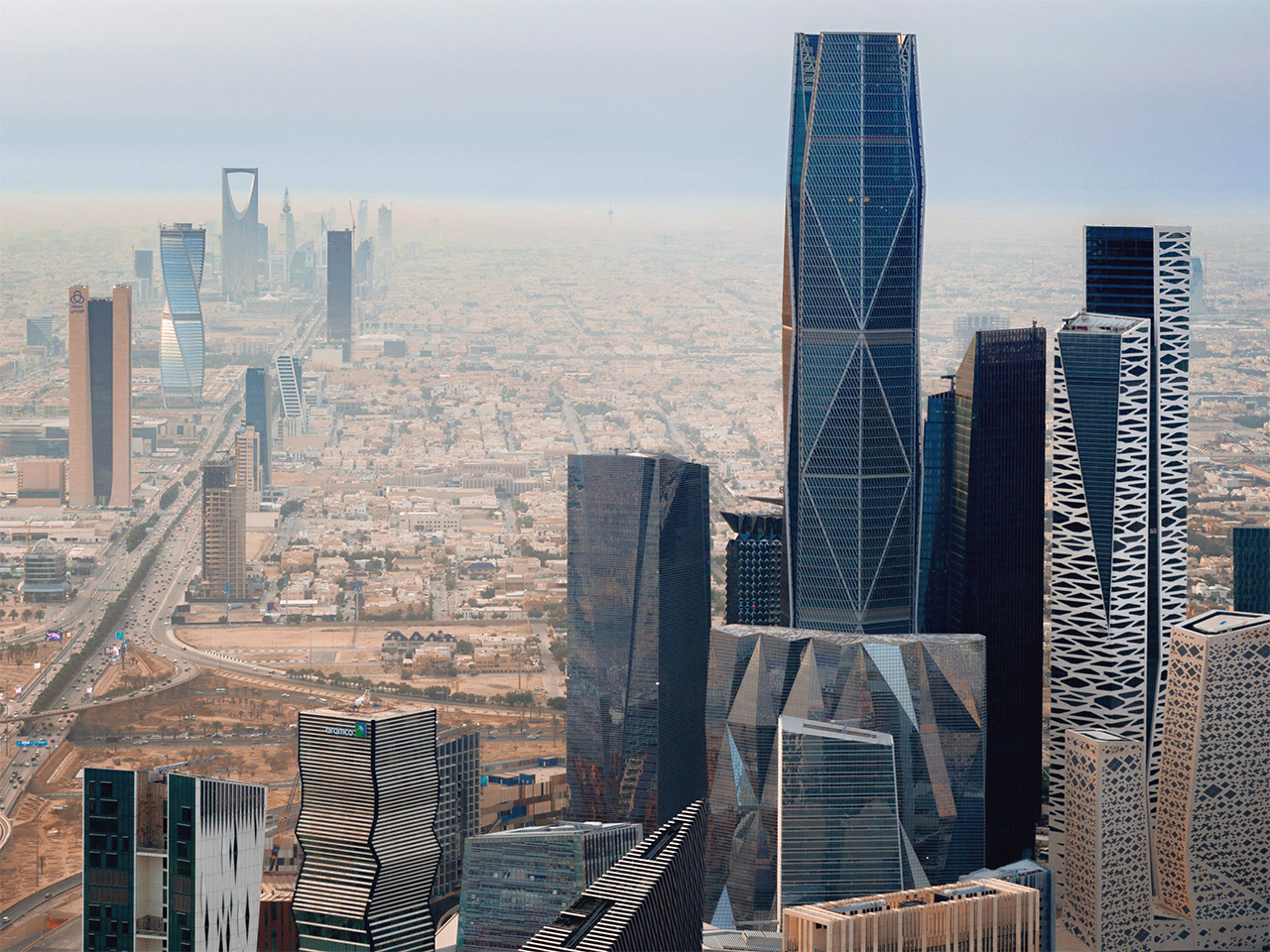
Castles in the air: King Abdullah Financial District in Riyadh
|
|
The tone has shifted too. The language is no longer about rewriting urbanism but about “phasing” and “prioritisation”. Reworking The Line could end up as something considerably less cinematic. Rumours suggest a data hub – server racks instead of sky gardens and fibreoptic cables rather than flying taxis. There’s a certain poetry in that downgrade.
This might not be the death of Vision 2030 but it is undeniably the end of its most operatic chapter. Other Giga-Projects have also been slowed, resequenced or discreetly paused. Riyadh’s vast Mukaab cube has been shelved. Mountain developments to the north face similar scrutiny. The Public Investment Fund is preparing a refreshed strategy that places emphasis on sectors with clearer and quicker returns, such as advanced manufacturing, mining, AI and logistics.
And then there’s the small matter of the 2034 Fifa World Cup. Saudi Arabia is orienting its infrastructure priorities around hosting football’s grandest tournament. One of the proposed stadiums is still slated to sit atop The Line’s structure – a vertiginous arena suspended above a city that, as of today, barely has foundations. Even when scaled back, the country’s ambitions seemingly retain a taste for altitude.
Vision 2030 has achieved things. Social reforms have been rapid and tangible. Tourism is no longer theoretical. Women’s participation in the workforce has significantly increased. The non-oil economy has expanded faster than many predicted. In important respects, the kingdom has changed at a remarkable speed.
But the Giga-Projects became both billboard and burden. They were designed to shock the system into believing that transformation was inevitable. Instead, they risked turning Vision 2030 into a spectacle: a parade of holographic master plans competing for attention and capital in an increasingly expensive world. What we are witnessing is not collapse but correction. Oil revenues are no longer a limitless accelerant and construction costs have surged globally. Foreign investors, once dazzled by scale, are asking harder questions about returns and governance. This week the kingdom’s investment minister, Khalid al-Falih, was replaced by veteran banker Fahad al-Saif as part of the largest government overhaul since 2022. The timing is notable and the message subtle but clear: if the era of spectacle is ending, that of persuasion is beginning. Selling sovereign bonds is one thing; persuading foreign investors to commit patiently to a recalibrated Saudi future might prove rather more delicate.
Saudi Arabia has entered a more sober phase. Ambition is being trimmed to fit what is realistically deliverable. Grand visions can galvanise a nation while attracting talent, tourism and headlines. But it takes institutions, regulation, private-sector confidence and time to grow cities. Steel and glass are the easy part; ecosystems are not. The desert is still dotted with cranes but fewer miracles are being promised and, in the long run, this might prove to be the kingdom’s most grown-up pivot yet.
Inzamam Rashid is Monocle’s Gulf correspondent. Want to read more on Saudi Arabia?
– Beyond the Giga-Projects, a new generation of Saudi Arabian architects is getting introspective
– Saudi Arabia’s latest alcohol policy shift lowers the bar for raising a glass
– Missing in action: A rift emerges as the UAE skips Riyadh’s World Defense Show
|
|
HITACHI ENERGY  MONOCLE MONOCLE
|
|
IN PRINT: GLOBAL
The art of a career pivot: Three fashion professionals who reinvented themselves
Moving doesn’t always mean a change of location. Instead, it can be a matter of reshaping your life through a professional shift. When do you know that it’s time to take the leap? For some people, the answer lies in an idea that has been brewing for years. For others, it emerges through a hobby that is finally ready to be taken more seriously or a curiosity that’s sparked after selling the business that defined their early career.
For Monocle’s February issue, we spoke to three creative entrepreneurs across Europe’s fashion capitals about the art of the career pivot and what’s required to navigate a professional reinvention. Here’s one of them.
| |
|
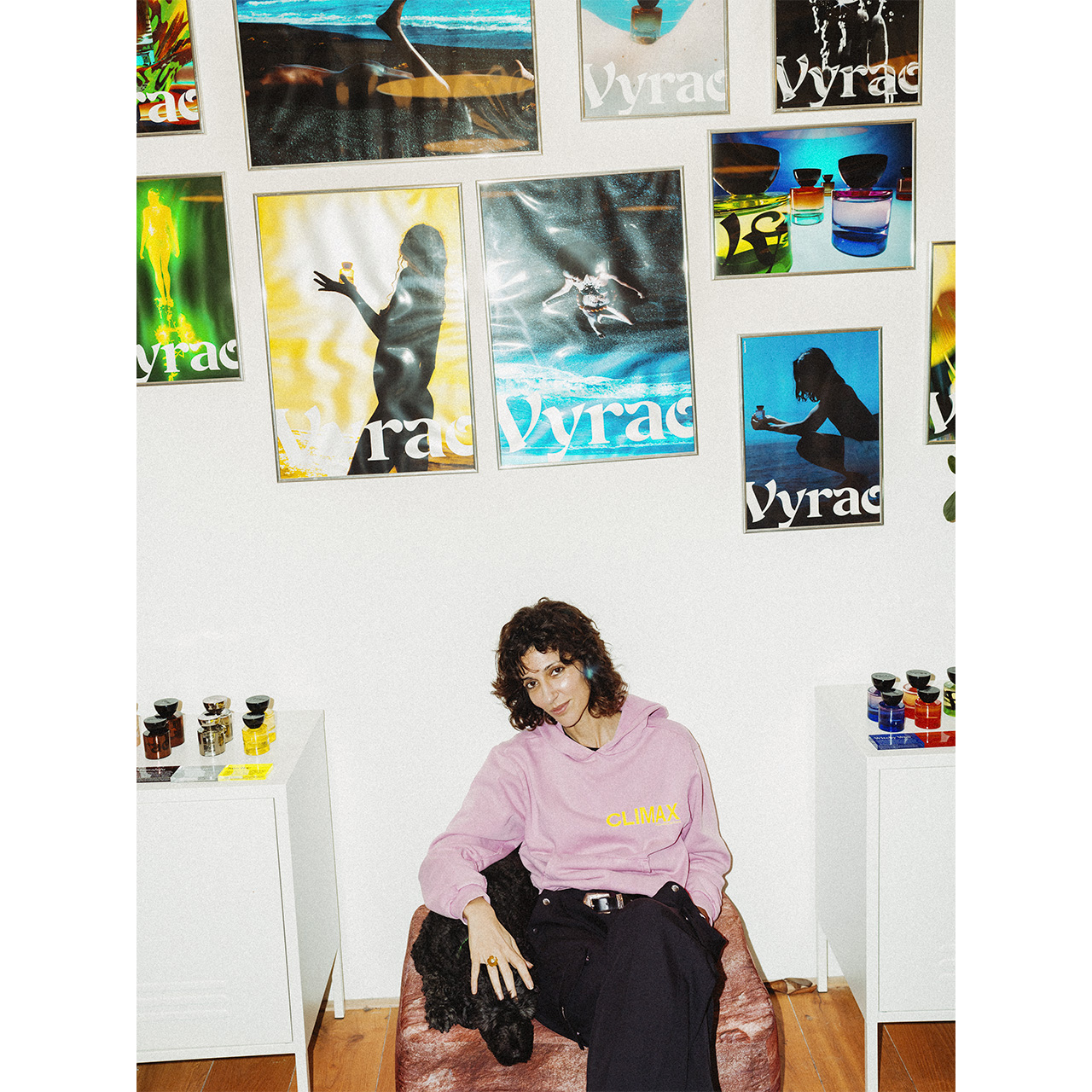
Sixth scents: Yasmin Sewell
|
|
From fashion buyer to perfumier
Yasmin Sewell
Founder, Vyrao
In fashion circles, Australia-born Yasmin Sewell has long been known for her impeccable taste and instinct for what’s new, whether that’s an up-and-coming designer, the colour of the season or a trend that no one else sees coming. This sixth sense helped her to build an impressive CV that features companies such as Browns, Liberty and UK e-commerce giant Farfetch.
Away from the shop floor, however, Sewell was always nurturing her other interests. From an early age, she explored the world of energetic healing and, in 2021, launched Vyrao – a fragrance brand focusing on scents designed to positively influence wearers’ mood. Five years and three investment rounds later, with 10 fragrances to her name, Sewell welcomes Monocle into her London office to talk about turning a personal vision into a thriving business.
For more on Sewell, as well as a Parisian shopkeeper mastering shirt-making, click here.
|
|
• • • • • DAILY TREAT • • • • •
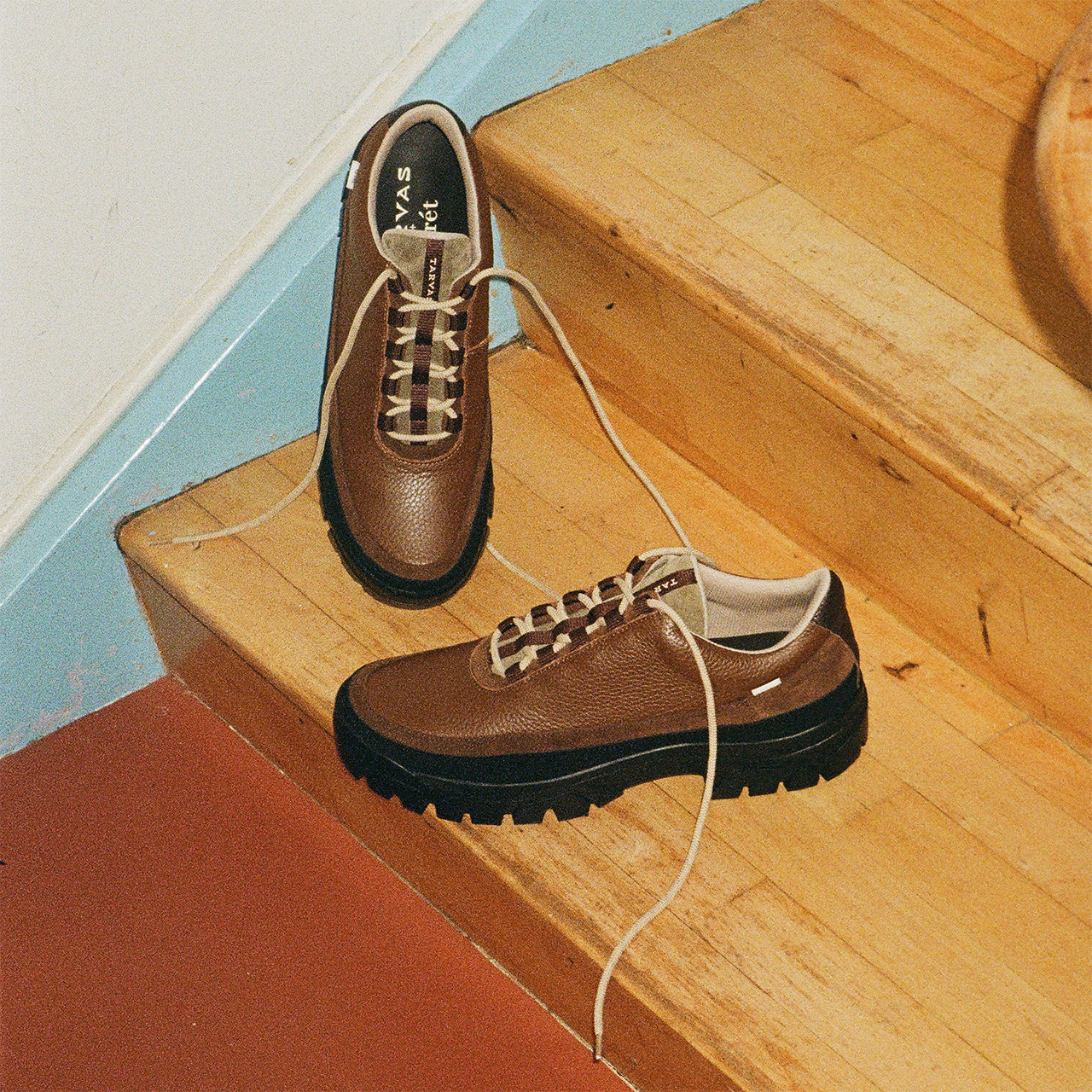
Lace up Tarvas’s all-purpose boots
Finnish boot specialist Tarvas makes sturdy footwear with snowy Nordic climates in mind. The Easy Hiker, co-designed with Danish label Forét, can handle mountain expeditions and city walks with ease.
Crafted in Portugal, the boot combines full-grain water-repellent leather with Tarvas’s signature mudguard and a Vibram sole.
tarvasfootwear.com; foretstudio.dk
|
|
|
Sponsored by Hitachi Energy
|
|
|
|
|
|
FROM MONOCLE.COM: PARIS
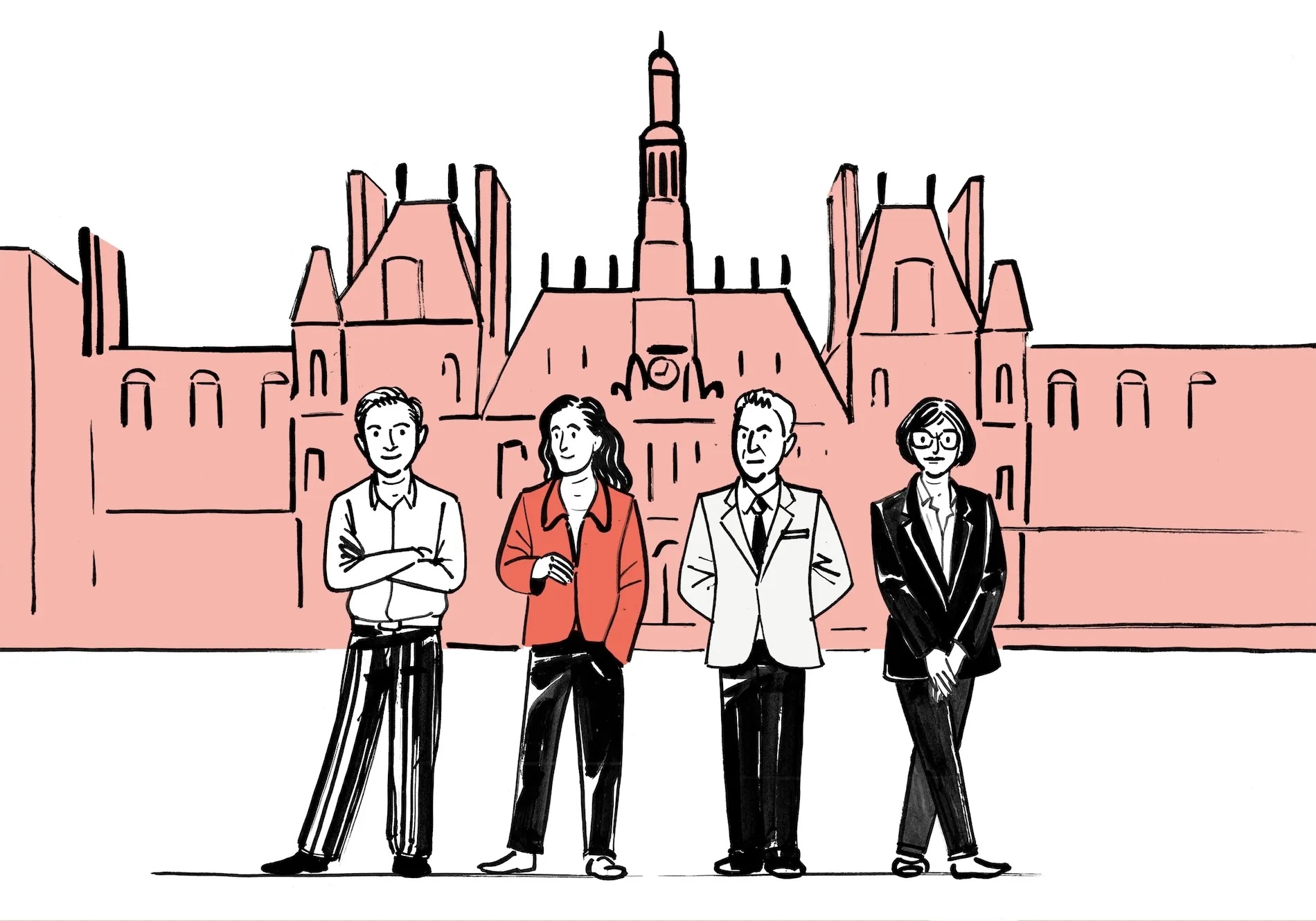
Your guide to the 2026 Paris municipal elections: Who’s in the running for mayor?
Paris’s 2020 municipal elections were a muted affair (writes Augustin Macellari). Voters headed to the polls for the first round on 15 March and, two days later, the coronavirus pandemic sent France into lockdown. When the next round was finally held in June, there were no surprises: the incumbent mayor, Anne Hidalgo, won her second term. It’s often said that in moments of crisis, people stick to the status quo. But this year that’s not an option.
Paris remains a liberal holdout in the face of the far-right’s rise across France – recent polling by Verian for Le Monde indicated a near-even split across the country between those who support Marine Le Pen’s Rassemblement National and those who reject it. But with next year’s presidential elections looming, the result in Paris this March is likely to resonate far beyond Hôtel de Ville. So let’s meet the candidates standing in this year’s elections.
|
|
| | |