Hello!
Today’s newsletter focuses on the connection between environmental justice, race and technology in the United States as residents in predominantly African American areas in Mississippi fight against billionaire Elon Musk’s xAI data centers.
This week, civil rights groups filed a letter of intent to sue xAI over its plans to build an additional gas-fired power plant to power its data centers. Mississippi regulators hosted a public hearing over the scheme on Tuesday where residents expressed their outrage over these plans.
xAI was not immediately available for comment. For context, in June 2024, xAI announced plans to build its Colossus I data center next to Boxtown, a historically Black community in Memphis, Tennessee. Residents discovered that the facility was powered by 35 unpermitted gas turbines, raising concerns about harmful emissions and lack of transparency.
This time, xAI announced plans to build its Colossus II in Whitehaven, Tennessee, a well‑known majority‑Black neighborhood in southwest Memphis. It also announced Colossus III in Southaven, Mississippi, which has a 39% Black population, according to a 2024 Census.
These moves sparked the threat of legal action by civil rights groups. But before we unpack this story further, here are some other major tech and ESG stories that have caught my eye this week: |
|
|
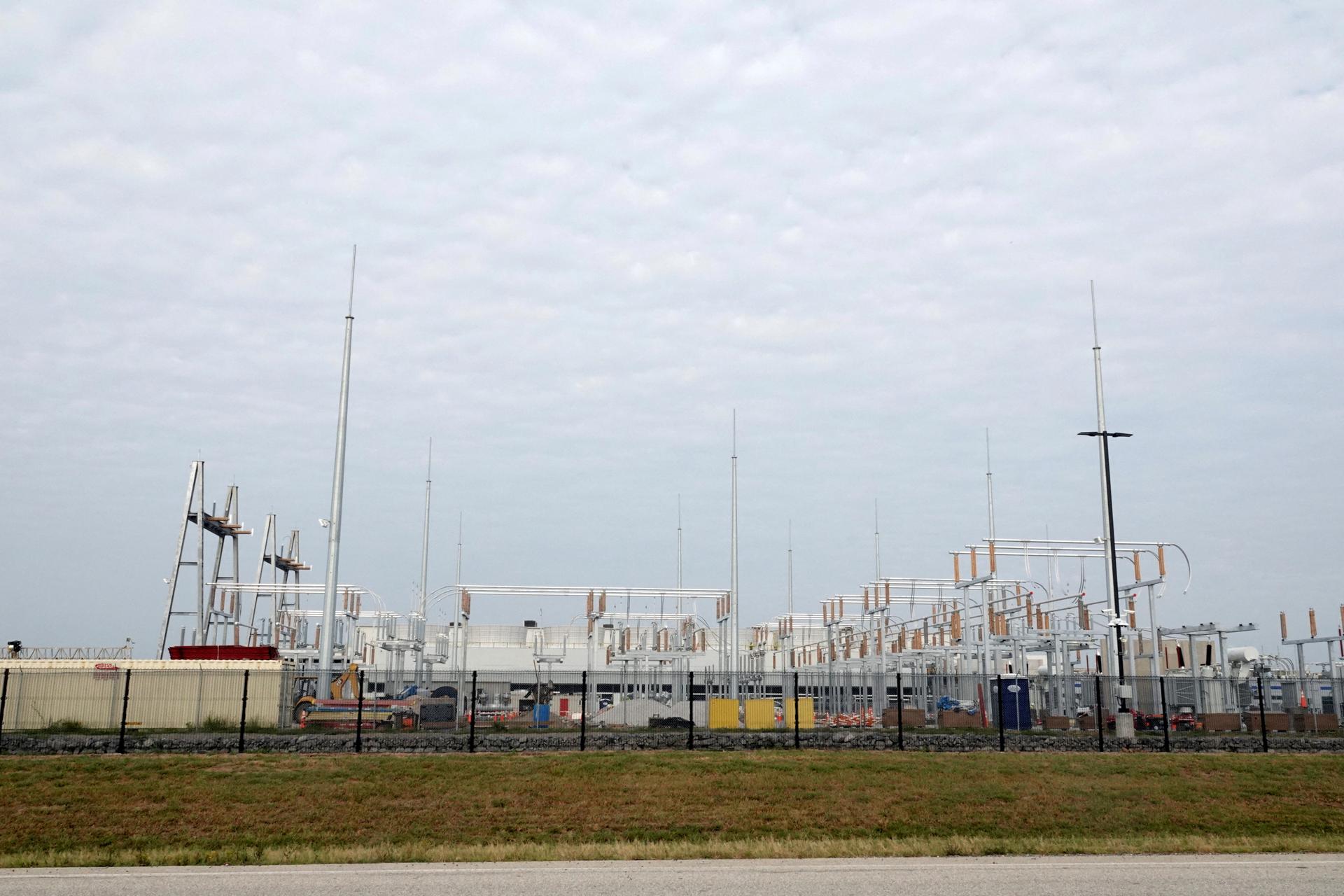
Elon Musk's xAI facility, housing a large supercomputer known as Colossus, used for Artificial Intelligence (AI) data processing, in Memphis, Tennessee, U.S. REUTERS/Karen Pulfer Focht |
Civil rights and environmental groups like the NAACP, Young, Gifted and Green, Memphis Community Against Pollution, and Protect Our Aquifer have raised concerns over harmful emissions, secrecy, and a perceived lack of accountability by both xAI and regulators.
They highlighted Boxtown and southwest Memphis as communities already over‑burdened by industrial pollution back in 2024. In December 2025, xAI announced plans to build another data center which will expand the footprint and total power demand for its Memphis‑area operations close to 2 gigawatts (2 GW).
That amount of energy could power a city the size of Phoenix, Houston or Philadelphia, according to the U.S. Energy Information Administration. It’s a problem as nearby Black communities would be exposed to the pollution burden of energy demand on the scale of a city.
"Pollution from these turbines is worsening and will continue to worsen the already poor air quality in Southaven, Mississippi and the Memphis metropolitan area," the NAACP said in a letter declaring its intent to sue xAI. Click here to read the letter in full.
The NAACP explicitly states that its members live, work, attend church, and recreate in the communities surrounding the turbine site, and that they are “deeply frustrated” that xAI is effectively operating a power plant in their backyard without a Clean Air Act permit.
The letter notes that both Memphis and Southaven received an “F” grade for ozone pollution, and that Memphis is an asthma hotspot, meaning additional nitrous oxide, formaldehyde, and particulate pollution from xAI’s turbines will worsen health burdens in communities already suffering elevated asthma and respiratory illness rates. |
|
|
The NAACP said in its notification letter that it advocates for environmental and climate justice and emphasizes that its members live in the impacted communities in Mississippi and Tennessee, which must be “protected from harmful pollution from fossil fuel combustion.”
The letter notes that southwest Memphis – including Boxtown and surrounding Black neighborhoods – has been “long over‑burdened by industrial emitters” and that regulatory bodies defer to corporate convenience over community health, especially in Black and frontline neighborhoods.
It’s important today as the United States President Donald Trump and his administration have been cracking down on diversity, equity and inclusion and civil‑rights protections.
The administration has curbed diversity programs and policies and targeted museum and educational content on slavery that it deems "anti-American." It has also supported restoring monuments honoring the Confederate South, such as memorials to leaders who fought to preserve slavery in the American Civil War. Advocates warn the steps could erase decades of progress.
Such progress was made by civil rights leaders such as Jesse Jackson, who helped dismantle segregationist systems and broaden political participation for Black Americans and other marginalized communities. Click here for a moving tribute about Jackson’s life and impact by Reuters race and justice team. |
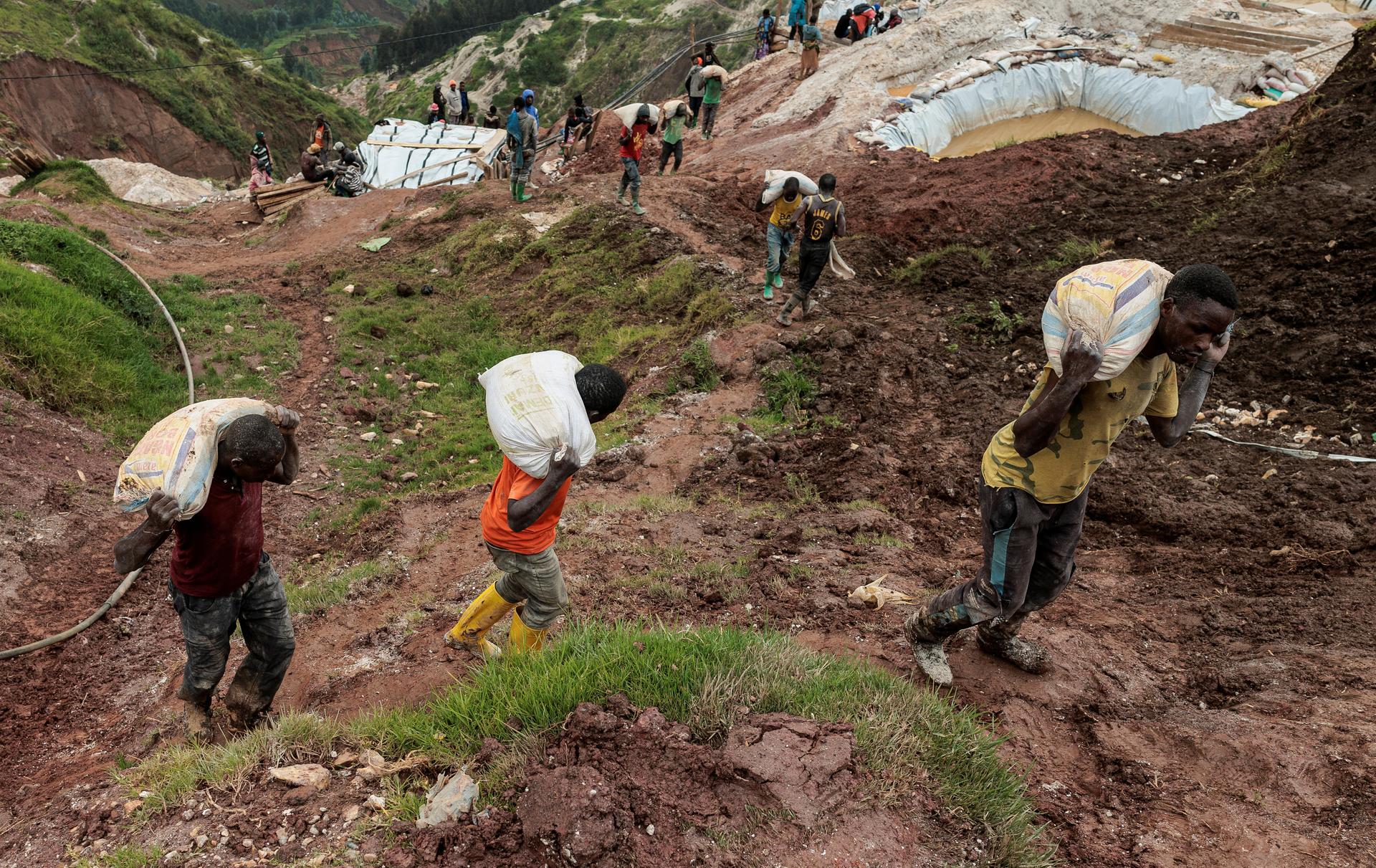
Labourers carry sacks of ore at the Rubaya coltan mine, town of Rubaya, which is controlled by M23 rebels, in the eastern Democratic Republic of Congo. REUTERS/Zohra Bensemra |
-
DR Congo mines: The Democratic Republic of Congo has added the rebel-held Rubaya coltan mine – one of the world's richest sources of tantalum – on a shortlist of strategic assets it is offering to the U.S. under a minerals cooperation framework, a government document seen by Reuters shows. The move could give Washington access to highly sought, heat‑resistant tantalum used in semiconductors, aerospace parts and electronics. Click here for the full exclusive Reuters story.
-
Endangerment finding: This week, a coalition of health and environmental groups sued the Trump administration over its decision to revoke the scientific finding that forms the basis of U.S. climate regulations. Additionally, California and Connecticut are working together on a multi-state "plan of attack" against President Donald Trump's repeal of the foundation of federal climate regulation of vehicles, the states' attorneys general told Reuters.
-
UN Human Rights v Epstein: Everyone with an internet connection has been glued to their screens sifting through information about the late sex offender Jeffrey Epstein, including the United Nations Human Rights Council. The Council’s panel of independent experts said that the millions of files related to Epstein suggest the existence of a "global criminal enterprise" that carried out acts meeting the legal threshold of crimes against humanity including supremacist beliefs, racism, corruption and extreme misogyny. Click here for more.
-
UN Human Rights and Sudan: Sticking with the UN, its human rights chief Volker Turk expressed alarm following reports of more than 50 civilians, including at least 15 children, being killed in drone strikes in Sudan in two days in the last week. Turk said the killings were a reminder of the devastating consequences of drone warfare in Sudan, with civilians and civilian infrastructure targeted.
-
Board of Peace: U.S. President Donald Trump will preside over the first meeting of his Board of Peace on Thursday. Senior U.S. officials said Trump will announce that participating countries have raised $5 billion for the reconstruction fund as several nations are planning to send thousands of troops to participate in an International Stabilization Force that will help keep the peace in Gaza.
|
|
|
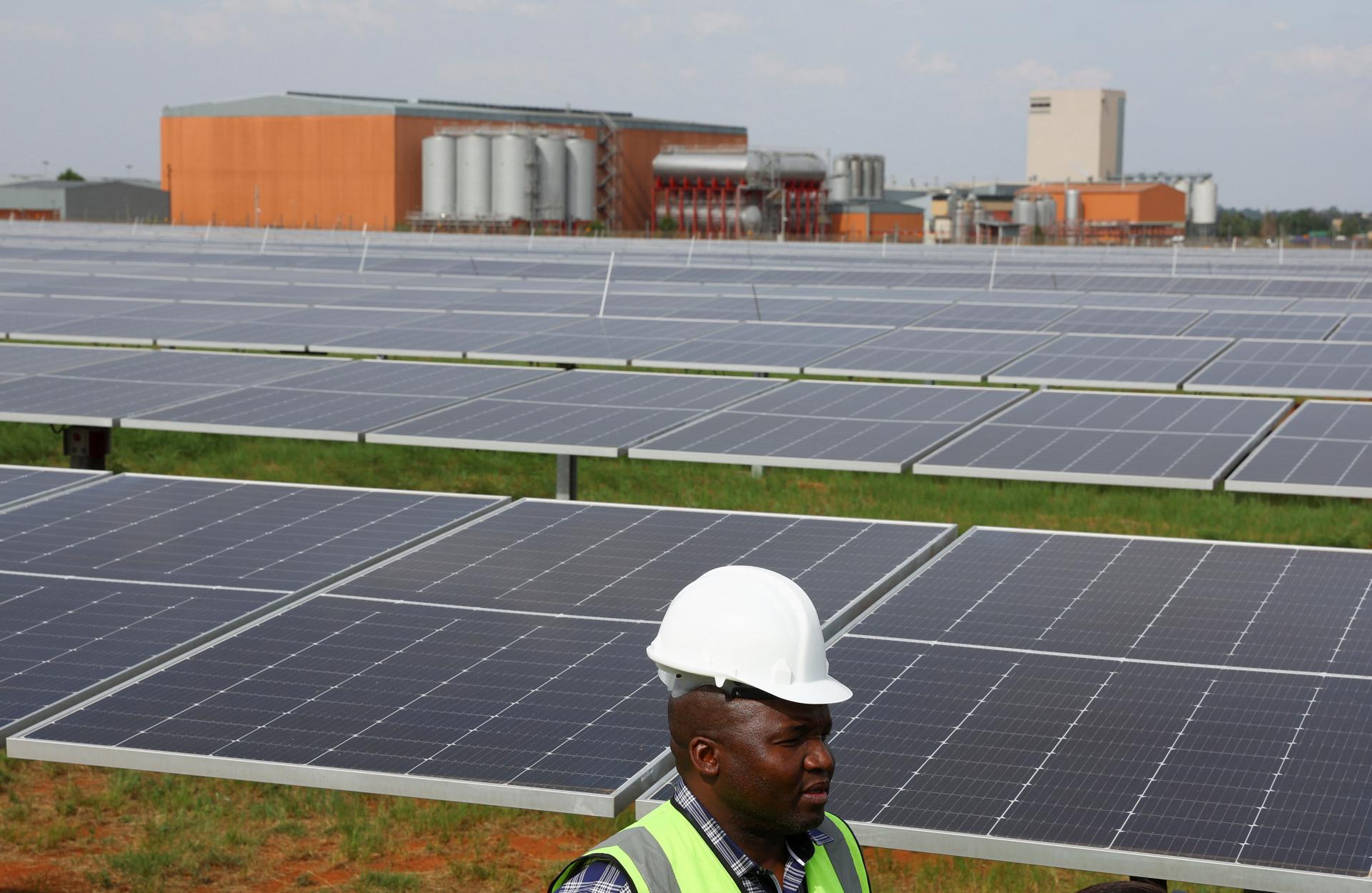
A large solar power plant powering the South African arm of Heineken at the company's Sedibeng, Midvaal brewery. Johannesburg, South Africa. REUTERS/Siphiwe Sibeko |
Today’s spotlight highlights Africa’s expanding role in the global clean‑energy transition, as Austria looks to boost its renewable power and diversify gas supplies by partnering with African producers.
Elisabeth Zehetner, Austria's state secretary for energy told Reuters that the nation is seeking to expand renewable energy and increase gas imports from Africa to avoid becoming overly dependent on U.S. liquefied natural gas as Europe reshapes its energy supply. |
|
|
Sustainable Switch was edited by Jane Merriman. |
|
|
|