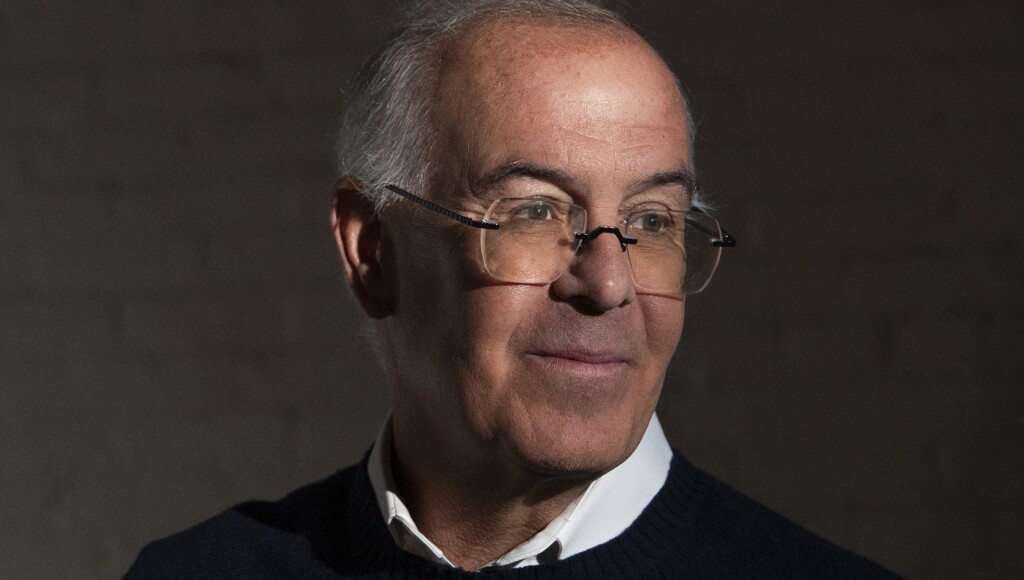
For more than two decades, David Brooks has been a fixture of The New York Times opinion page — “the kind of conservative writer that wouldn’t make our readers shriek and throw the paper out the window,” as one Times editor put it when Brooks was hired. A temperamental moderate with a knack for affectionately mocking the elite, Brooks trafficked in wry bemusement rather than moral prescription. In a classic 2001 article in The Atlantic, he trained his eye on “organization kids” — the apolitical, hyperstriving careerists of the Ivy League, whom Brooks regarded as both inordinately obsessive about grabbing the next brass ring and oddly incurious about life’s deeper questions. These students prioritized the cultivation of what Brooks calls résumé virtues at the expense of eulogy virtues, the qualities you hope to be remembered for at your funeral. While he plainly felt something had gone awry, he struck a pose of cocked-eyebrow observer rather than finger-wagging scold.
In the years since, his critique of elite higher education has taken on a sharper tone. In his 2024 Atlantic cover story, “How the Ivy League Broke America,” his target isn’t the psychological malformation of elites, but the entire system that’s anointed their rise. Our method of sorting and sifting via college admissions is bad for higher education and bad for the country, Brooks argues. The architects of the American meritocracy dreamed of a world of “class-mixing and relative social comity; we ended up with a world of rigid caste lines and pervasive cultural and political war. ... We ended up with President Trump.”