| | Nations react to the US Supreme Court’s ruling against Donald Trump’s tariffs, rancor between Ukrain͏ ͏ ͏ ͏ ͏ ͏ |
| |  | Flagship |  |
| |
|
The World Today | 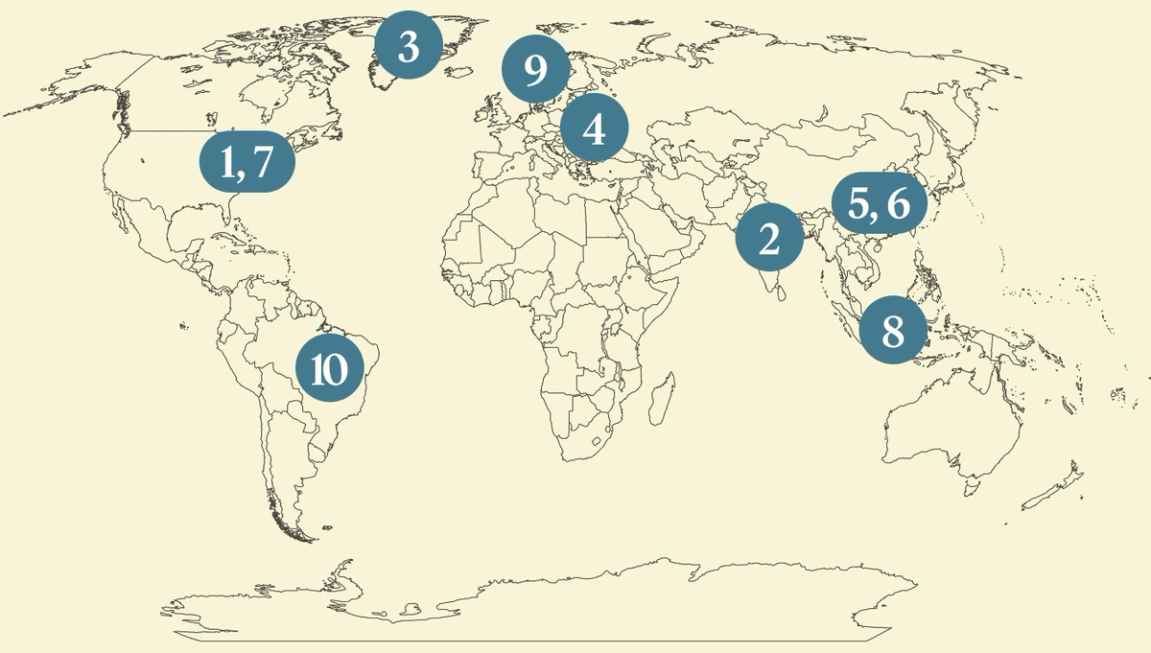 - Court dents Trump’s leverage
- Tariff ruling spurs uncertainty
- Trump’s latest Greenland offer
- Budapest-Kyiv spat intensifies
- Wall Street’s analog bets
- Private equity’s China woes
- Vaccine makers ailing
- Coffee prices change habits
- Norway dominates Olympics
- Invasive mussels in Amazon
 A book dissects the competing narratives on globalization. |
|
Tariff ruling weakens Trump’s leverage |
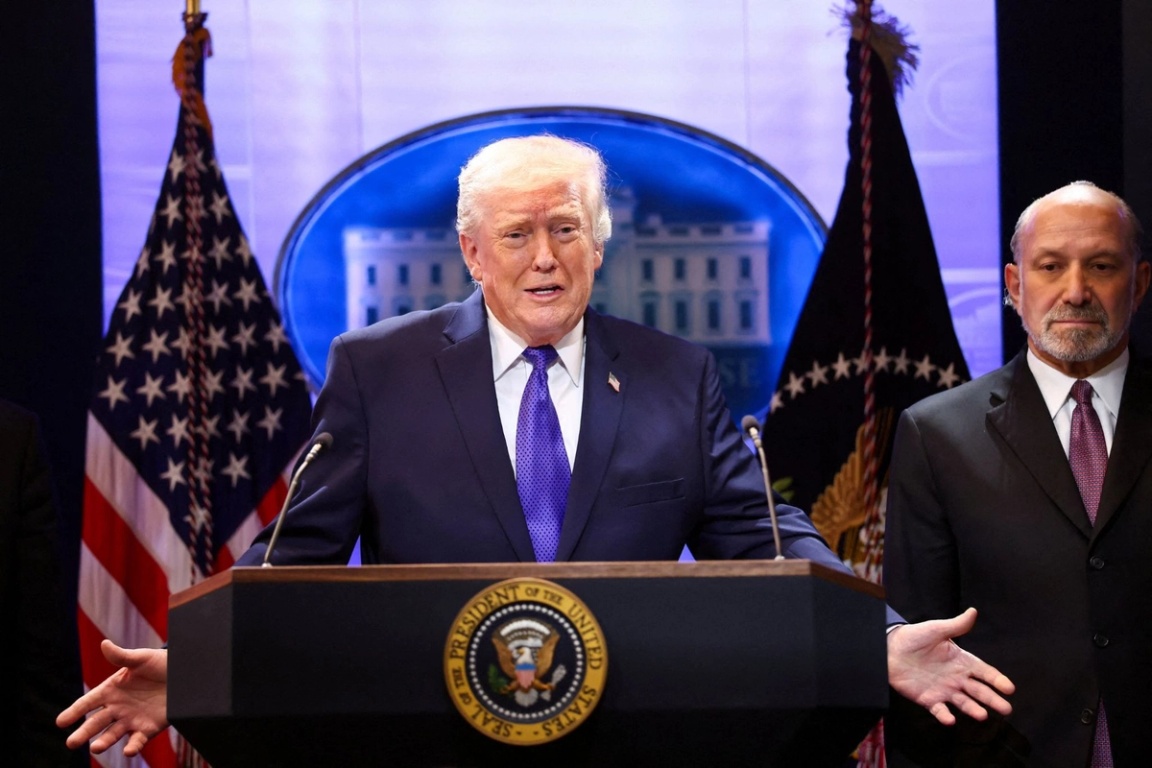 Kevin Lamarque/Reuters Kevin Lamarque/ReutersThe US Supreme Court’s ruling striking down most of President Donald Trump’s tariffs marks a major setback for his economic agenda and weakens his ability to wield the duties as a geopolitical cudgel, analysts said. Shortly after Friday’s decision that Trump can’t use emergency powers to impose the duties, he announced a new across-the-board 10% duty, effective for 150 days — and later raised it to 15%. Trump’s determination to embrace tariffs comes even as Americans have largely soured on them; the levies also haven’t fueled a resurgence in US manufacturing, one of Trump’s stated goals. Companies that raised prices because of tariffs are unlikely to immediately reduce them because of the ruling, experts said, as rates remain uncertain. |
|
Uncertainty abounds after US tariff ruling |
 Mike Blake/Reuters Mike Blake/ReutersWorld governments had a muted reaction to the US Supreme Court ruling against President Donald Trump’s tariffs, as they await clarity on Washington’s trade policy. Indian officials reportedly postponed a US trip that was set for this week to finalize the countries’ trade pact. US officials insisted existing deals would remain in place — which puts countries like Japan, Indonesia, and South Korea in a tough spot, given that they made significant concessions in exchange for lower US import duties. “Do you renegotiate and drive a harder bargain since Trump’s leverage is diminished? Or keep what you have to avoid retaliation?” a geopolitical consultant said. Some countries were quick to note their US deals had never been officially ratified. |
|
Denmark rejects US hospital boat offer |
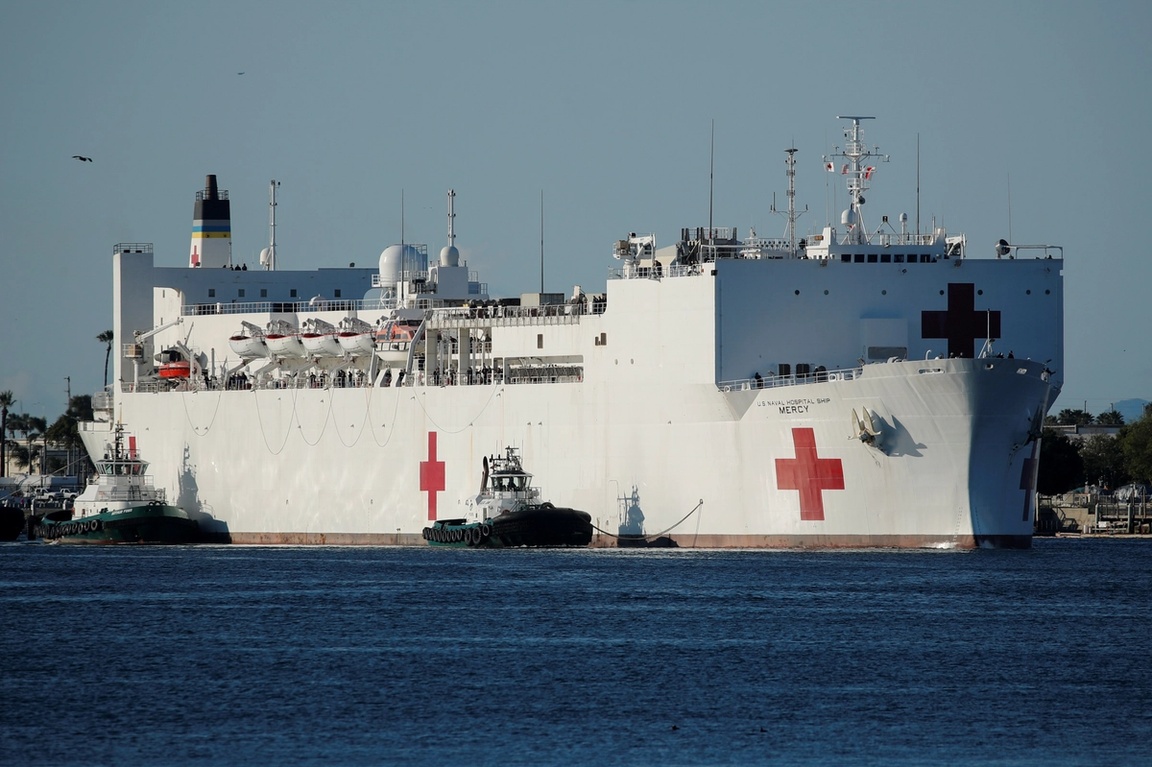 The USNS Mercy, a US hospital ship, in 2020. Mike Blake/Reuters The USNS Mercy, a US hospital ship, in 2020. Mike Blake/ReutersDenmark on Sunday rejected US President Donald Trump’s plan to send a “great hospital boat” to Greenland, the autonomous territory he has sought to acquire. Trump said the vessel would help people on the island access health care. Danish officials responded by noting that Greenlanders have access to Denmark’s free, nationalized health system. The president’s offer reflected his efforts to assert more control over Greenland, which Trump has cast as crucial to American national security in the Arctic. It prompted “befuddlement on both sides of the Atlantic,” The Washington Post wrote, given that maritime tracking data showed no US hospital ship positioned to sail to Greenland. |
|
Ukraine-Hungary dispute escalates |
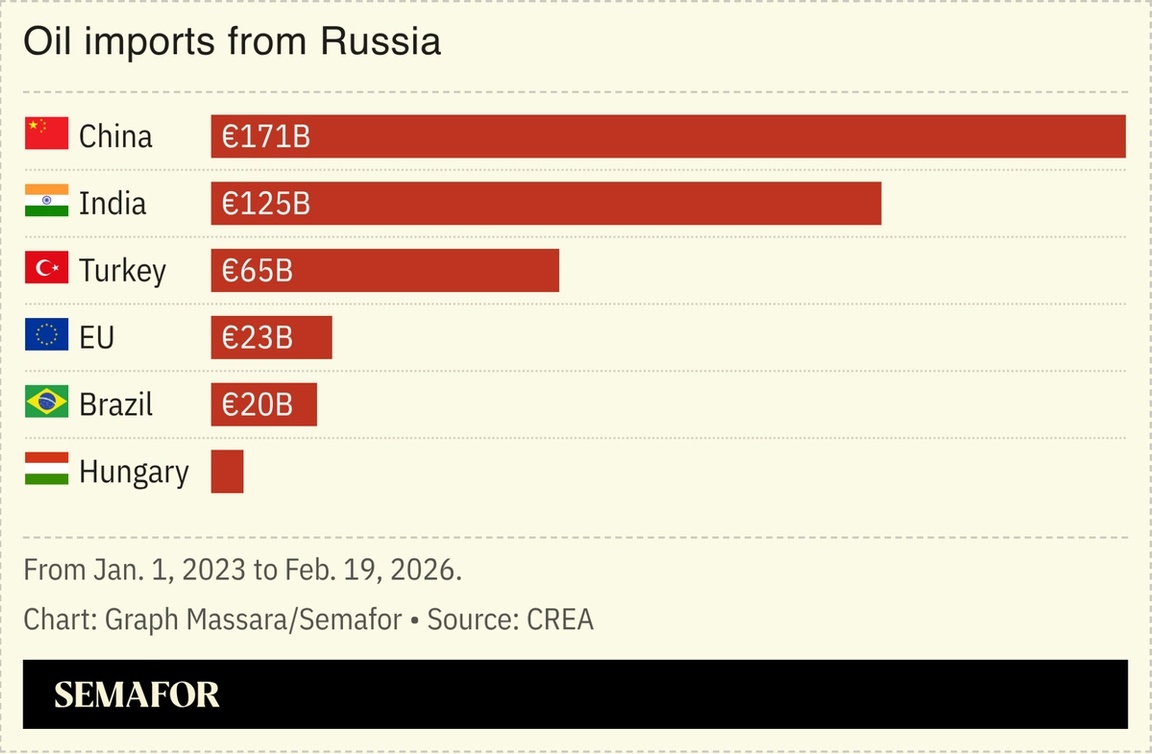 Hungary vowed to block the latest round of EU sanctions against Moscow unless Ukraine restarts Russian oil flows to Hungary and Slovakia, escalating a dispute just before the war’s four-year anniversary. Hungary and Slovakia are the EU’s only nations that rely heavily on Russian oil shipped through the Druzhba pipeline over Ukraine. Budapest and Bratislava have also threatened to stop electricity supplies to Ukraine over the issue: Kyiv condemned what it described as “ultimatums and blackmail.” Hungarian Prime Minister Viktor Orbán, one of Vladimir Putin’s top European partners, has previously threatened to scuttle EU efforts to penalize the Kremlin. Tensions between Brussels and Budapest have escalated ahead of Hungary’s elections this spring. Orbán has made anti-Ukraine messages central to his campaign. |
|
Wall Street’s HALO trade ramps up |
 Steve Marcus/Reuters Steve Marcus/ReutersBurgers and tractors are winning out on Wall Street as investors gravitate toward stocks that seem least exposed to AI disruption. An “AI immunity trade,” or HALO — “heavy assets, low obsolescence” — has taken hold after new tech tools in recent weeks pushed down stocks in software and adjacent sectors. Companies like McDonald’s and John Deere have risen, The Wall Street Journal wrote — firms you “cannot type something in a prompt and disrupt,” a wealth management executive said. But the trend isn’t playing out everywhere: In China, investors are bullish on AI’s impact on the tech sector, Bloomberg noted. The market is focused on “what AI can aid rather than what it can take away from incumbents,” a strategist said. |
|
Private equity exits difficult in China |
 Maxim Shemetov/Reuters Maxim Shemetov/ReutersMajor private equity firms are finding it difficult to sell Chinese companies in their portfolios, reflecting the challenging business environment of the world’s second-largest economy. Ten of the biggest buyout firms with Chinese investments, including KKR and Blackstone, reported zero complete divestments from Chinese firms in 2025, the Financial Times reported. It’s part of a global trend — PE has broadly struggled to cash out of earlier investments thanks in part to higher interest rates — but China’s market remains particularly tough because depressed valuations and a lack of willing buyers have created a liquidity crunch. But there are signs of a breakthrough this year, as AI enthusiasm and a strong Hong Kong IPO market create more exit openings for smaller stakes. |
|
 Hannah Beier/Reuters Hannah Beier/ReutersVaccine skepticism in the Trump administration has chilled the industry, The New York Times reported. Vaccine manufacturers have cut jobs and reported lower sales: The stock price of Moderna, maker of mRNA vaccines, has plummeted 90% over the last five years. Health Secretary Robert F. Kennedy Jr. in 2021 falsely called COVID vaccines “the deadliest ever made,” and his department has reduced the number of childhood immunizations it recommends. It also recently refused to review Moderna’s new mRNA flu vaccine but later reversed that decision. Federal data shows that childhood vaccinations have fallen over time: Nationwide MMR vaccination rates are below the 95% needed for herd immunity, and in some states are as low as 78.5%. |
|
 This April, Maverick Carter, CEO of Fulwell Entertainment, will join global leaders at Semafor World Economy — the premier convening for the world’s top executives — to sit down with Semafor editors for conversations on the forces shaping global markets, emerging technologies, and geopolitics. See the first lineup of speakers here. |
|
High coffee prices change habits |
 Alexandre Meneghini/Reuters Alexandre Meneghini/ReutersSome US coffee lovers are changing their routines as prices rise. Yields in Brazil, Indonesia, and Vietnam have been hit by poor weather, and as a result, prices in January were up 18.3% from a year ago and up 47% over five years. Accordingly, many consumers told The Associated Press they were reducing their coffee consumption or were brewing at home instead of buying coffee at a cafe. The price volatility is hitting producers worldwide: Coffee represents 30% of Ethiopia’s exports, and erratic rainfall and rising temperatures have reduced harvests there too. Climate change is likely to worsen the problem, with almost 50% of existing coffee-growing areas expected to be unproductive by 2050, with estimates close to 90% for Latin America. |
|
Norway cleans up at Winter Olympics |
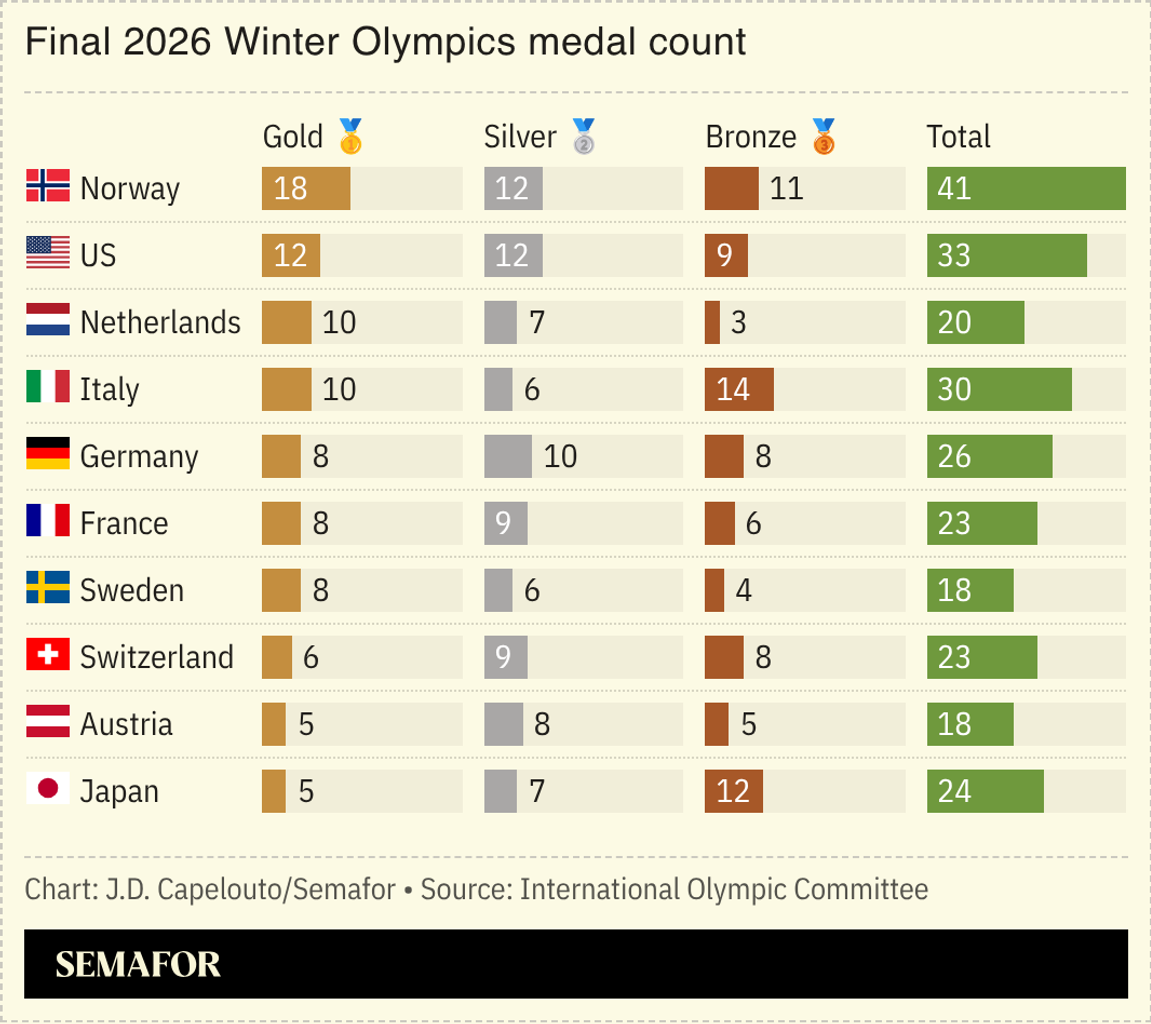 Norway extended its Winter Olympic dominance this year, departing Italy with the most golds and highest total medal count. The tiny country racked up the hardware by winning the most events on snow, namely skiing: Cross-country skier Johannes Klæbo won a record six golds. The Netherlands, meanwhile, cleaned up on ice rink-based events, while Japan excelled in events with judging involved, a New York Times analysis showed. Still, Norway’s wins were a welcome spurt of good news for the country after a slew of scandals: The Norwegian crown princess is under fire after the Jeffrey Epstein files revealed her close relationship with the sex offender. And her adult son is on trial on rape charges. |
|
|


