|
 |


People do what they’re rewarded for.
Charlie Munger understood this better than almost anyone else:
"Never, ever, think about something else when you should be thinking about incentives." - Charlie MungerLet’s dive into incentives and why they’re so powerful.
 |
Understanding Behavior
Albert Einstein said that not everything that can be counted counts, and not everything that counts can be counted.
In the stock market, a lot can be counted:
Sales
Profits
Debt levels
Returns on investment
But in business, some important things can’t be measured.
You can't calculate the quality of a CEO with a spreadsheet.
You can't quantify culture.
There’s no formula to calculate integrity.
But these things determine the long term success or failure of a business.
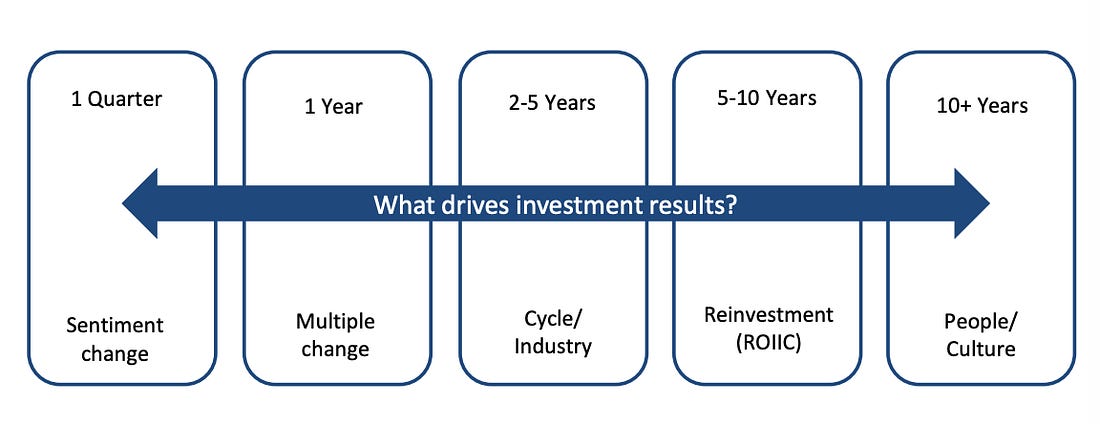 |
Luckily for investors, there’s an easy way to understand how humans will behave.
Incentives.
Let’s look at some examples to see how they work.
How incentives work
Xerox
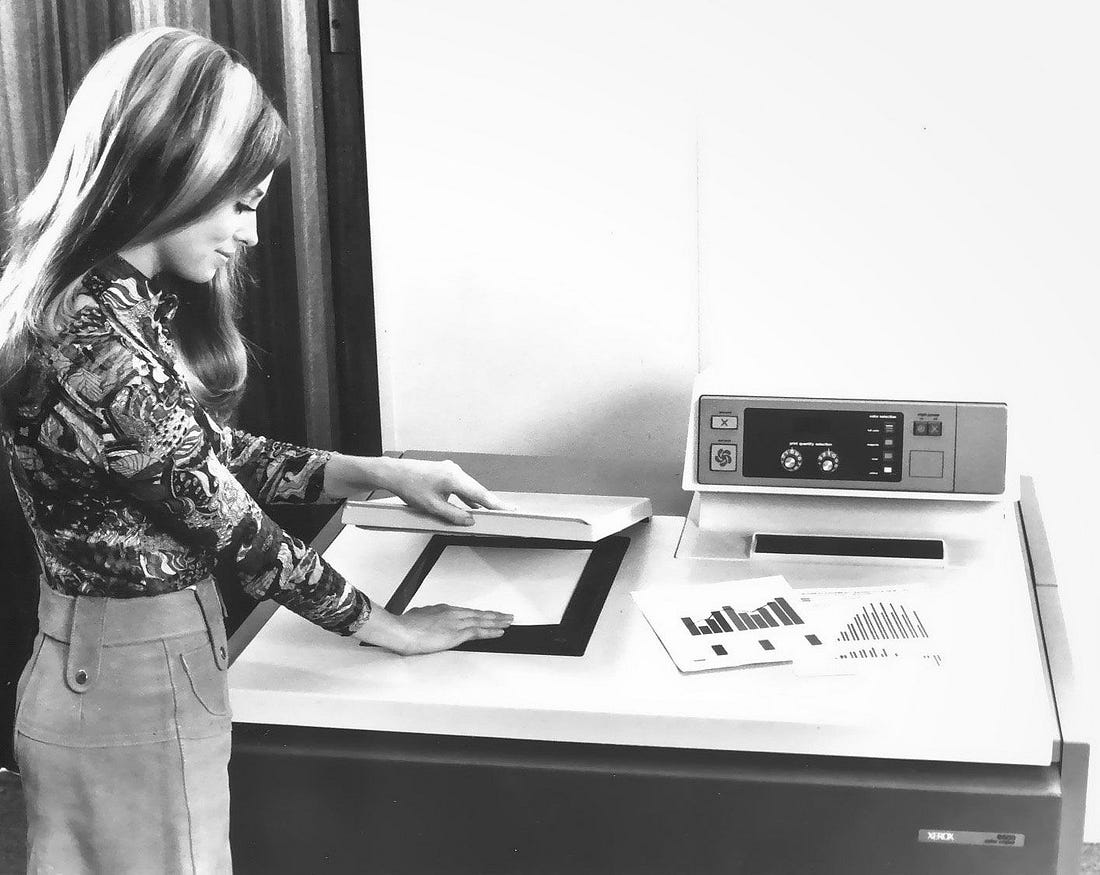
Early on, Xerox only sold two products:
An older, inferior machine
A newer, more advanced machine
 |
Which one do you think would sell the most?
It turns out that the inferior machine sold way better.
The reason?
Incentives.
Salespeople got paid way more for selling the old product compared to the new one.
You will always get more of what you reward.
In this case, Xerox was rewarding the wrong thing.
Another business that rewarded the wrong things? Uber.
Uber
In the 2010s, Uber rewarded its drivers for the number of rides completed.
Sounds reasonable, but think about what Uber was really rewarding:
Going faster
Driving more aggressively
Not taking time to clean up after the last ride
Uber got a lot of complaints from customers about safety issues.
As a result, drivers are now rewarded based on customer ratings & safety.
With just one change in incentives, the cars are cleaner, the drivers are polite, and you have a safe ride.