| | The German chancellor walks a tightrope in Beijing, Nvidia reports strong earnings, and Harvard’s La͏ ͏ ͏ ͏ ͏ ͏ |
| |  | Flagship |  |
| |
|
The World Today | 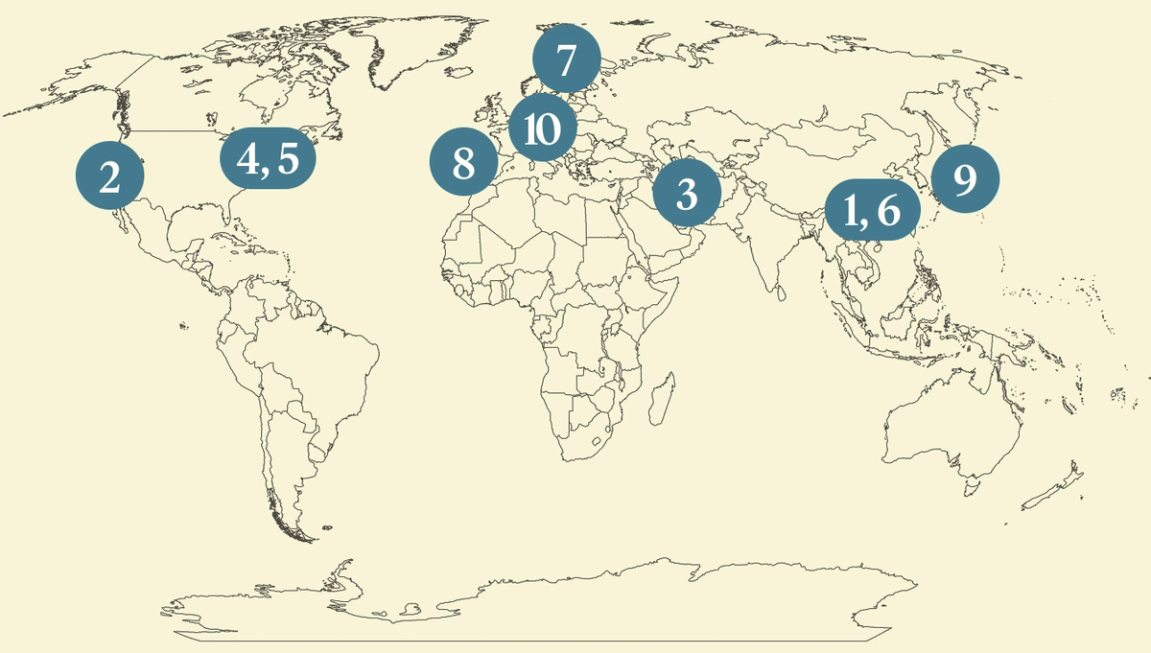 - Merz’s China tightrope
- Nvidia’s strong earnings
- Iran threatens escalation
- Trump vilifies Democrats
- Epstein’s academia ties
- US-China robotics race
- Orbital space launches
- RIP first undersea cable
- RIP American coolness
- Stone Age ‘writing’
 A case for taking reality television seriously. |
|
Merz’s balancing act in China |
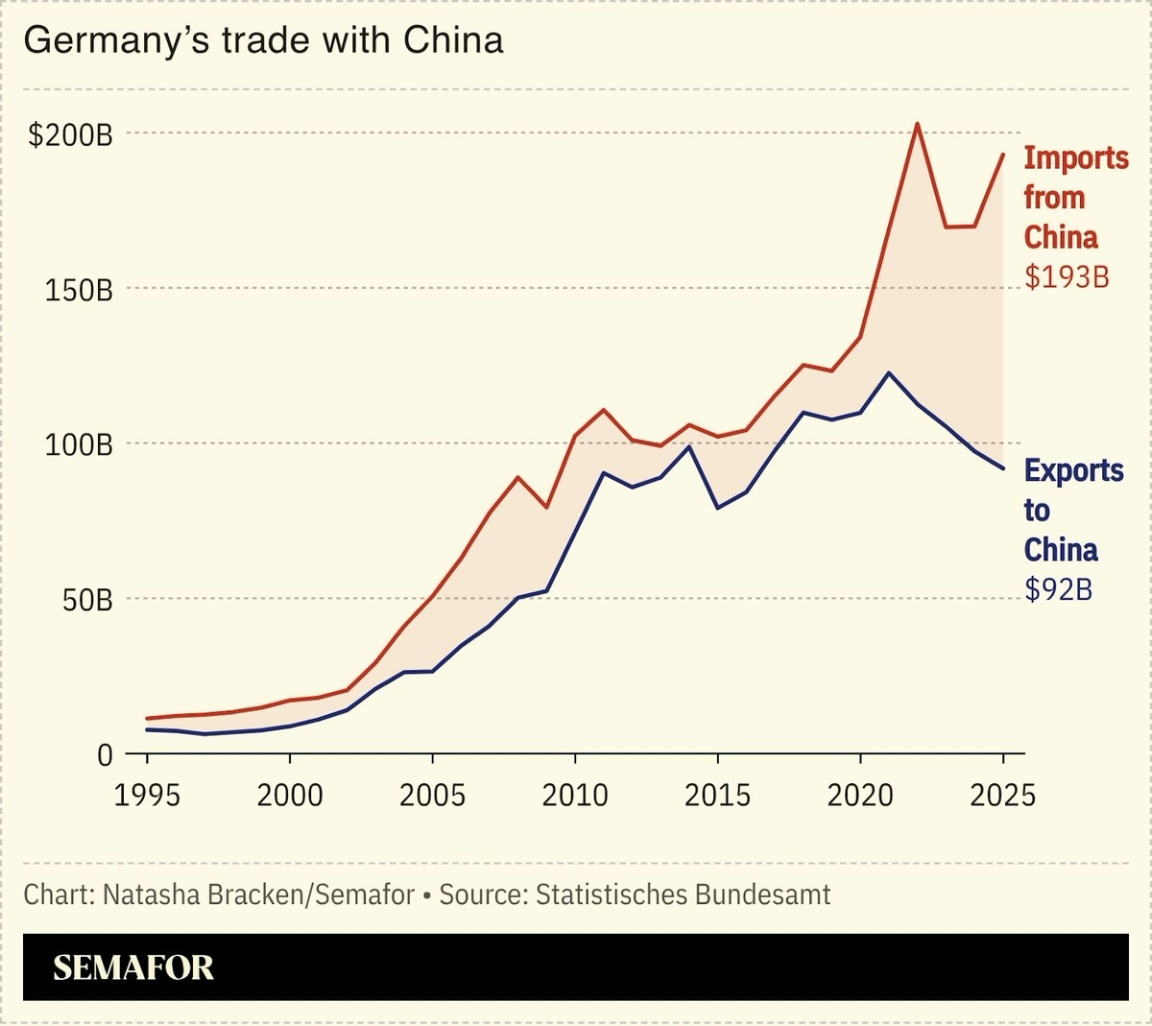 Germany’s chancellor called on China to correct the countries’ growing trade imbalance, as he walks a tightrope of strengthening diplomatic ties with Beijing while trying to manage its economic heft. Friedrich Merz arrived in Beijing on Wednesday with “an outstretched hand and a list of complaints,” The New York Times wrote: Berlin is concerned about what it sees as an undervalued yuan, unfair subsidies, and overcapacity from Chinese exporters. But reducing dependence on China is difficult for Germany, whose industries have invested massively in the Chinese market, analysts said. From Beijing’s perspective, “it’s Europe that should be making the concessions and seeking closer economic support from China because it’s in a weak position,” one expert said. |
|
Nvidia reports strong earnings |
 Ann Wang/Reuters Ann Wang/ReutersNvidia reported stronger-than-expected earnings on Wednesday, possibly calming a jittery market. The figures came as investors appear increasingly anxious about both the demand for AI amid massive spending from tech giants, and how the tech’s widespread use could upend industries like software. Nvidia’s stock rose Wednesday in anticipation of a strong report; asset managers noted that the market’s response is unpredictable given investors’ nerves. The world’s most valuable company has seen 11 straight quarters of year-on-year revenue growth above 55%; analysts expect the streak to continue as tech giants plan to put up to $700 billion toward AI investment this year — a large chunk of which will go to Nvidia. |
|
US, Iran set for last-ditch nuclear talks |
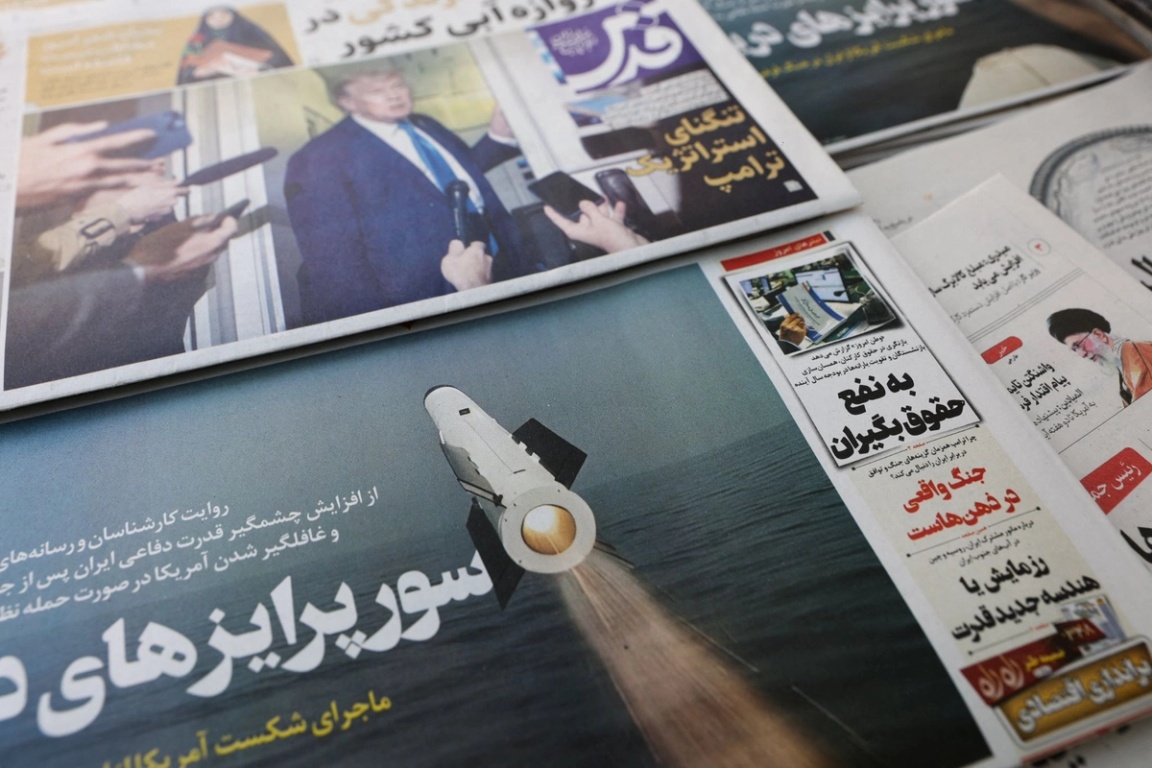 Majid Asgaripour/WANA via Reuters Majid Asgaripour/WANA via ReutersIran threatened to escalate any conflict if the US attacked, ahead of nuclear talks in Geneva on Thursday. Washington is ramping up pressure on Tehran, amassing aircraft and warships in the Middle East, and sanctioning more than 30 entities that support Iranian oil and weapons sales. The US sees Thursday’s talks as a last-ditch attempt to find a diplomatic off-ramp; if unsuccessful, Trump is considering limited strikes, potentially followed by a larger attack aimed at regime change. But Tehran hasn’t yet capitulated to US pressure, and if a nuclear deal isn’t reached, the regime would rather sustain a limited military attack and “emerge battered but defiant,” The Times of Israel’s founding editor wrote. |
|
SOTU previews midterm fight |
 Kenny Holston/Pool via Reuters Kenny Holston/Pool via ReutersUS President Donald Trump’s vilification of Democrats in Tuesday’s State of the Union address could backfire by complicating efforts to get bipartisan support for key components of his agenda, commentators said. Trump called Democrats “sick people” and said they are “destroying our country” — attacks that show “clearly he’s not interested” in compromise, one Democratic senator said. That could hinder the president’s push for laws aimed at lowering housing and drug prices, issues central to Trump’s pitch to voters that he is bringing costs down ahead of this year’s midterm elections, Semafor’s Washington team reported. The official Democratic response to Trump’s address previewed the coming electoral fight over affordability. |
|
Epstein saga ensnares academia |
|
US officials to convene robot makers |
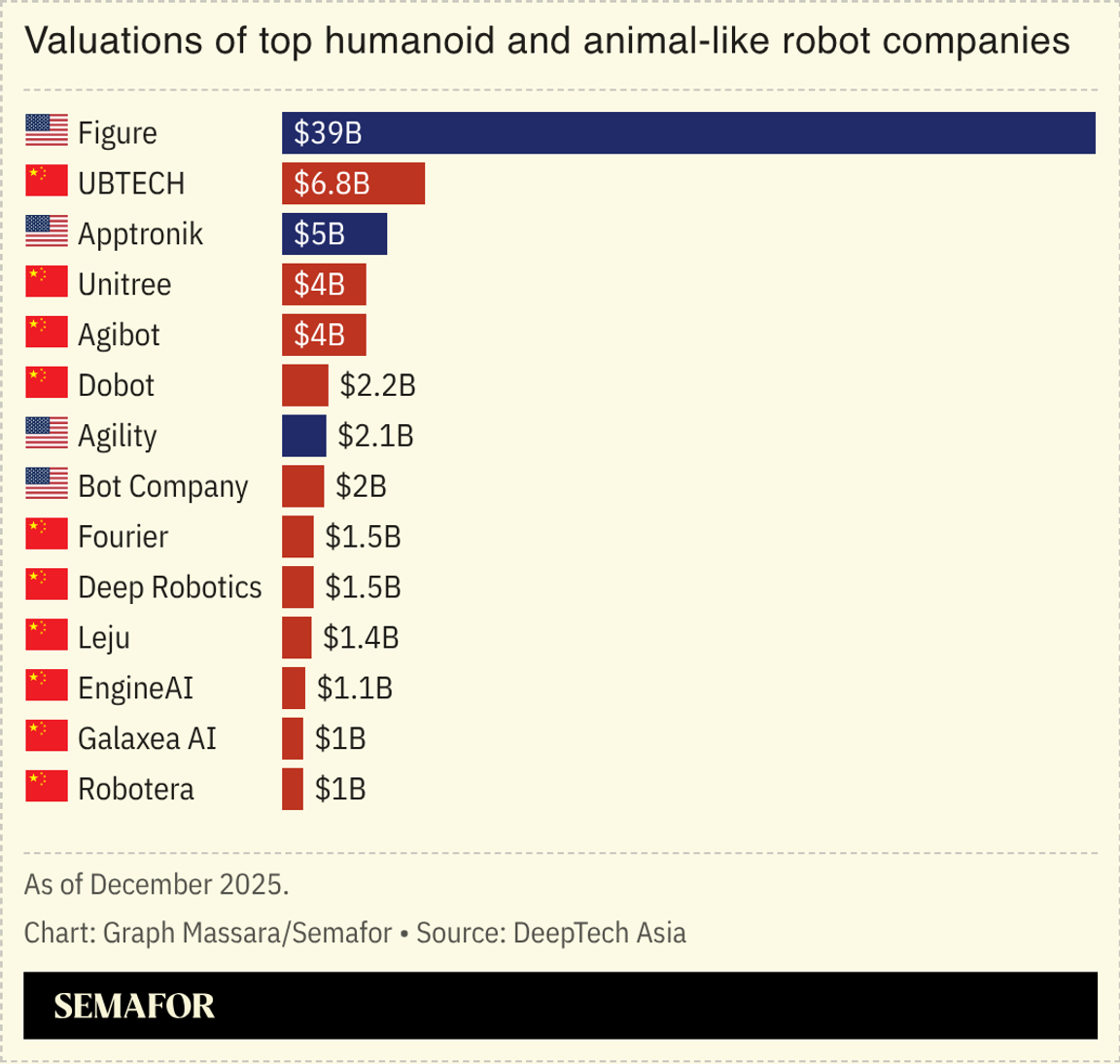 The US government is convening American robot manufacturers for a roundtable next month as it looks to bolster the domestic industry in the face of Chinese competition, Flagship’s J.D. Capelouto reported. Robotics is emerging as a major front in the US-China tech war, and some American firms have called on the government to do more to help thwart Beijing, which is making robotics a national priority. But the race is still in its infancy: China installs factory robots at a faster pace than the US, but their tech hasn’t yet gotten a significant foothold in the American manufacturing ecosystem. And while China’s dancing humanoids recently garnered global attention, such demonstrations don’t reliably translate into actually useful tasks, analysts note. |
|
Europe eyes orbital launches in Arctic |
 SSC Space SSC SpaceEuropean space companies are racing to build launch sites, especially in the north. The European Space Agency’s French Guiana base can only handle around a dozen launches annually, and Russian sites are geopolitically off limits, so Europe relies heavily on the US. But launch demand is up, and shipping rockets thousands of miles is challenging. Arctic spaceports in Norway and Sweden have carried out sub-orbital launches for decades, but are preparing for full-scale orbital launches, the BBC reported. A base in northern Scotland is also being prepared. For most satellites, equatorial launches are best as it gives a speed boost, but for pole-to-pole orbits, bases in high latitudes are helpful because they reduce east-to-west motion that needs to be corrected. |
|
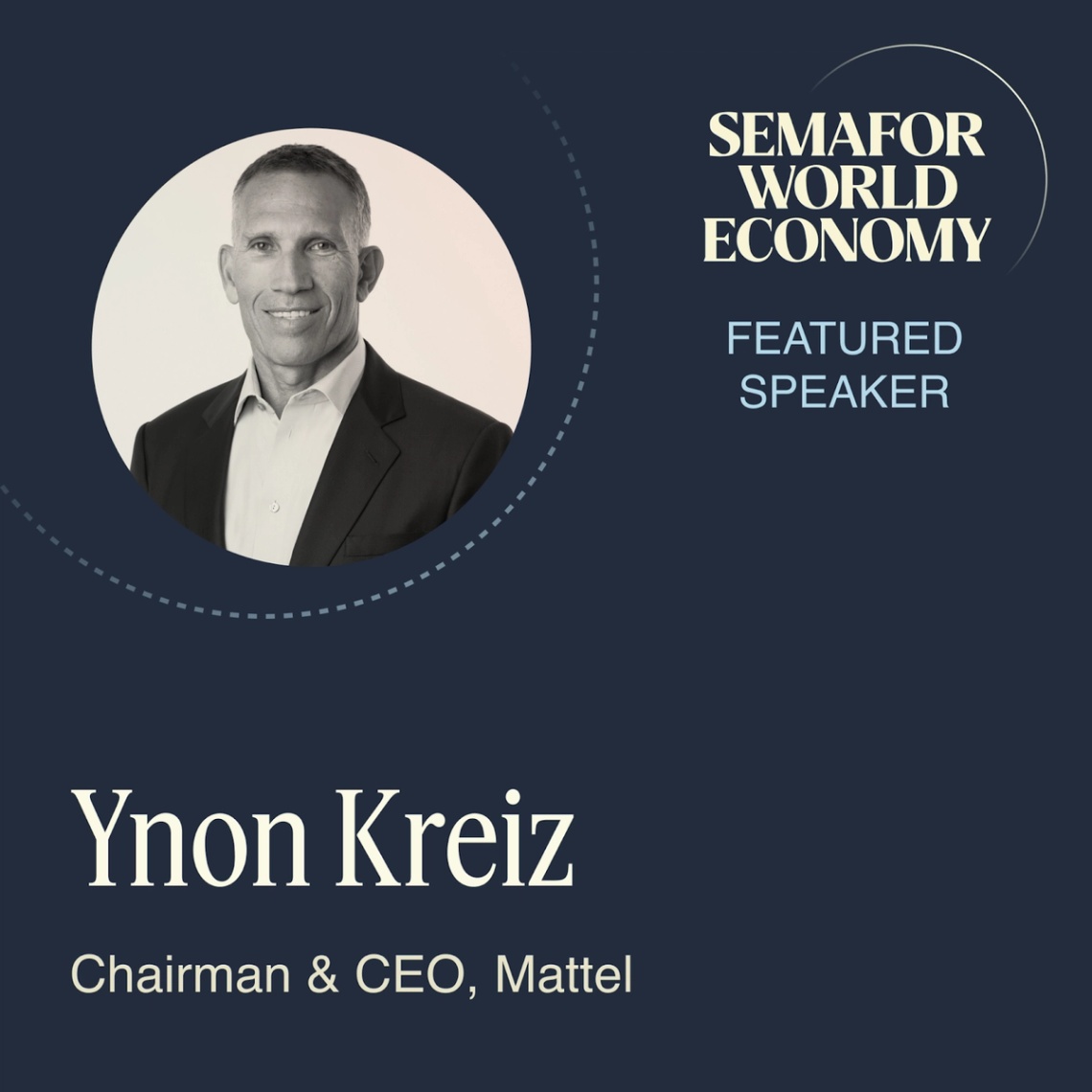 This April, Ynon Kreiz, Chairman and CEO of Mattel, will join global leaders at Semafor World Economy — the premier convening for the world’s top executives — to sit down with Semafor editors for conversations on the forces shaping global markets, emerging technologies, and geopolitics. See the first lineup of speakers here. |
|
World’s first subsea cable dismantled |
The world’s first transatlantic fiber-optic cable is being dismantled after almost 40 years. There have been cables between the Old and New worlds since 1866, but the TAT-8 was the first to use pulses of light through glass, rather than electricity through copper. It went into service in 1988 — with a video call from Isaac Asimov — and was decommissioned in 2002, and sat undisturbed on the seabed for almost a quarter-century. It is now being reclaimed for materials, WIRED reported. TAT-8’s 280 Mbit/s was expected to meet requirements forever, but it hit capacity within 18 months. Amazon’s Fastnet cable, due to open 2028, will have 1.1 million times the bandwidth, and will be one of about 15 in operation. |
|
Death of US cultural cachet |
 Angelika Warmuth/Reuters Angelika Warmuth/ReutersThe US is slowly losing its pole position as the global driver of culture, a political scientist argued. For decades, American geopolitical power was intertwined with its cultural cachet — not government-driven “soft power” initiatives, but the “organic triumph” of Hollywood, American pop music, education, and fashion, Soviet Union-born Seva Gunitsky wrote in Persuasion. But that cultural infrastructure is crumbling, mirroring a fracturing geopolitical order. Korean films and TV are challenging Hollywood, Latin music is topping global charts, and fewer international students are choosing the US. No other country is poised to instantly replace the US, Gunitsky noted, though China is surely having a cultural moment, as more Americans embrace “Chinamaxxing” and adopt the country’s lifestyle and cultural trends. |
|
Symbols reveal earliest writing form |
|
|