| | In this edition, the Sierra Club has a plan against the Trump administration, and Epstein revelation͏ ͏ ͏ ͏ ͏ ͏ |
| |  | Energy |  |
| |
|
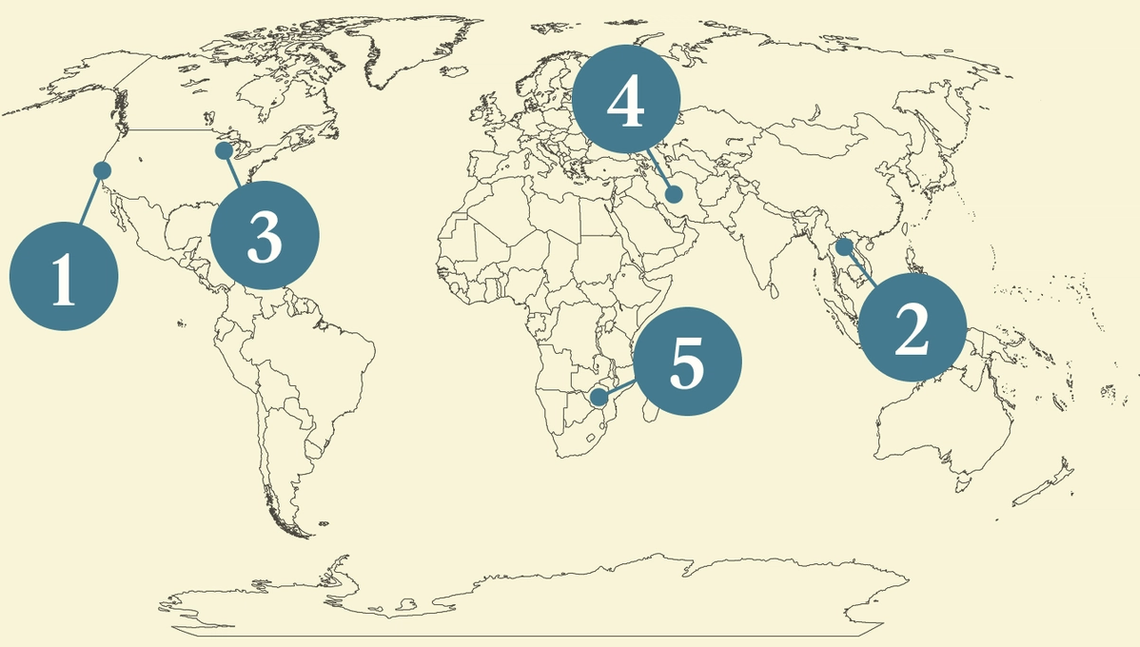 - Sierra Club ready to fight
- Solar manufacturing victory
- The case for Chinese EVs
- Rush to load oil
- Lithium race accelerates
 Epstein file revelations hit clean tech firm, and utilities dodge the AI stock market tumble. |
|
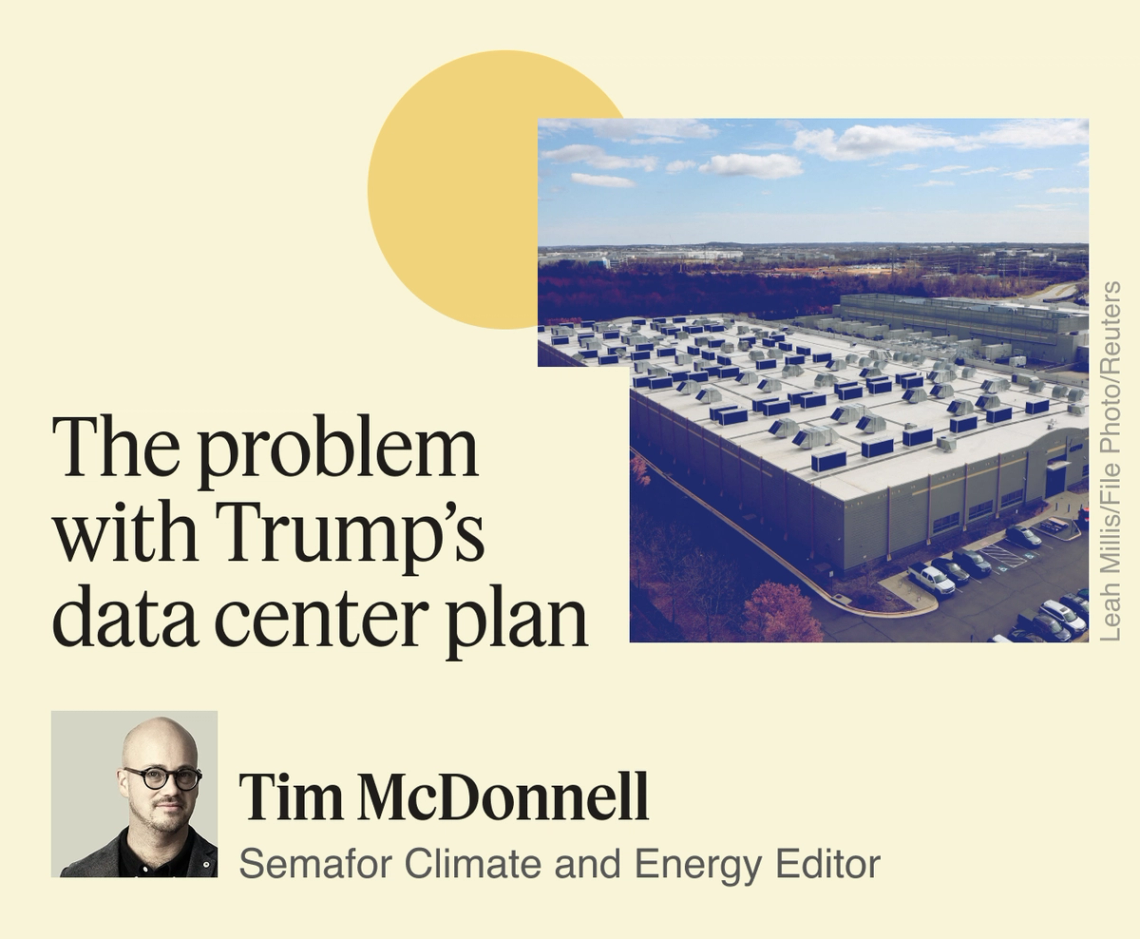 US President Donald Trump’s new plan to hold down rising power prices associated with data centers could waste a massive investment opportunity. Tech companies “have the obligation to provide for their own power needs,” he said during his State of the Union address on Tuesday. “I’m telling them they can build their own plant. They’re going to produce their own electricity.” That was the extent of the detail Trump offered on what White House officials had characterized before the speech as a raft of “ratepayer protection pledges.” But it’s enough to know that the burden will be on the data center developers — rather than utilities or other grid stakeholders — and that the administration essentially envisions a bespoke new power system built in parallel to the existing one. One limitation of this approach is that it doesn’t deal with other factors driving up power prices outside of new data center development: permitting bureaucracy, the inherent volatility of fossil fuel prices, and the Trump administration’s own moves to restrict the development of renewables. Another is that, because many data center power projects underway will rely on natural gas, the new “shadow grid,” as some observers have started to call it, could become a major source of unregulated greenhouse gas emissions. But the biggest problem is that this is a missed opportunity, Ari Matusiak, CEO of the advocacy group Rewiring America, told me after the speech. The amount of money tech companies envision investing in power projects in the near future probably represents the single greatest infusion of cash into the US grid in decades, he said, and should be “harnessed that in a way that actually creates the biggest shared benefit for everybody.” Why not, he said, engage tech companies in a more holistic strategy that includes investments in transmission networks and even upgrades to nearby households like batteries and AI-driven smart appliances, which have the dual benefit of freeing up more flexible electrons for data centers and directly lowering their neighbors’ bills? As I pointed out recently with Exelon’s new power affordability plan, the devil is in the details, and a two-hour Trump speech is never a great place to look for those. But trying to somehow isolate Big Tech from the power system isn’t the way to go. |
|
The Sierra Club has a plan to fight Trump |
 Sierra Club activists during a protest in 2010. Henry Romero/Reuters. Sierra Club activists during a protest in 2010. Henry Romero/Reuters.The head of the largest US environmental activist group has no intention of recalibrating the group’s embrace of social justice issues, while insisting it had not lost focus in its efforts to battle climate policy rollbacks by the Trump administration, she told Semafor. The Sierra Club was among a dozen environmental and public health groups that sued the Environmental Protection Agency last week over its move to scrap the government’s legal basis for regulating greenhouse gas emissions. The new suit represents one of the Club’s biggest swings against US President Donald Trump during his second term, with the long-term future of US climate regulation hanging in the balance. The legal offensive comes at a moment of turmoil for the Club, which has been rocked in the past few years by layoffs and falling membership and revenue; internal divisions about how closely to be affiliated with groups focused on labor, LGBTQ rights, racial equity, and other progressive issues; and the contentious firing of the group’s first Black executive director over allegations of sexual harassment and mismanagement. Loren Blackford, who took over as executive director in September after serving for two decades on the Club’s board, said in an interview that she “adamantly disagrees” that the group has become distracted, and said that membership was on the rise again. “We’re definitely doing a lot of soul-searching, because this is such an incredibly important and difficult moment on so many different fronts,” she admitted. But “caring about equity and caring about justice are essential, not just to our values, but also to how we get our work done. That’s a big part of our secret sauce, and while it’s challenging and it can look messy, that’s why we’re strong.” |
|
US solar manufacturers protected by tariffs |
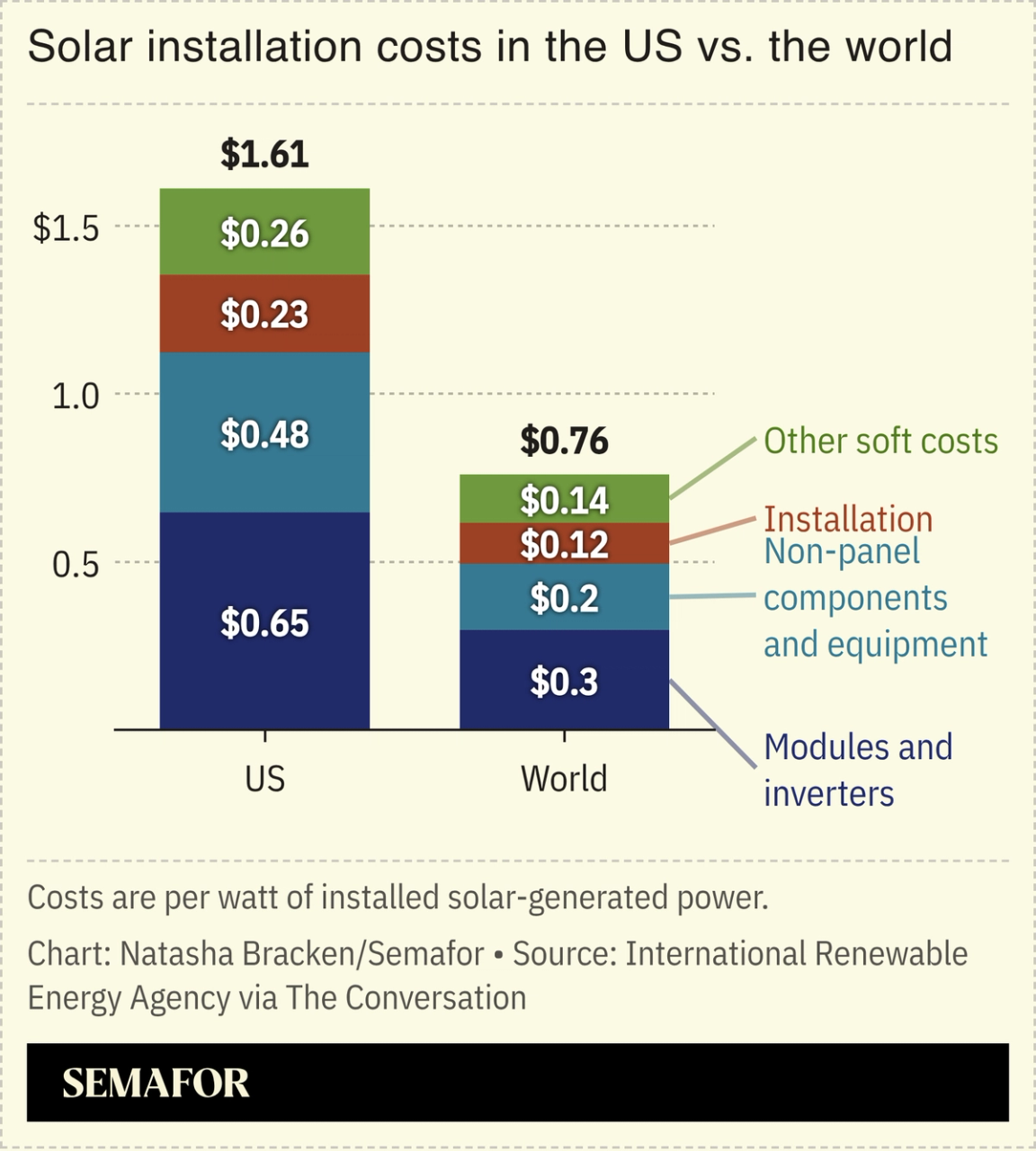 US solar panel manufacturers won a new degree of trade protection against Chinese competitors, but are already looking ahead to new challenges in a global game of tariff whack-a-mole. The US Commerce Department ruled this week that solar panel manufacturers in India, Indonesia, and Laos are the beneficiaries of unfair government subsidies, and must therefore pay a tariff as high as 143% to import their products to the US. The ruling, which is separate from the Supreme Court decision striking down Trump’s global tariff regime, is the outcome of a case brought by US manufacturers including First Solar who argued that their multibillion-dollar investments in new factories are unable to compete against rivals that, although physically located across Asia, are ultimately controlled by Chinese firms. Tim Brightbill, lead attorney for the trade group that brought the complaint, praised the ruling, but said he was already thinking ahead to where these companies may land next. And after visiting a recent solar trade show, he has a good guess: Ethiopia. “Does Ethiopia have a comparative advantage in making solar? No,” he said. “But what does it have? Chinese companies that are picking up to move there.” In the meantime, the ruling didn’t do much to help First Solar’s shareholders, who were hit by disappointing quarterly earnings figures on Wednesday as the company reeled from other tariffs and from major project cancellations. |
|
View: Why Chinese EVs can be Detroit’s ‘salvation’ |
 Rafael Martins/File Photo/Reuters Rafael Martins/File Photo/ReutersUS restrictions on Chinese EVs are misguided and, in fact, the vehicles’ entry into the American market could offer salvation for Detroit’s automakers, Semafor’s China columnist argued. Wary of the possible security risks, policymakers in Washington have maintained sky-high tariffs on China’s EV makers. Solar panels, drones, and surveillance cameras have all met a similar fate. EVs, however, are different, Andy Browne noted, because they drive the development of other key technologies like batteries. Washington’s diagnosis of the problem they pose, and how to address it, illustrates how deeply officials risk misunderstanding China. But there is some prospect of a shift: US President Donald Trump has said he’d “love” to see Chinese carmakers opening factories in the US. |
|
 We are ramping up our global coverage: We’ve just launched Semafor China, an ambitious briefing for leaders on how the world’s second-biggest economy is changing the world around it. Helmed by Andy Browne — a Pulitzer Prize-winning reporter and editor who has covered the country for decades — and featuring a new CEO interview series by Clay Chandler, a decorated Asia-focused journalist who has covered the region for The Wall Street Journal, Washington Post, and Fortune, our weekly briefing will tackle the vast financial, economic, and technological impact China is having across the globe, from Africa to the Americas. Our inaugural edition had scoops on a Chinese industrial giant’s expansion into Europe, AstraZeneca’s strategy in China, and the extent of US allies’ courting of Beijing over the first year of Trump’s second term. Subscribe to Semafor China for your weekly look at the biggest stories and best analysis on the country, and its huge impact on the world. |
|
Rush to get oil out of Iran |
|
First UK lithium plant opens |
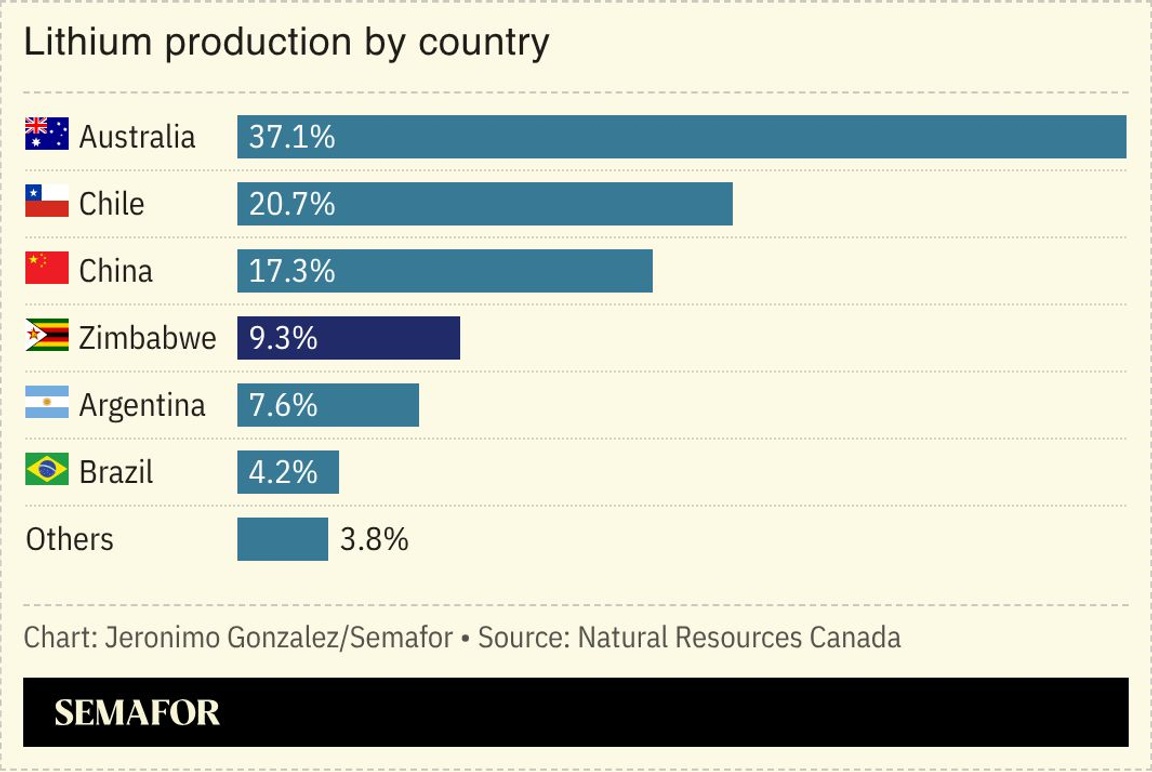 The UK’s first commercial lithium plant opened, as more nations race to secure domestic supplies of critical minerals. The mine will initially produce around 100 tons annually, enough for about 2,000 EVs, with plans to scale up to 18,000 tons within a decade. Lithium is just one of about 60 elements listed as economically crucial by the US Geological Survey, and demand is especially high in the energy, defense, and semiconductor industries. Zimbabwe, one of the world’s leading producers controlling 9% of global supply, suspended exports Wednesday in a bid to pressure firms to set up domestic processing facilities, sparking fears of supply chain disruptions. The move caused Chinese lithium futures to rise more than 9% on Thursday. Like other commodity-exporting African nations, Zimbabwe wants to capture more value across the supply chain, with at least 13 African countries imposing similar export restrictions since 2023. |
|
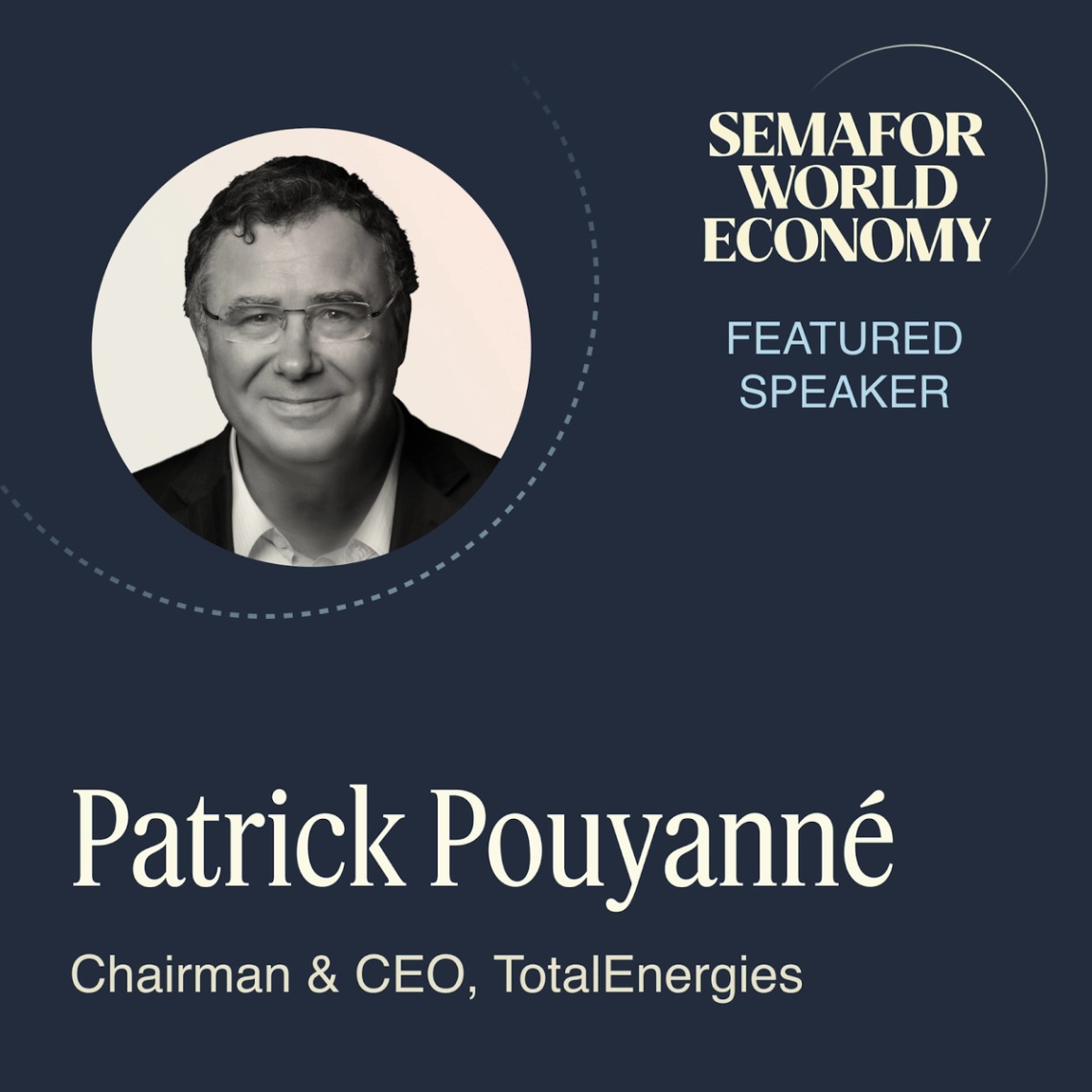 This April, Patrick Pouyanné, Chairman and CEO of TotalEnergies, will join global leaders at Semafor World Economy — the premier convening for the world’s top executives — to sit down with Semafor editors for conversations on the forces shaping global markets, emerging technologies, and geopolitics. See the first lineup of speakers here. |
|
 New EnergyFossil Fuels- Exxon is using its fast, large-scale oil development in Guyana as proof it can deliver more efficient, more profitable projects than competitors when negotiating fiscal terms with other resource-rich countries.
- Sultan Al Jaber, the head of Abu Dhabi’s state-controlled oil company ADNOC, is looking to expand abroad, diversifying in natural gas, chemicals, and renewables, to continue sustaining the emirate’s economy.
- Slowing growth in shale fields in the US is forcing American fracking companies to se
|
|
|


