Manage AI-Induced “Brain Fry” on Your Team. AI can accelerate productivity across your organization—but if you’re not careful, it can also lead to what researchers call “brain fry.” As employees juggle multiple AI tools and oversee streams of outputs, their attention becomes overloaded. As a leader, your challenge is to design how AI fits into work so it boosts performance without exhausting your team. Here are five practices to guide you.

Read online 

Manage email preferences

Harvard Business Review | The Management Tip of the Day
 

Today’s Tip

Manage AI-Induced “Brain Fry” on Your Team 

AI can accelerate productivity across your organization—but if you’re not careful, it can also lead to what researchers call “brain fry.” As employees juggle multiple AI tools and oversee streams of outputs, their attention becomes overloaded. As a leader, your challenge is to design how AI fits into work so it boosts performance without exhausting your team. Here are five practices to guide you. 

Redesign work for human and AI collaboration. Don’t simply layer AI oversight onto existing responsibilities. Define clear limits on how many tools or agents employees manage at once. When AI is embedded thoughtfully into team workflows and treated as a shared capability, cognitive strain drops and productivity improves.  

Set clear expectations about workload. If you celebrate productivity gains without explaining how work will change, employees may assume expectations are increasing. Clarify AI’s purpose, explain how roles will evolve, and define what oversight and output should look like. 

Measure impact, not activity. Reward outcomes instead of volume of AI use. When you incentivize quantity, employees produce more work with lower quality and greater mental strain. Focus on measurable business results. 

Build skills for managing AI work. Help employees strengthen skills such as problem framing, planning, and prioritization. These abilities prevent endless AI iteration and keep people focused on solving the right problems. 

Protect human attention. Treat attention as a limited resource. Monitor cognitive load and create norms that support focus, good judgment, and sustainable performance. 

 
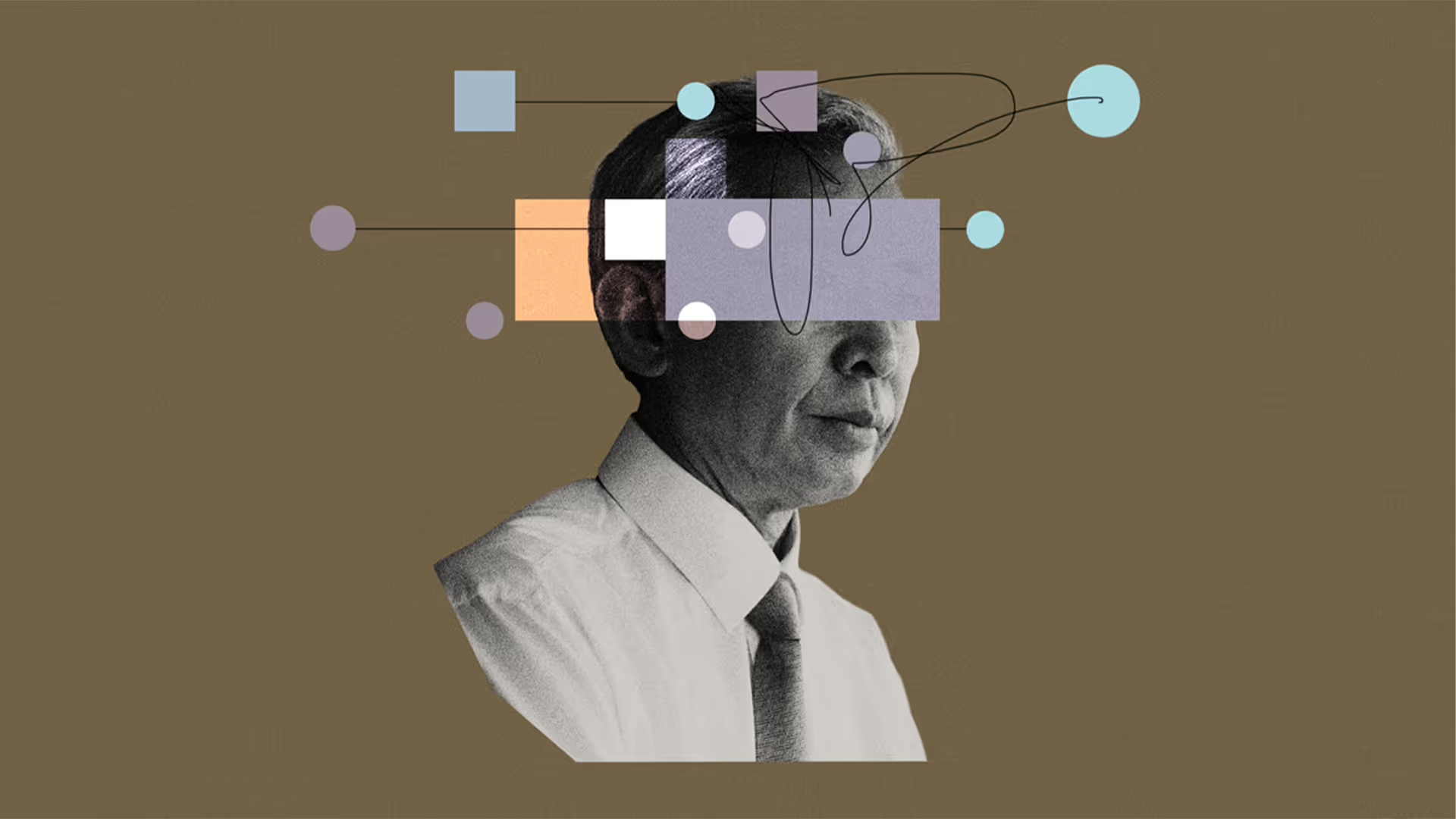
Collage-style illustration of a person in a dress shirt and tie, overlaid with abstract shapes and connecting lines against a muted background.

Read more in the article

When Using AI Leads to “Brain Fry”

by Julie Bedard, et al.

Read more in the article

When Using AI Leads to “Brain Fry”

by Julie Bedard, et al.

Collage-style illustration of a person in a dress shirt and tie, overlaid with abstract shapes and connecting lines against a muted background.


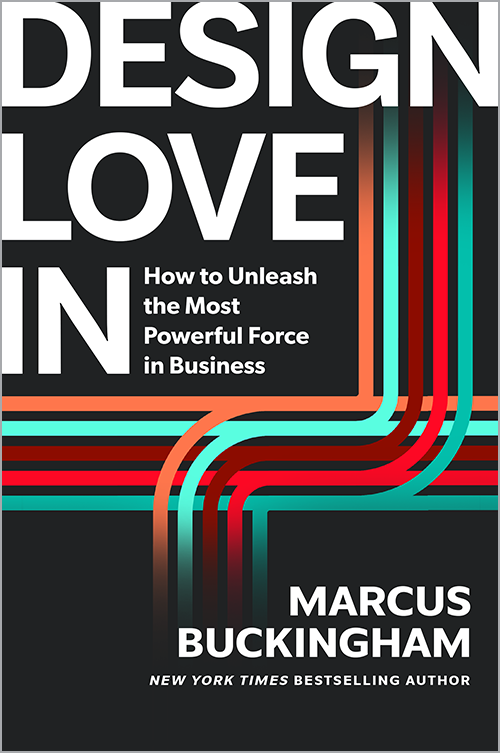
Design Love In: How to Unleash the Most Powerful Force in Business

Design Love In: How to Unleash the Most Powerful Force in Business

by Marcus Buckingham

Learn more

Don’t forget you’re entitled to 20% off your first purchase*


*Use promo code HBRORGREG4.
View details here.


A person at their laptop visiting the HBR website.

Stay oriented as the landscape shifts

A subscription gives you full access to HBR’s coverage of leadership, strategy, and the evolving workplace.

Subscribe to HBR


Podcast

What You Must Deliver to Win Customers Today

A conversation with B. Joseph Pine II about the growing transformation economy.

Listen now
 

ADVERTISEMENT


The HBR App:
Get the best in leadership thinking on-the-go.

Download on the App Store.
Get it on Google Play