|
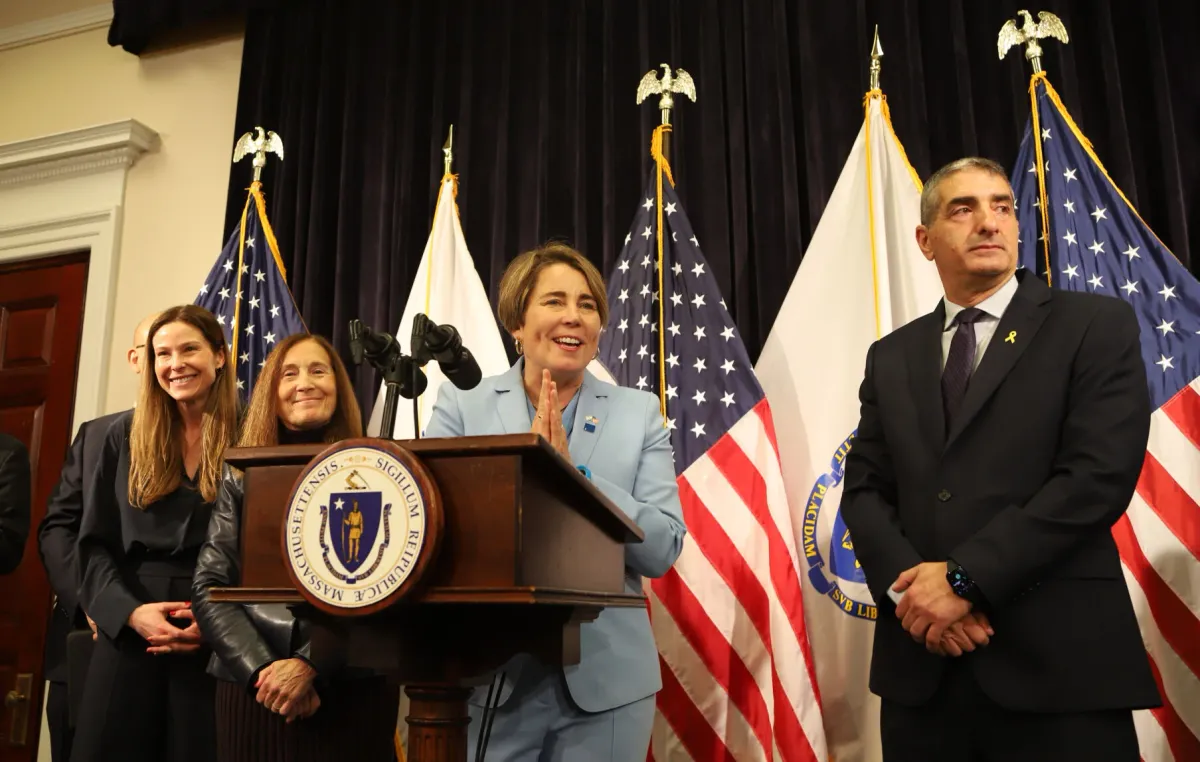
A health care startup incubator tied to an Israeli hospital system launched its program in downtown Boston this week. ARC Landing Boston, an offshoot of Sheba Medical Center located outside Tel Aviv, is now home to six startups, a spokesperson for the accelerator said. A ribbon-cutting ceremony with Gov. Maura Healey had been planned for Tuesday, but the event was canceled due to the conflict in the Middle East, the spokesperson said. The accelerator will be helmed by Dr. Yonatan Keschner, an emergency medicine physician at Mass General Brigham (MGB) and a faculty member at Harvard Medical School. He's also led a health tech hub at MGB that guides international companies into the U.S. market, according to his LinkedIn. "The launch of ARC Landing Boston marks the start of a new era of medical innovation," Keschner said. "Our first cohort of startups are developing technologies that will address some of the greatest medical challenges and reinvent the future of healthcare. Leveraging Sheba's global platform and Massachusetts's robust ecosystem of healthcare institutions will ensure our cohort can pioneer and scale truly innovative technologies." At a State House press conference last May, Healey stood beside Sheba leaders and expressed excitement that the hospital had selected Massachusetts for its first United States-based accelerator. ARC — which stands for accelerate, redesign, collaborate — has a global network that's active in 12 countries. The Boston accelerator will help startups enter the U.S. market and support local economic growth, the spokesperson said. The state has not provided any financial support for ARC Landing Boston, said Margaret Quackenbush, spokesperson for the Executive Office of Economic Development. The six startups have collectively raised nearly $85 million and have started hiring locally, the accelerator spokesperson said. The companies include XEOS that's modernizing cancer surgery with real-time molecular imaging; UltraSight, which uses AI-based software to boost the accessibility of high-quality cardiac ultrasounds; and FeelBetter, an AI-powered medication management platform. There's also Modulight that's developing new therapies for neurological disorders; custoMED, which uses AI to produce personalized surgical guides; and Nuri Braintech that's working on a new approach to treat post-traumatic stress disorder. The accelerator intends to bring additional startups to Boston, the spokesperson said. ARC Landing Boston offers opportunities for startups to collaborate with academic and community hospital systems, academic institutions and industry partners. Startups also receive support for U.S. market entry and connection to the state's venture community. Dr. Yitzhak Kreiss, director general of Sheba, said last year that the accelerator can help counter escalating antisemitism. "Antisemitism is eliminated by doing things together," Kreiss had said. "We believe that when the people of the commonwealth will see the innovation coming through, the companies, the economic growth, the good things that we can do, the science that we can do together, that's a very effective way to cope with that." Protesters held a "die-in" outside the State House in December, calling on the state to break ties with Sheba. Organizers said Sheba, the largest hospital in the Middle East, was "deeply implicated in the ongoing genocide in Gaza." The state's health care startup landscape also got a boost from the federal government this week. The Advanced Research Projects Agency for Health announced investments for research teams in Boston and other U.S. cities to pursue lymphatic interventions and health monitors that can be placed in patients' tear ducts.
|