 Science Has a Major Fraud Problem For decades, scientists were above reproach. Not any more. Joe Nocera investigates the murky world of fraudulent research, and the sleuths exposing dishonest science.
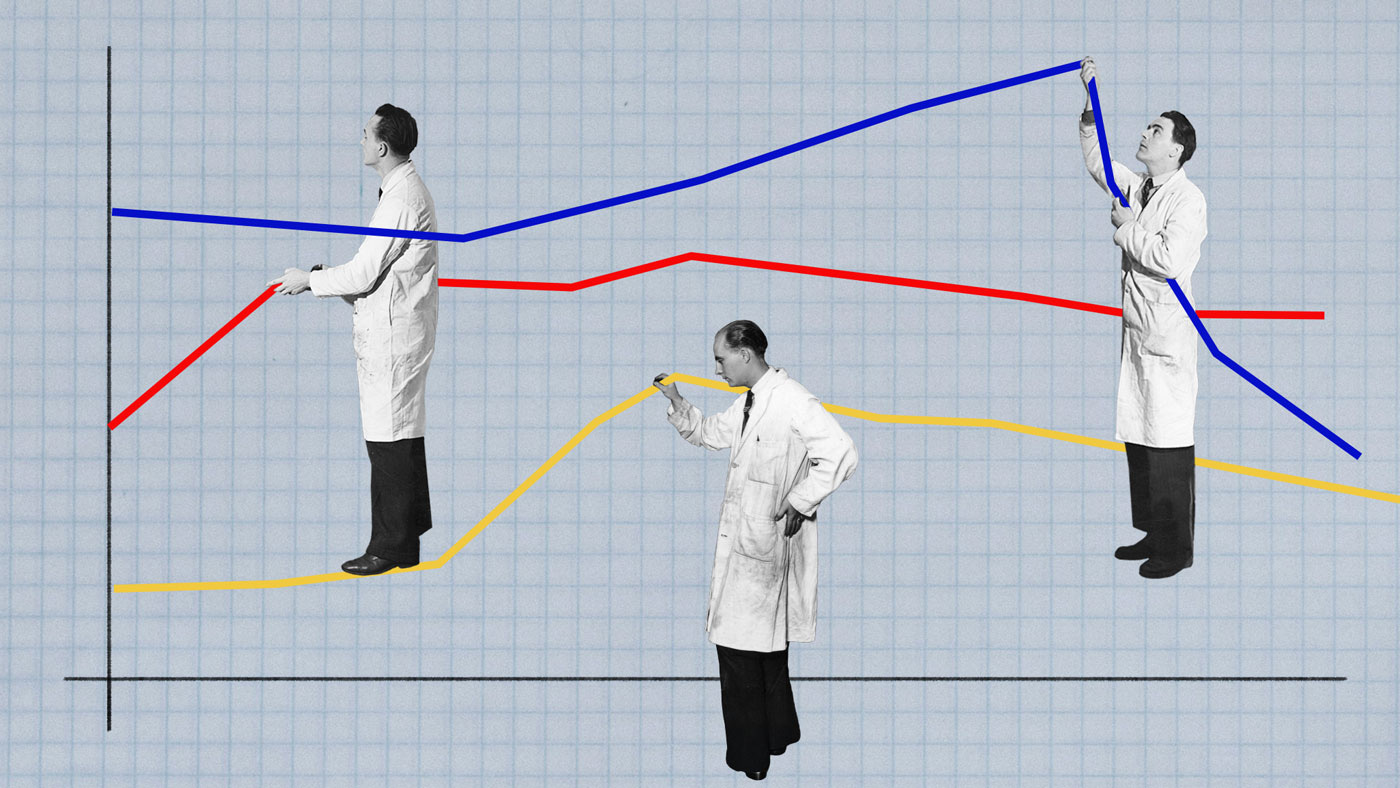
For scientists genuinely trying to make world-changing discoveries, their careers can be hurt by insisting on doing honest and honorable work. (Illustration by The Free Press)
Not long after he arrived on the Stanford University campus in 2022 as a 17-year-old freshman, Theo Baker received a tip about the school’s president, the neuroscientist Marc Tessier-Lavigne. Baker, the son of two prominent Washington, D.C., journalists, had joined the staff of The Stanford Daily and was looking for a story he could dig into. And here it was: On a website called PubPeer, a forum for discussing scientific papers, critics were claiming that papers coming out of Tessier-Lavigne’s lab contained manipulated and fraudulent data. And that it had been going on for years.
Become a paid subscriber Get access to our comments section, special columns like TGIF and Things Worth Remembering, tickets in advance to our live events, and more. UPGRADE TODAY |