It’s Thursday, March 12. This is The Front Page, your daily window into the world of The Free Press—and our take on the world at large. Today: Are we on the brink of an Abraham Accords 2.0? The Joan Didion novel that explains the Oscars. Reports of MAGA’s divide on Iran are overstated. A fight over prayer time in Texas schools. The GOP has an anti-Muslim problem. And much more.
But first: What happened when a Ukrainian woman found her name in the Epstein files.
Nearly seven years after Jeffrey Epstein died in a prison cell, we are still learning the full extent of his dark empire. It spanned multiple continents and relied on a web of enablers, co-conspirators, and alleged victims turned recruiters—young women who were pressured, or persuaded, to bring in others.
For anyone still wondering how a scheme of such scale could operate in plain sight for so long, and how so many women kept getting pulled into Epstein’s orbit, my story today offers part of the answer. But this is not another harrowing account of abuse. Instead, the tale of Elizaveta “Liza” Grinenko, a Ukrainian actress, is about a young woman who narrowly escaped Epstein’s grasp—and realized how close she came to a very different fate only when she searched her name in the Epstein files.
—Tanya Lukyanova
The Christian Conservatives Who Don’t Want Prayer Time in Schools |
|
|
|
 |
|
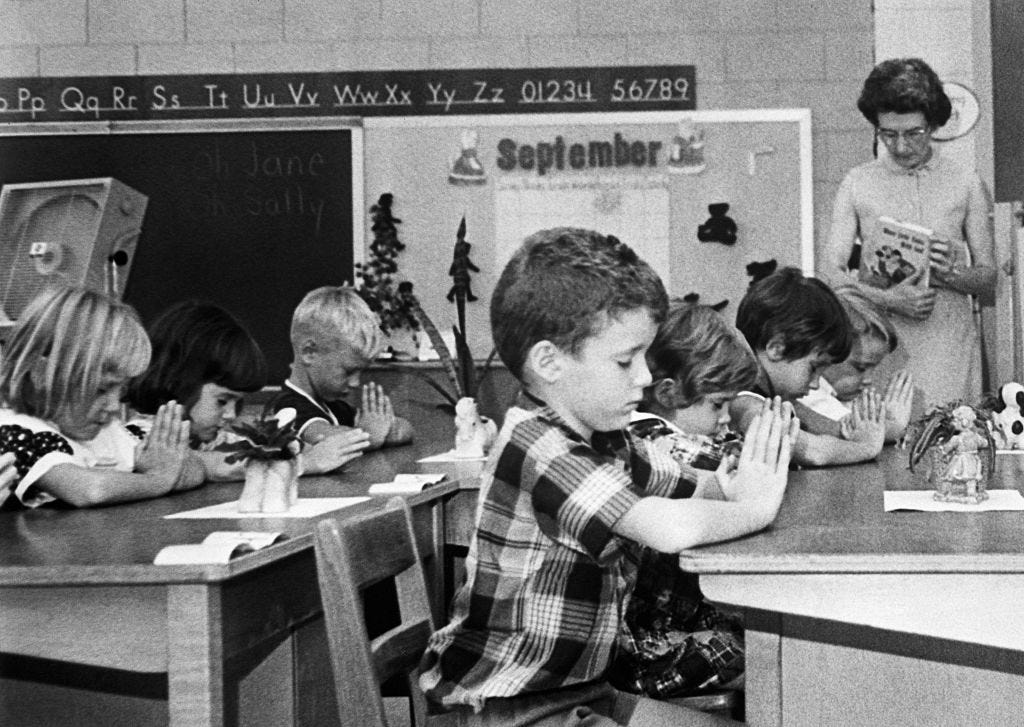
If you’ve spent any time in Texas, you likely know that it is a deeply religious state. Sixty-seven percent of adults identify as Christian, with 50 percent praying daily; many high school football games even begin with a ritual prayer. So you may think that when every school district in Texas had to vote on whether to establish time for worship in the school day, the majority would have backed the measure. But that’s not what happened. Carrie McKean reports on why. | | |
|
Googoosh: Iran’s Freedom Is Within Reach |
|
|
|
 |
|
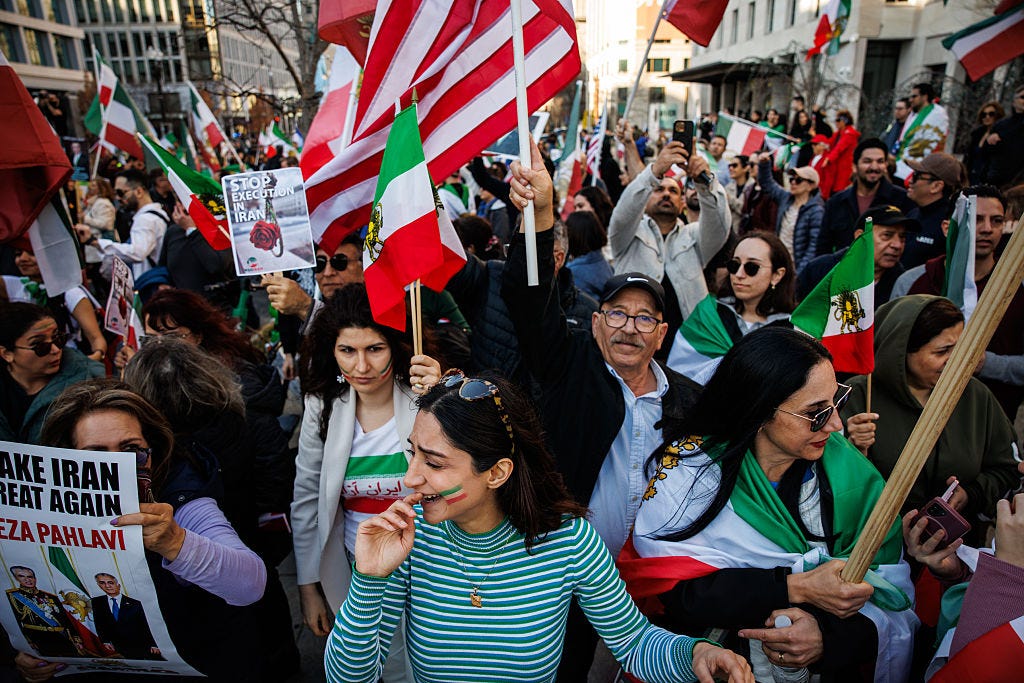
Nearly 47 years ago, when Iran became the Islamic Republic, then–28-year-old Iranian pop star Googoosh found herself in New York City. At the time, her loved ones begged her not to go back—as a superstar musician, she was a symbol of everything the regime hated. But still, she returned to Iran—and faced 21 years of oppression from her own leaders. Writing for The Free Press today, she says a free Iran is within reach, and explains what it would mean to see her fellow Iranians liberated at long last. | | |
|
There Is No MAGA Split on Iran |
|
|
|
 |
|
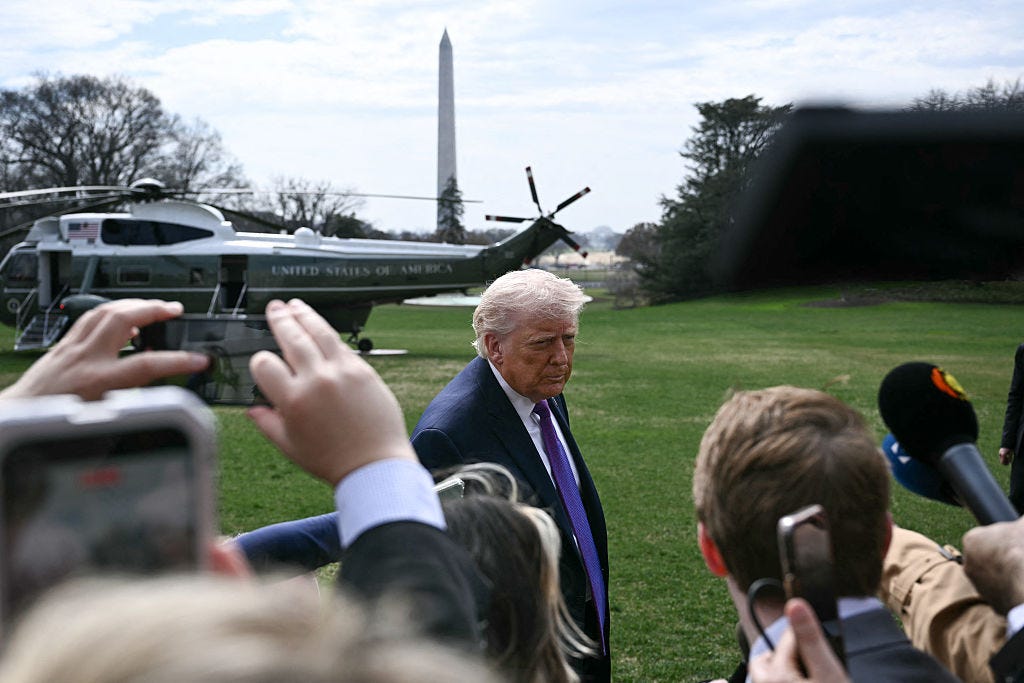
If you read the legacy media’s coverage, you might come away thinking that the United States’ strike on Iran has divided the Trump coalition in two. “MAGA Is Split,” Bloomberg tells us. “Will MAGA Forgive Trump’s ‘Betrayal’?” The Week asks. But as Gabe Fleisher writes today, reports of the divide among MAGA voters might be overstated. | | |
|
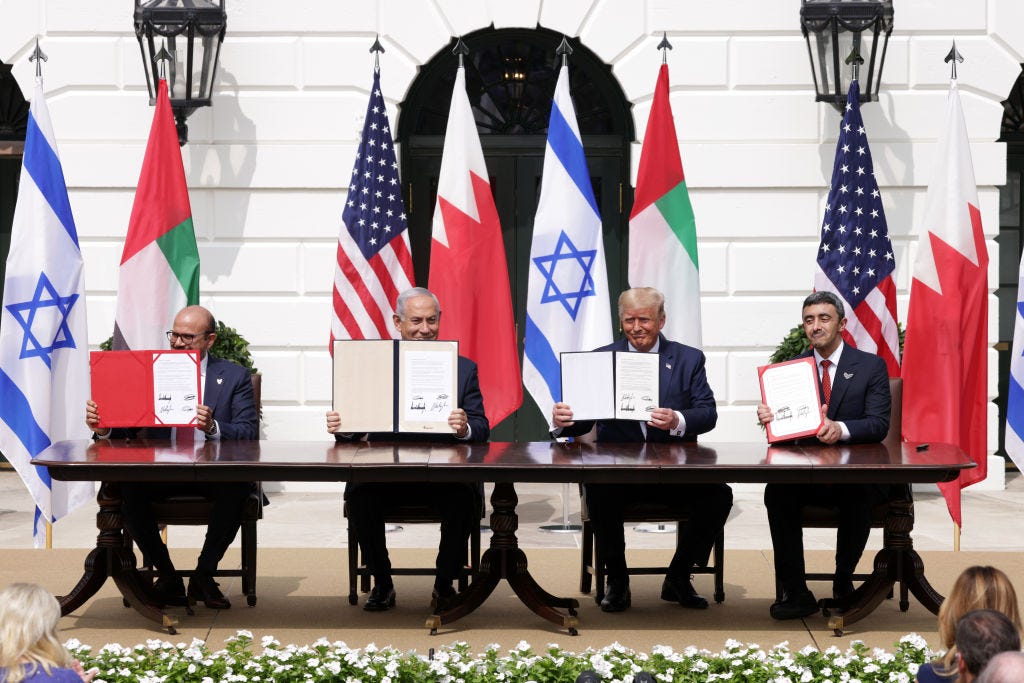
The Middle East Is Ready for the Abraham Accords 2.0 |
|
|
|
 |
|
“Iran’s neighbors, and in some cases former allies in the Gulf,” Secretary of Defense Pete Hegseth said Tuesday, “have abandoned them.” But, as Zineb Riboua argues, perhaps what Secretary Hegseth described as a military outcome is really the result of a diplomatic effort long in the making. Read Zineb’s piece to understand the yearslong strategy that led to this moment, and find out why Operation Epic Fury could bring about a second Abraham Accords. | | |
|
Joan Didion Knew What Hollywood Would Become |
|
|
|
 |
|
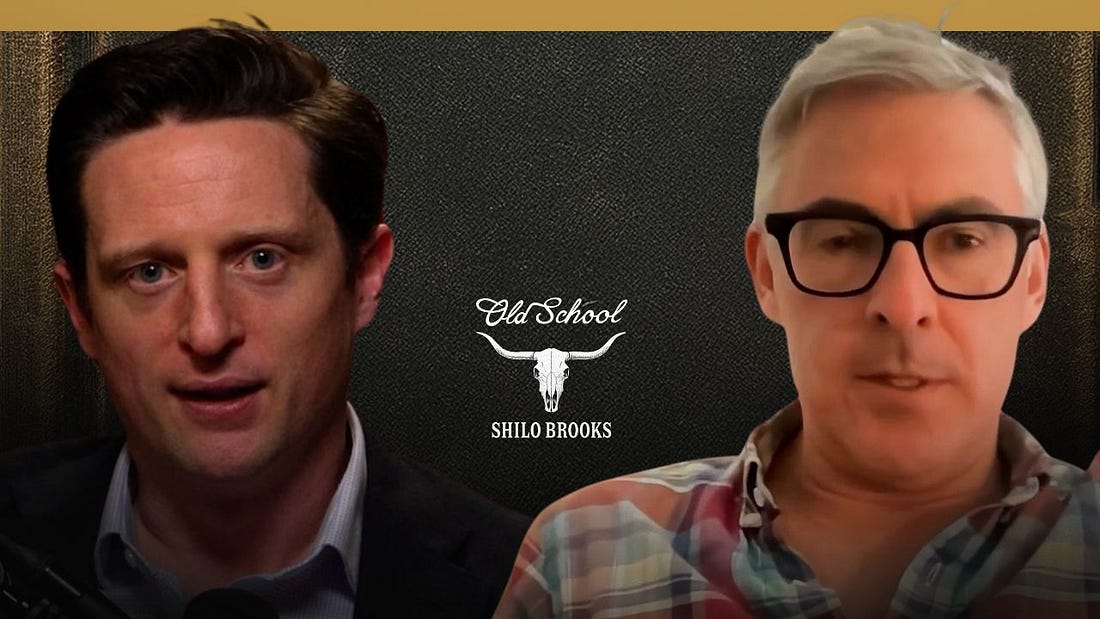
The Oscars are this weekend, which means Americans across the country will tune in for a weekend full of paparazzi, celebrity interviews, and celebration. But no matter who wins on Sunday, one thing is certain: The ceremony will showcase Hollywood culture at its most ostentatious, under its brightest lights. In today’s episode of “Old School,” Shilo Brooks sits down with Peter Savodnik to discuss the 1970s novel that predicted everything you see on the red carpet today. Tune in to hear Shilo and Peter discuss how Joan Didion’s “Play It as It Lays” explains everything ugly about Hollywood, celebrity culture, and the spiritual emptiness that we take for granted today. | | |
|