By Jorge Liboreiro
It’s often said that history repeats itself.
For the European Union, which has been battling back-to-back history-making crises since the dawn of the new decade, the axiom has never rung so menacingly true. In the span of two weeks, the bloc has been thrust to the precipice of a fresh, full-blown energy crisis, reviving ghosts from 2022 that everybody hoped to have banished for good.
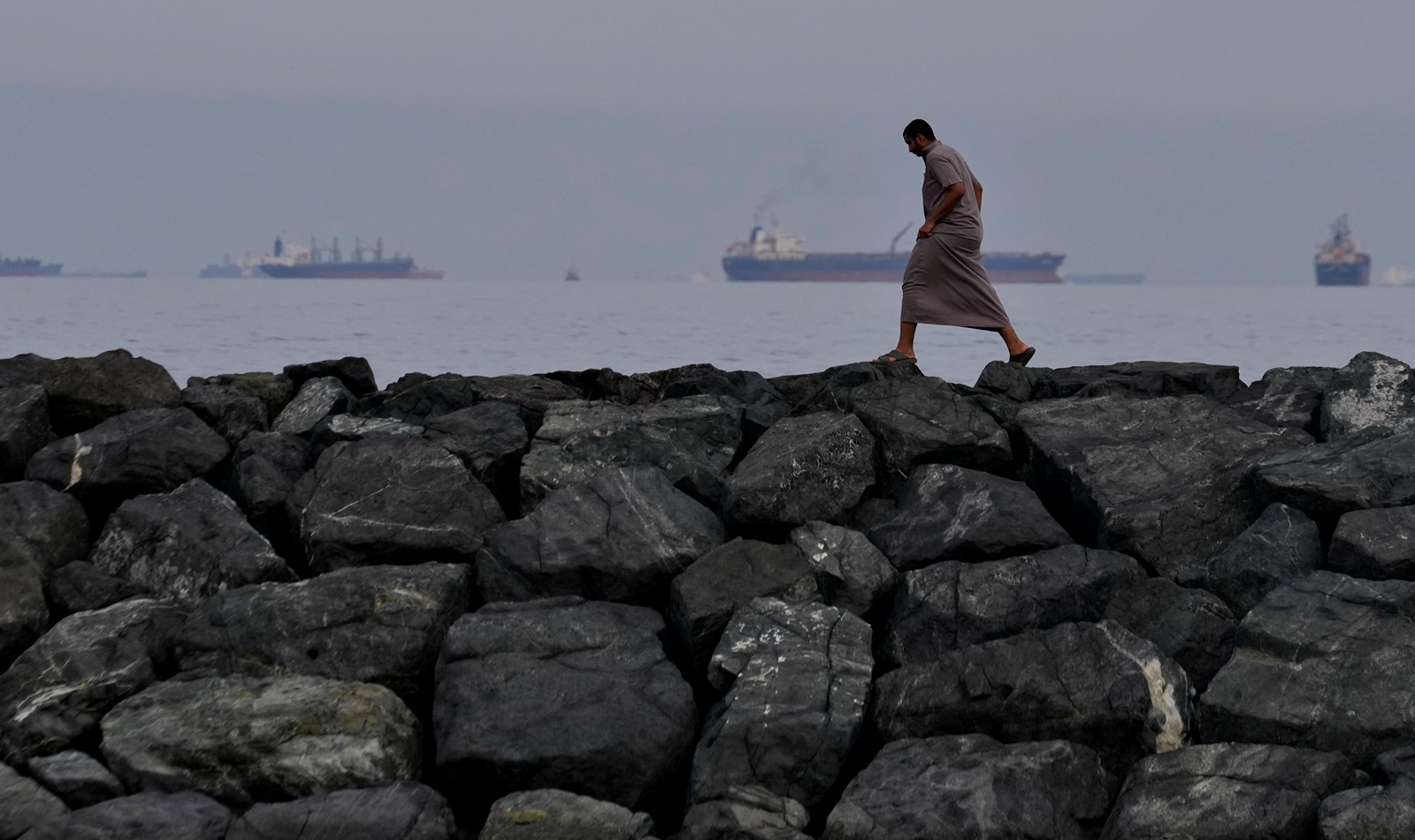
Donald Trump’s decision to strike Iran has upended the balance of power in the Middle East, imposed a chokehold on the crucial flow of energy exports and prompted widespread panic in the markets. Governments are on edge, scrambling to come up with makeshift solutions to keep the lights on.
Just this week, the G7 held not one, not two, but three crisis meetings: finance ministers on Monday, energy ministers on Tuesday, and leaders on Wednesday.
Interestingly, when finance ministers spoke on Monday, they refrained from releasing emergency oil reserves. When leaders spoke on Wednesday, the members of the International Energy Agency (IEA) agreed to its largest-ever release: 400 million barrels of oil.
Trump, meanwhile, continues to say the war will end “soon” in a bid to project calm and control. But his core objectives keep on changing, making it impossible to calculate when and how the American army will be able to cease hostilities without giving the impression of a rushed, face-saving retreat.
“Any time I want it to end, it will end,” Trump told Axios.
The reassurances were derailed after Iran’s new supreme leader, Mojtaba Khamenei, vowed to keep blocking the Strait of Hormuz, which carries a fifth of the global oil and liquefied natural gas (LNG), and to avenge “the blood of the martyrs”.
The comments were enough to send the price of Brent back to $100 per barrel. Analysts are already speaking of the worst oil crisis in history.
The panic is most acutely felt in Asia, which heavily relies on energy imports from the Middle East. South Korea announced a price cap on fuel products for the first time in 30 years, and Japan is mulling subsidies to offset prohibitive energy bills.
In Europe, anxiety is palpably growing. The continent is still reeling from the aftermath of the 2022 energy crisis. Although the EU managed to weather the worst effects of the record-breaking spike in gas prices, caused by Moscow’s revanchist manipulation, the aftermath established a new normal in which energy became structurally more expensive for both industry and households. The competitiveness gap with the US and China drastically widened, setting alarm bells off.
Now, the war in the Middle East is adding a new pressure point on the bruised-and-battered European economy, with unpredictable consequences for everybody.
For the time being, officials in Brussels are putting on a brave face.
They argue that, unlike the 2022 crunch, when the main supplier (Russia) unilaterally cut off trade, this time the EU is well-equipped with American LNG. But they fear that, if the war drags on, as it is doing, Asian countries that can no longer buy from the Middle East will go out in search of whatever LNG they can find. The global race could push prices to vertiginous heights.
At the same time, a sustained rise in oil prices could lead to stagflation, a much-dreaded scenario where the economy is paralysed, but everyday goods become more expensive. An explosive spiral.
“Since the beginning of the conflict, gas prices have risen by 50% and oil prices by 27%. If you translate that into euros, 10 days of war have already cost European taxpayers an additional €3 billion in fossil fuels imports,” Ursula von der Leyen told the European Parliament. “That is the price of our dependency.”
But there’s more: the war on Iran has thrown Russia an out-of-the-blue lifeline. The country can now reap larger profits from its Urals oil, reversing a downward trend that had raised hopes among Western allies that the Kremlin’s war chest might soon reach its breaking point. Europeans fear that, in a desperate attempt to assuage global markets, Washington will grant Moscow sweeping sanctions relief, dismantling four years of collective efforts.
Moreover, the rapid depletion of military arsenal by the US, Israel and Middle East countries risks leaving Ukraine with the much-needed air defence systems.
In an interlinked modern world, no regional war is ever just regional.
Editor’s Note: The Briefing will take an exceptional break next week due to the special coverage of the EU summit.
|