A newsletter by Reuters and Westlaw |
|
|
FOSSILFUEL-DIVESTMENT/ REUTERS/Beck Diefenbach |
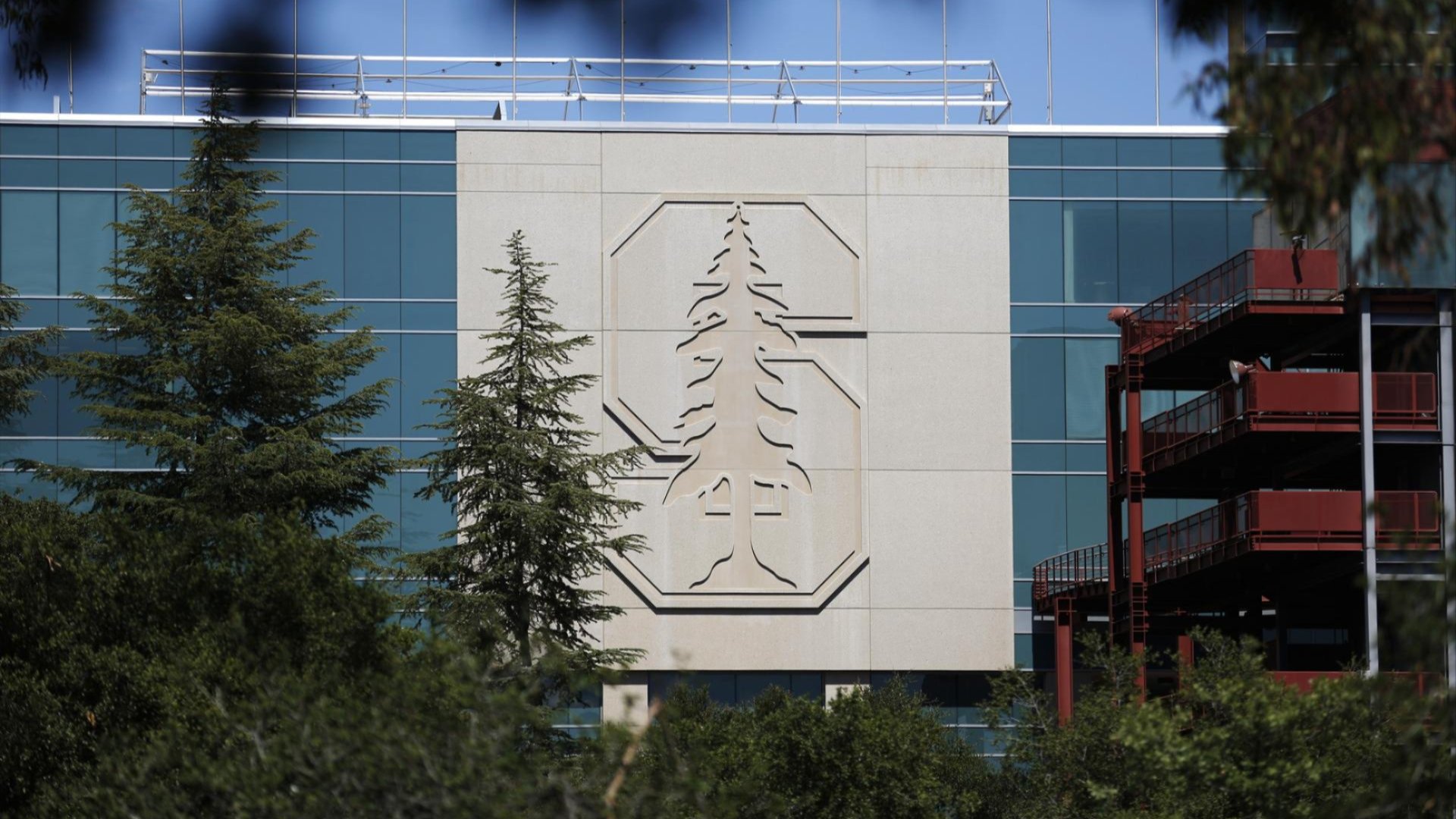
Stanford Law School posted the highest bar exam pass rate of any U.S. school in 2025, new data from the American Bar Association shows, in a year when exam results improved nationwide.
All but one of the Bay Area school’s 176 graduates who took the exam for the first time last year passed—resulting in a pass rate of 99.43%. Yale Law School had the second-highest rate at 98.54%, followed closely by Duke Law School at 98.23%. See how your law school did here. |
|
|
-
Antitrust: The 9th Circuit will hear appeals in two cases challenging the NCAA’s “five-year rule,” where athletes are eligible to compete in no more than four seasons within five years of having enrolled in college. The cases were brought by two football players: former Memphis wide receiver Cortez Braham and former University of Nevada, Las Vegas defensive lineman Tatuo Martinson.
-
Bar exam: The trustees of the State Bar of California and the agency’s Committee of Bar Examiners will meet today to discuss the future of California’s bar exam and whether to continue to develop a state-specific test, or switch to the new national bar exam debuting this July. The state bar is still grappling with the fallout of its disastrous February 2025 online bar exam.
|
Court calendars are subject to last-minute docket changes. |
|
|
- The future of the billable hour was a burning question at the LegalWeek conference in New York this week, where AI is dominating the annual legal technology gathering. Read this week’s Billable Hours.
|
|
|
"If the Great Dissenter’s colleagues can remove her from the bench in this slipshod fashion, then other federal judges cannot be secure in their lifetime tenure." |
—Mark Chenoweth of the New Civil Liberties Alliance, the attorney for U.S. Circuit Judge Pauline Newman, said in a statement after Newman petitioned the U.S. Supreme Court on Thursday to hear her challenge to her ongoing suspension from a federal appeals court in Washington. Newman told the justices that the Federal Circuit unconstitutionally removed her from her position during an investigation into her fitness. Read the petition.
|
|
|
That’s how many new immigration judges the DOJ has hired as part of a push by the Trump administration to restock its ranks with people it dubs "deportation judges" after firing more than 100 others. Read more here. |
|
|
Ted Frank, who is best-known for objecting to the terms of class action settlements, is pressing one of his own on behalf of drivers stuck for hours when pro-Palestinian protestors in 2024 blocked a highway near Chicago's O'Hare airport. Now, he and his colleagues at the non-profit Hamilton Lincoln Law Institute are appealing after a federal judge last year blasted their arguments as "baseless," dismissed the case with prejudice, and hit them with to-be-determined monetary sanctions. Jenna Greene has more in On the Case.
|
|
|
|