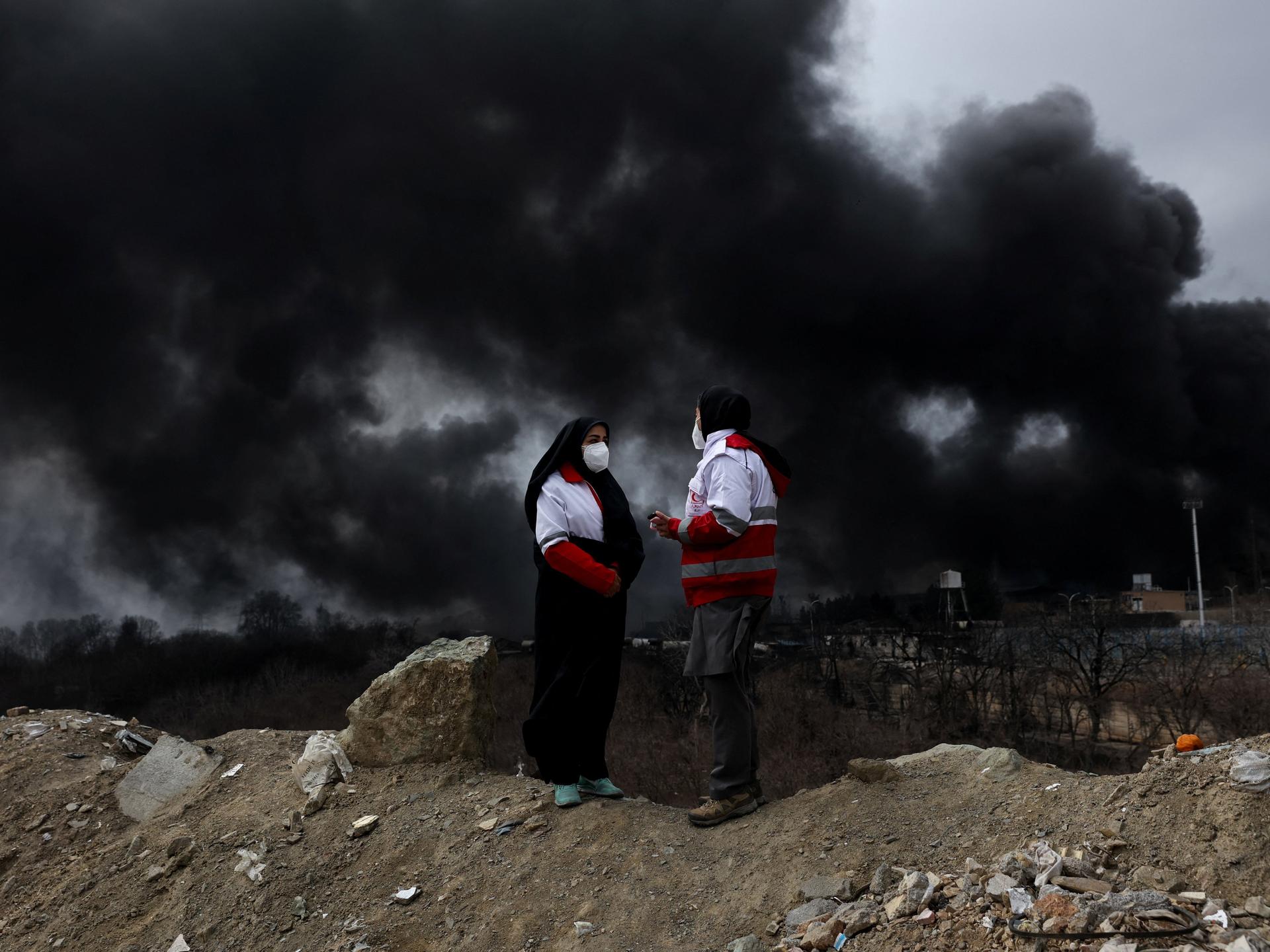
The war in Iran is incurring humanitarian consequences. The World Health Organization counts 18 confirmed attacks on health care in Iran since February 28, along with another 25 in Lebanon. Total causalities are already in the thousands. Strikes on desalination plants and oil refineries threaten regional access to clean water and create environmental hazards that endanger civilian health.
To lead this week’s edition, James Miller, Oxford International Development Group’s managing director, and Sultan Barakat, a professor at Hamad Bin Khalifa University’s College of Public Policy, explain how health diplomacy could create incentives for cooperation among the region’s actors, even as the Iran war makes broader political engagement impossible.
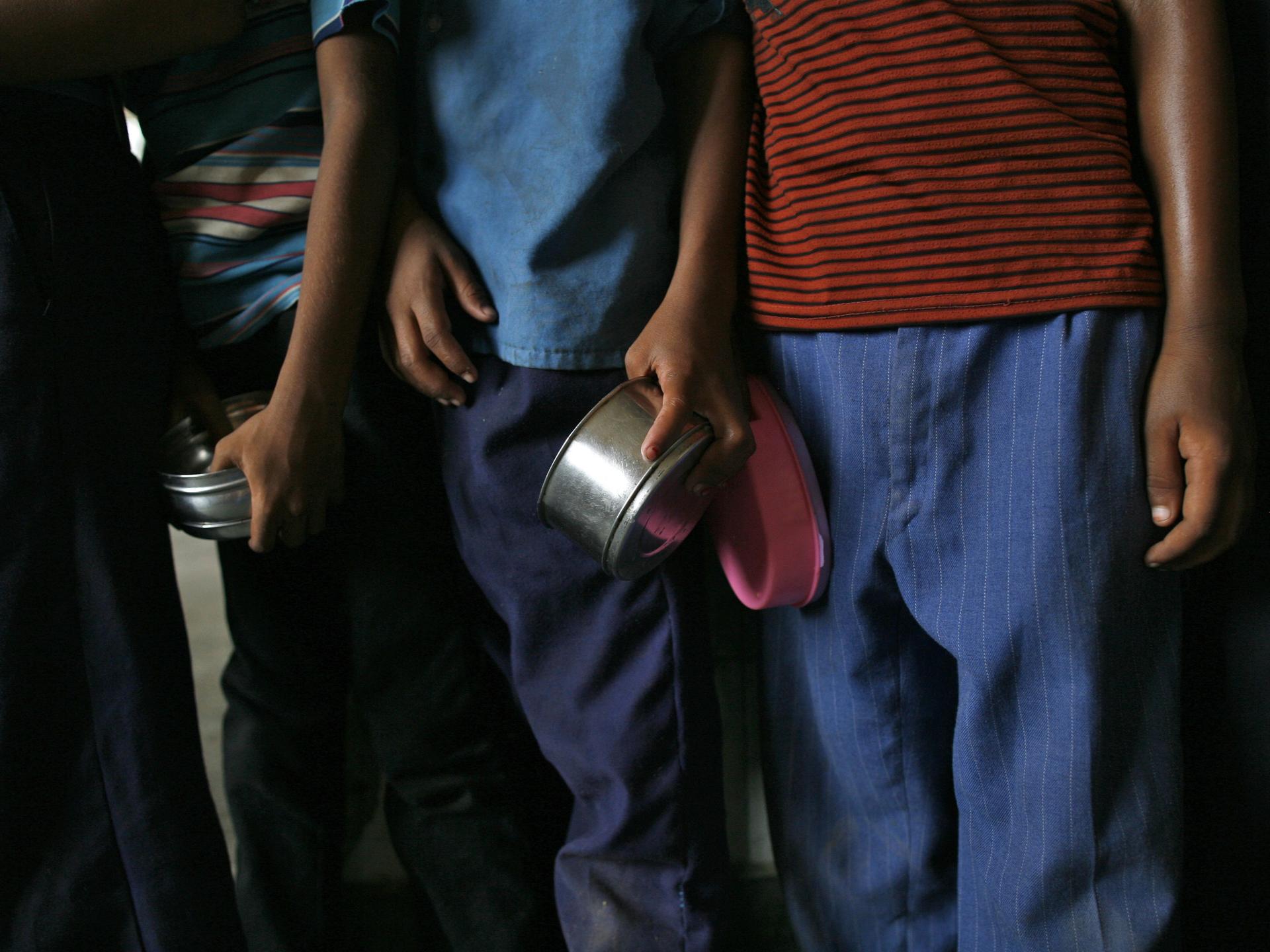
Moving to India, the consumption of unhealthy foods and increased sedentary behavior are driving a nutrition crisis, where children and adolescents face dangerously high triglyceride—blood fat—levels alongside widespread malnutrition. Javaid Sofi, a public policy researcher at Virginia Polytechnic Institute and State University, explains how India’s shifting nutrition landscape will cause more children to enter the workforce already managing chronic illnesses, such as diabetes or heart disease, and what that means for India’s economy.
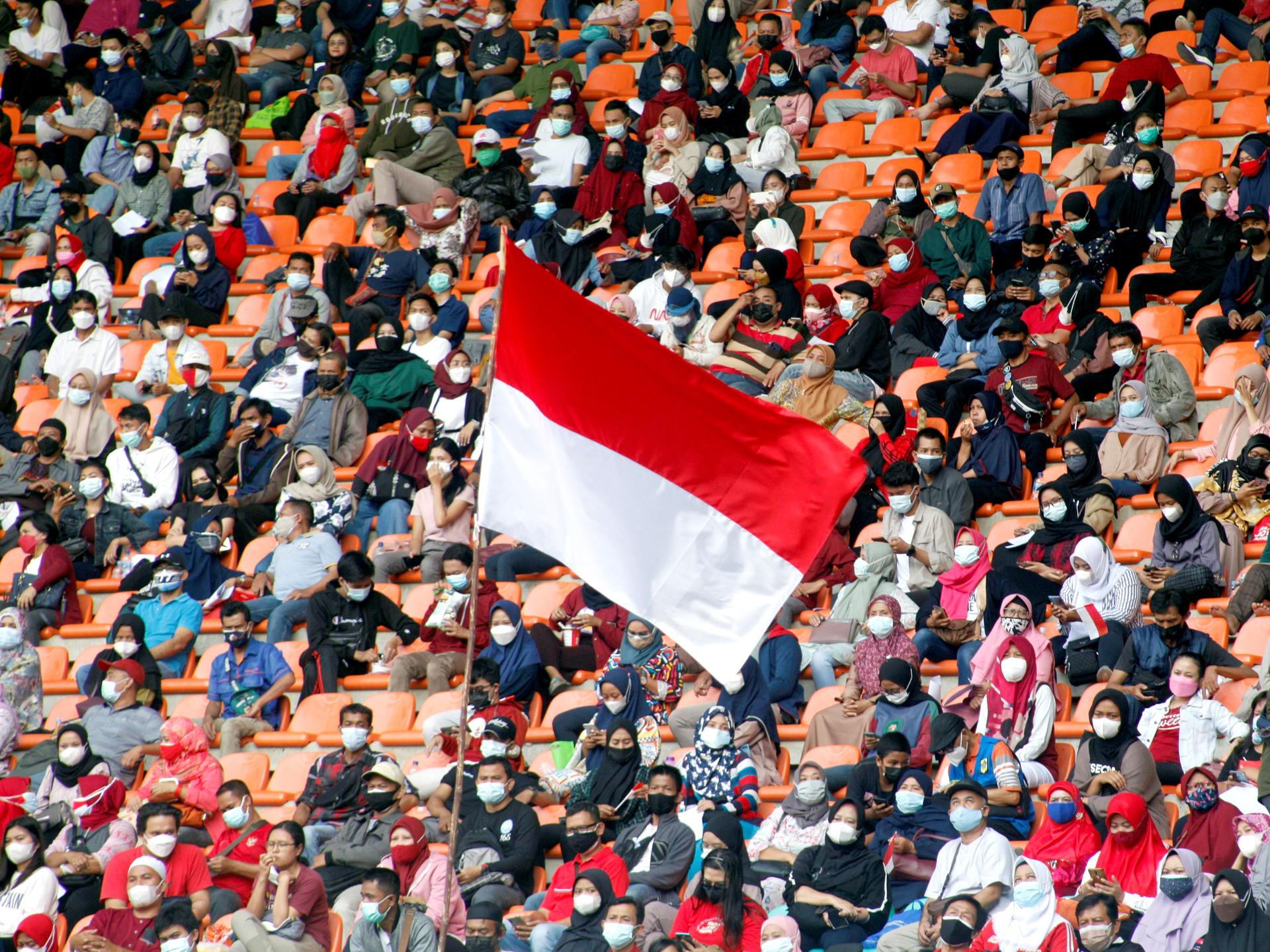
A little more than a year after Indonesia joined the BRICS—the bloc of nations including Brazil, Russia, India, and China—Ivan Meidika Kurnia, a health policy advisor at the Tony Blair Institute for Global Change, and Elizabeth Sarah Aryaputri, a doctoral candidate at the London School of Hygiene and Tropical Medicine, assess how the nation can leverage its position in the bloc to produce priority drugs locally, expand South-South cooperation, and establish its role as a leader in global health.
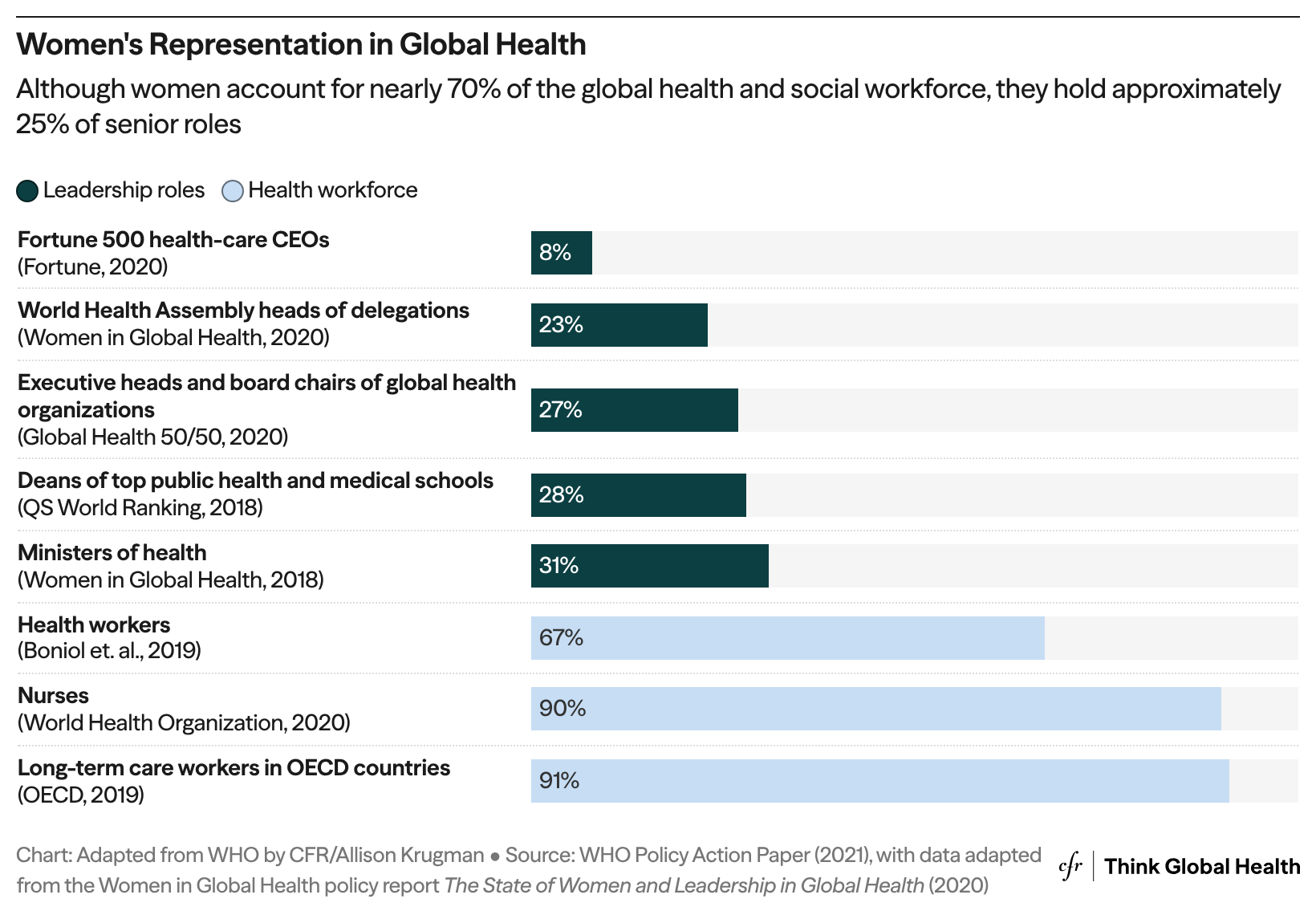
On Sunday, countries celebrated International Women’s Day. To commemorate the occasion, Saumya RamaRao, chair of the Population Council’s institutional review board, and Apoorva Jadhav, senior fellow at the Population Reference Bureau, examine the ways women leaders bring fresh perspectives to challenges long ignored by men to improve the health and well-being of all people.
Until next week!—Nsikan Akpan, Managing Editor, and Caroline Kantis, Associate Editor