As induction stoves fly off the shelves in India from fears of LNG shortage.

Get full access to Reuters.com for just $1/week. Subscribe now.


Sustainable Switch

Sustainable Switch

Climate Focus

By Sharon Kimathi, Energy and ESG Editor, Reuters Digital

Hello!

Countries in Europe and Asia are relaxing their energy rules as the Middle East conflict continues and fears mount over liquefied natural gas ‌deliveries.

I wrote about how the conflict would derail sustainability efforts in Tuesday’s newsletter which you can revisit here. Today’s newsletter shows the number of countries that are prioritizing gas supplies or turning to nuclear energy and coal.

For example, European Union officials are easing their energy rules, fearing rigid enforcement of the laws causing delays or stranding shipments as the U.S.-led war on Iran continues to rattle global LNG flows.

The rules in question require that shipments of LNG from certain non-Russian countries receive "prior authorisation" – meaning companies must provide European ‌customs ⁠authorities with proof of the gas's origin five days before it arrives in the EU.

The main country affected by a softening of the "prior authorisation" rules would be Azerbaijan, which last year supplied 4% of EU gas imports.

Europe's ⁠gas industry had already asked Brussels to temporarily suspend the rules on prior authorisation.

Over in Asia, South Korea is considering providing additional energy vouchers to subsidise vulnerable households if rising global fuel prices in the wake of the Middle East crisis push up electricity costs, the government said.

Asia's fourth-largest economy is also preparing to boost nuclear and coal-fired power generation in the event that oil prices remain high and LNG supplies are disrupted.

To reduce dependence on LNG, the Climate and Energy Ministry said this week it would accelerate the restart of nuclear reactors under maintenance, with two units expected to come back online as soon as March and four more by mid-May.

It also said coal-fired power output could be flexibly increased during periods ‌when the ⁠impact on air quality from fine dust was low, if LNG supply shortfalls materialised.

The Philippines is also planning to rein in energy bills by boosting coal-fired power output and regulating electricity prices as soon as next week due to the conflict, its Energy Secretary Sharon Garin told Reuters on Friday.

The Southeast Asian nation could face a rise of 16% in power prices by ⁠next month unless the government intervenes, Garin said, adding that Manila was in talks with Indonesia to ensure steady supplies of coal.

Unlike Asian countries turning to LNG, Pakistan has reduced its vulnerability to global LNG supply disruptions, Power Minister Awais ‌Leghari told Reuters, as it gets its energy from renewables such as solar, wind and hydropower. Click here for more on the story.


Climate Buzz

1. Ethiopia landslides kill at least 70 people, regional officials say

At least 70 people were killed following landslides ‌that ripped through Ethiopia's southern Gamo Zone earlier this week, and another 50 people may still be missing, regional officials said. Heavy rains, which continued throughout the night of March 10, caused severe landslides in the highland areas and destructive flooding downstream.


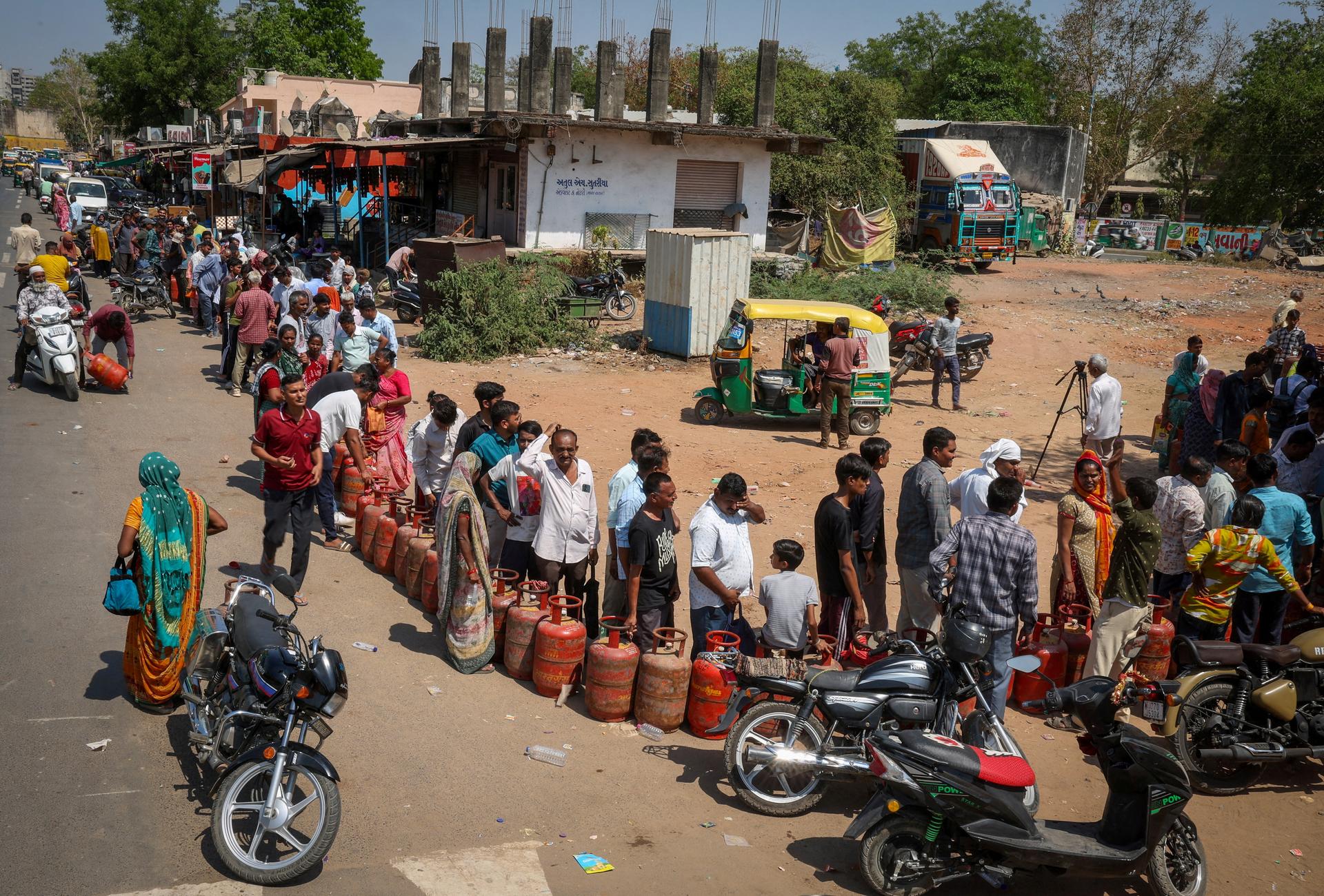
People stand in a queue with their empty LPG cylinders outside a gas agency amid supply disruptions following the Middle East conflict. Ahmedabad, India. REUTERS/Amit Dave

2. India’s cooking gas shortage as induction stove sales rise

India, the world’s second‑largest liquefied petroleum gas (LPG) importer, has invoked emergency powers to boost refinery output, yet canteens and hostels say supplies remain tight, forcing menu changes, cuts to hot food and rationing. 

The squeeze follows a near‑halt in shipping through the Strait of Hormuz due to the Iran war, driving up energy and transport costs and hitting Middle East oil and gas output. Meanwhile, consumers are snapping up electric cooking appliances, with several induction stove models sold out online and in stores as residents worry about refill delays and rising prices.

Click here for a story on a similar trend emerging in Nepal amid fears that the Middle East conflict could create a nationwide gas shortage.

3. Iran war unsettles India's packaged water makers as bottles, caps get pricey

Sticking with India, the Iran war is rattling the nation's $5 billion packaged water market ahead of the sweltering ‌summer season. One of the world's fastest growing bottled water markets is seeing some manufacturers hike prices for distributors, as supply disruptions linked to the war fuel higher costs in everything from plastic bottles to caps, labels and cardboard boxes.

4. US Supreme Court to hear Guam hazardous waste explosions case

The U.S. Supreme Court agreed to hear a bid by President Donald Trump's administration to dismiss a challenge pursued by the environmental groups Prutehi Guahan and Earthjustice accusing the U.S. Air Force of ignoring a requirement under federal law to assess the environmental impact of detonating hazardous waste explosives on a beach in Guam.

5. US sues California over zero emission vehicle, greenhouse gas rules

U.S. President Donald Trump's administration sued the California Air Resources ‌Board, claiming the state's zero-emission vehicle and tailpipe greenhouse gas emissions rules are illegal and pre-empted by federal law. The lawsuit wants a ruling declaring that all zero-emission vehicle mandates by California are unlawful and unenforceable.


What to Watch

 
Play 
 

Punch, the baby snow monkey, and his stuffed orangutan charmed viewers and captured hearts around the world. But in the wild, his fellow Japanese macaques often have a starkly different image: pests to be shooed away or even eliminated to prevent economic damage to farmers. Click here for the Reuters story and video.


Climate Commentary

  • The slow pace of the energy transition has kept countries in thrall to gasoline, writes Breakingviews’ Anthony Currie. Click here for the full comment on Australia’s slow sustainable switch.
  • Ethical Corp Magazine contributor Mike Scott writes about the Net Zero Asset Managers initiative’s relaunch with 250 signatories. Click here for the full story.
 

Climate Spotlight


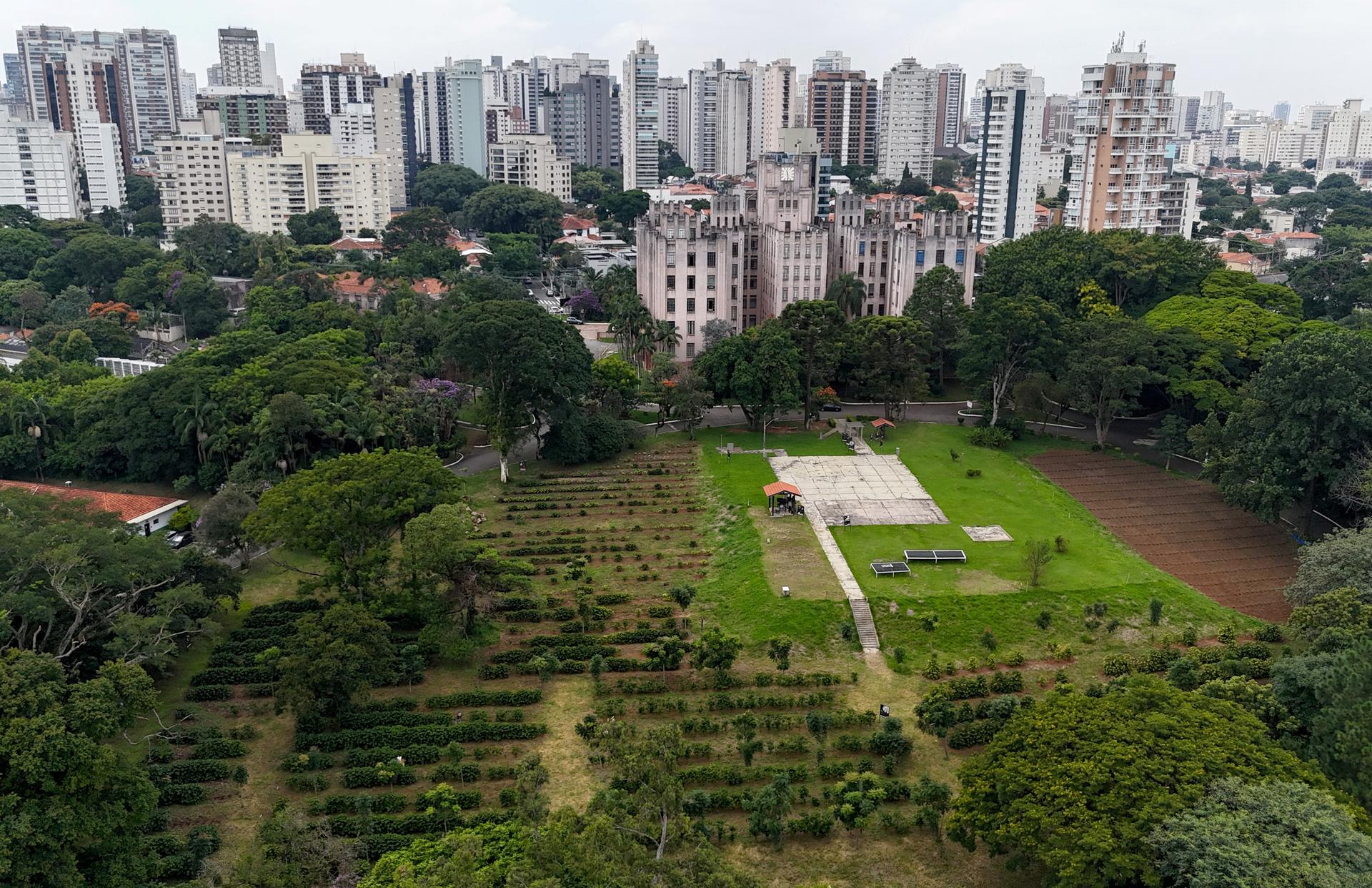
Sao Paulo's urban coffee plantation, where some 1,500 new coffee plants are being grown at the Biological Institute in Sao Paulo. REUTERS/Lais Morais

Today’s climate spotlight shines a light on Brazil’s innovative urban coffee farm in the sprawling city of Sao Paulo, where scientists are preparing to study the 1,500 new coffee plants’ capacity to resist climate change and pests.

The coffee farm in Sao Paulo's Vila Mariana neighborhood will be studied by the city’s Biological Institute which was established in 1927 with the mission of tackling a crisis caused by pests like the coffee berry-borer beetle which devours the beans hidden inside coffee cherries.


Number of the Week