͏ ‌     ­ ͏ ‌     ­ ͏ ‌     ­ ͏ ‌     ­ ͏ ‌     ­ ͏ ‌     ­ ͏ ‌     ­ ͏ ‌     ­ ͏ ‌     ­ ͏ ‌     ­ ͏ ‌     ­ ͏ ‌     ­ ͏ ‌     ­ ͏ ‌     ­ ͏ ‌     ­ ͏ ‌     ­ ͏ ‌     ­ ͏ ‌     ­ ͏ ‌     ­ ͏ ‌     ­ ͏ ‌     ­ ͏ ‌     ­ ͏ ‌     ­ ͏ ‌     ­
͏ ‌     ­ ͏ ‌     ­ ͏ ‌     ­ ͏ ‌     ­ ͏ ‌     ­ ͏ ‌     ­ ͏ ‌     ­ ͏ ‌     ­ ͏ ‌     ­ ͏ ‌     ­ ͏ ‌     ­ ͏ ‌     ­ ͏ ‌     ­ ͏ ‌     ­ ͏ ‌     ­ ͏ ‌     ­ ͏ ‌     ­ ͏ ‌     ­ ͏ ‌     ­ ͏ ‌     ­ ͏ ‌     ­ ͏ ‌     ­ ͏ ‌     ­ ͏ ‌     ­
 
 
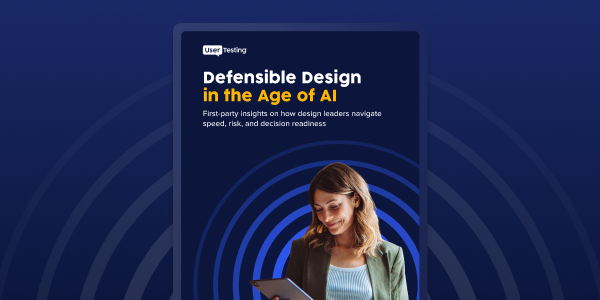
Defensible-design-in-the-age-of-ai-email-header-600x300-1.png
 

Hi Adam,

AI now accelerates ideation, synthesis, and production at unprecedented speed. But as generation becomes instant, a new challenge is emerging: defensibility. Can you stand behind what you ship?

In our latest research, we surveyed 183 designers across the US and Europe to ask a simple question:

Are AI-accelerated decisions easier to stand behind?

The data suggests a growing gap between speed and defensibility:


  • 91% say their work is faster
  • But only 15% feel much more confident in what they ship
  • 47% say AI outputs are hard to verify
  • 64.7% can’t confidently say AI improves outcomes
  • 6.5% say ownership of AI-driven outcomes is unclear


The issue isn’t output quality alone. It’s plausibility without proof.

You may feelcomfortable using AI when decisions are reversible. But as stakes rise, trust drops. And when accountability is unclear, risk increases.

Defensible design requires more than speed. It requires defined validation standards, decision gates, and clear ownership at the moment of commitment.

The full report explores where defensibility breaks down — and what youcan do to rebuild it.

Read it here

— Andrew @ UserTesting


UserTesting   |   2261 Market Street   |   Suite 22057, San Francisco, CA 94114
1-888-877-1882   |   sales@usertesting.com   |   Privacy Policy