| | Iran and Israel trade strikes amid Donald Trump’s diplomatic overtures, US tech executives in fronti͏ ͏ ͏ ͏ ͏ ͏ |
| |  | Flagship |  |
| |
|
The World Today | 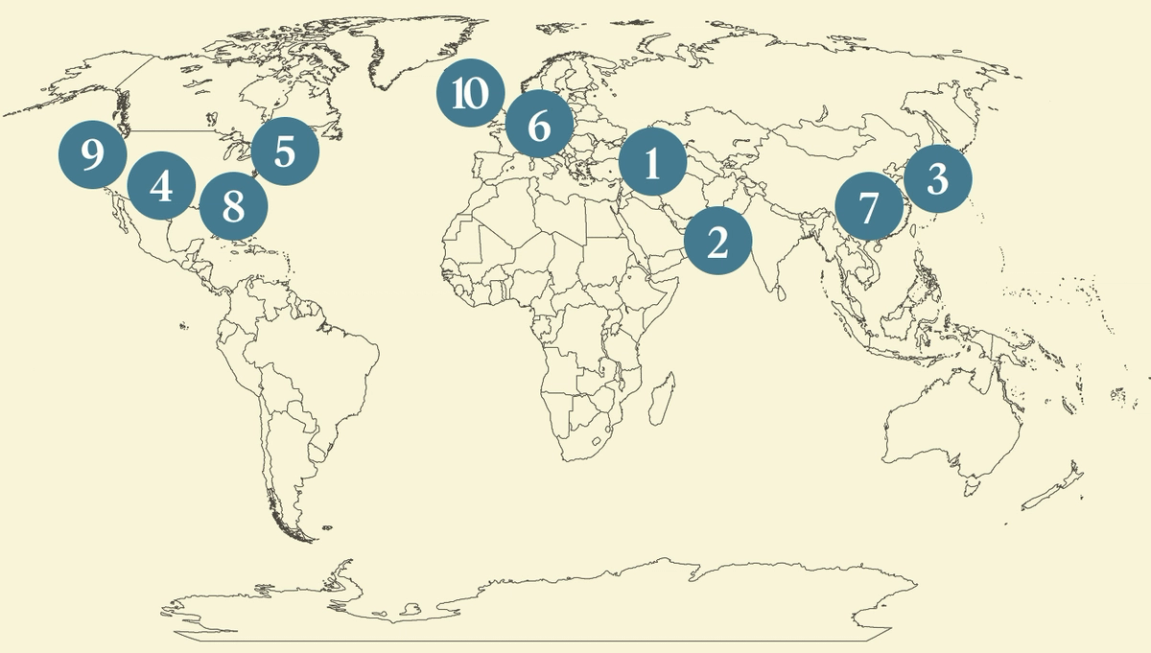 - Trump touts Iran talks
- Hormuz’s ‘safe’ corridor
- Investors eye post-war Iran
- Airfares rise on fuel worries
- US aviation struggles
- VW pivots to defense
- Alarm bells on China tech
- US plans $20B lunar base
- Meta ramps up AI adoption
- Myth of a march
 An ode to Britain’s myriad youth subcultures. |
|
Trump touts Iran progress amid strikes |
 Mohammed Torokman/Reuters Mohammed Torokman/ReutersThe Iran war raged Tuesday amid US President Donald Trump’s talk of diplomatic advances. Oil prices ticked back up and stocks slid as Israel and Iran traded strikes, a day after Trump paused attacks on Iranian energy sites. Hints of possible deescalation emerged, though: Tehran said it would allow some “non-hostile” ships to transit the Strait of Hormuz, while Washington sent Iran a 15-point plan to end the war, The New York Times reported. The Islamic Republic’s negotiating stance has hardened since the conflict broke out, Reuters reported, and it would demand serious concessions from the US in any future talks. Trump’s tactics, meanwhile, have created “controlled ambiguity,” The Jerusalem Post wrote, which serves to calm markets while keeping Tehran guessing. |
|
Iran allows China ship to transit Hormuz |
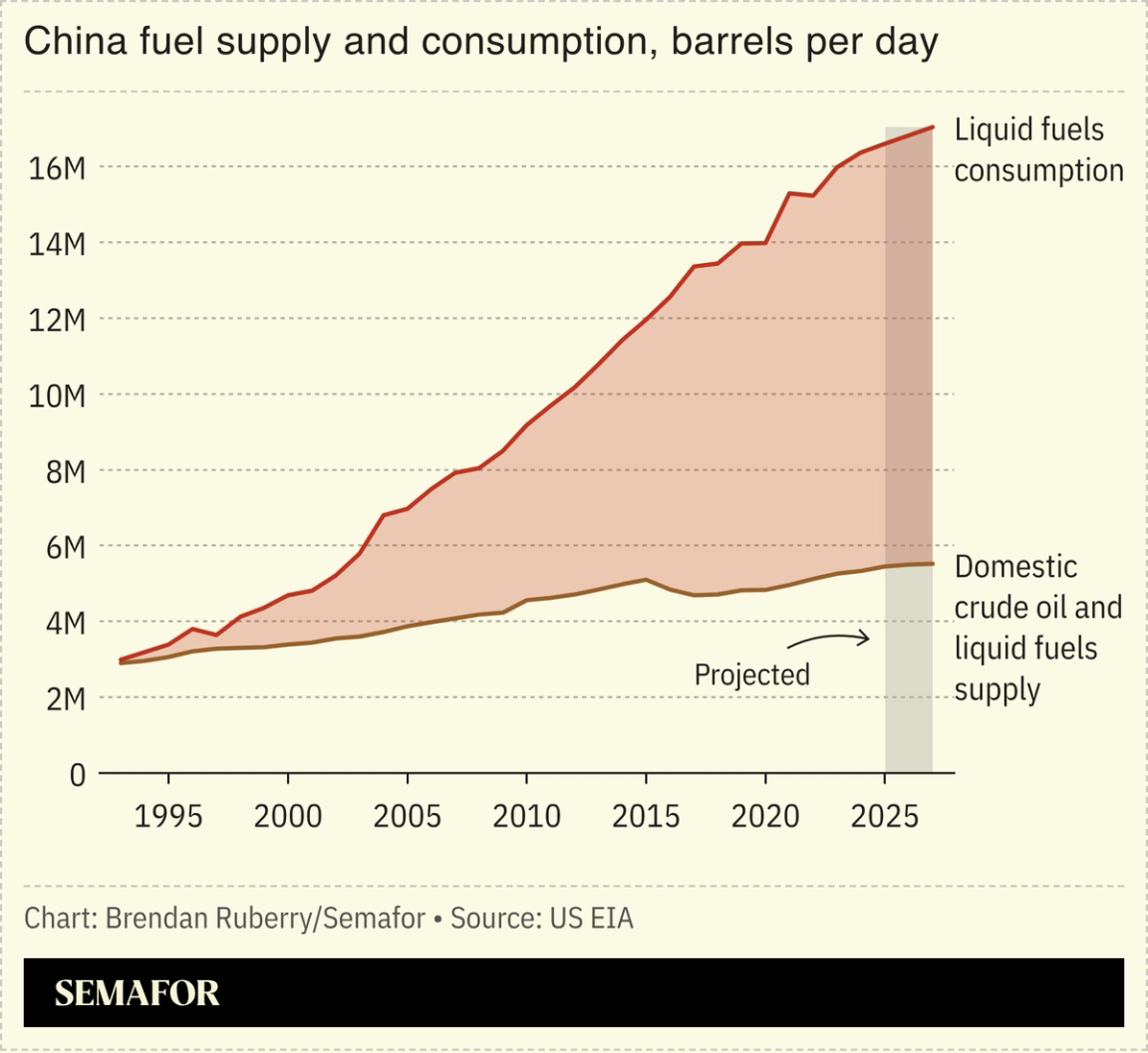 The first Chinese-owned cargo vessel successfully passed through the Strait of Hormuz since Iran began letting a select number of ships navigate the waterway, Caixin reported. In the last three weeks, Tehran has let some non-Western ships pass through a “safe” corridor in the strait that bypasses traditional shipping lanes, and has reportedly charged fees of up to $2 million. Other so-called “zombie” ships are getting through the strait by posing as tankers that were actually sent to scrapyards years ago. Iran’s foreign minister on Tuesday said Hormuz was closed to all vessels “owned or associated” with the US and Israel, but suggested Tehran was allowing other ships to safely transit. |
|
Wall St. sees opportunity in rubble |
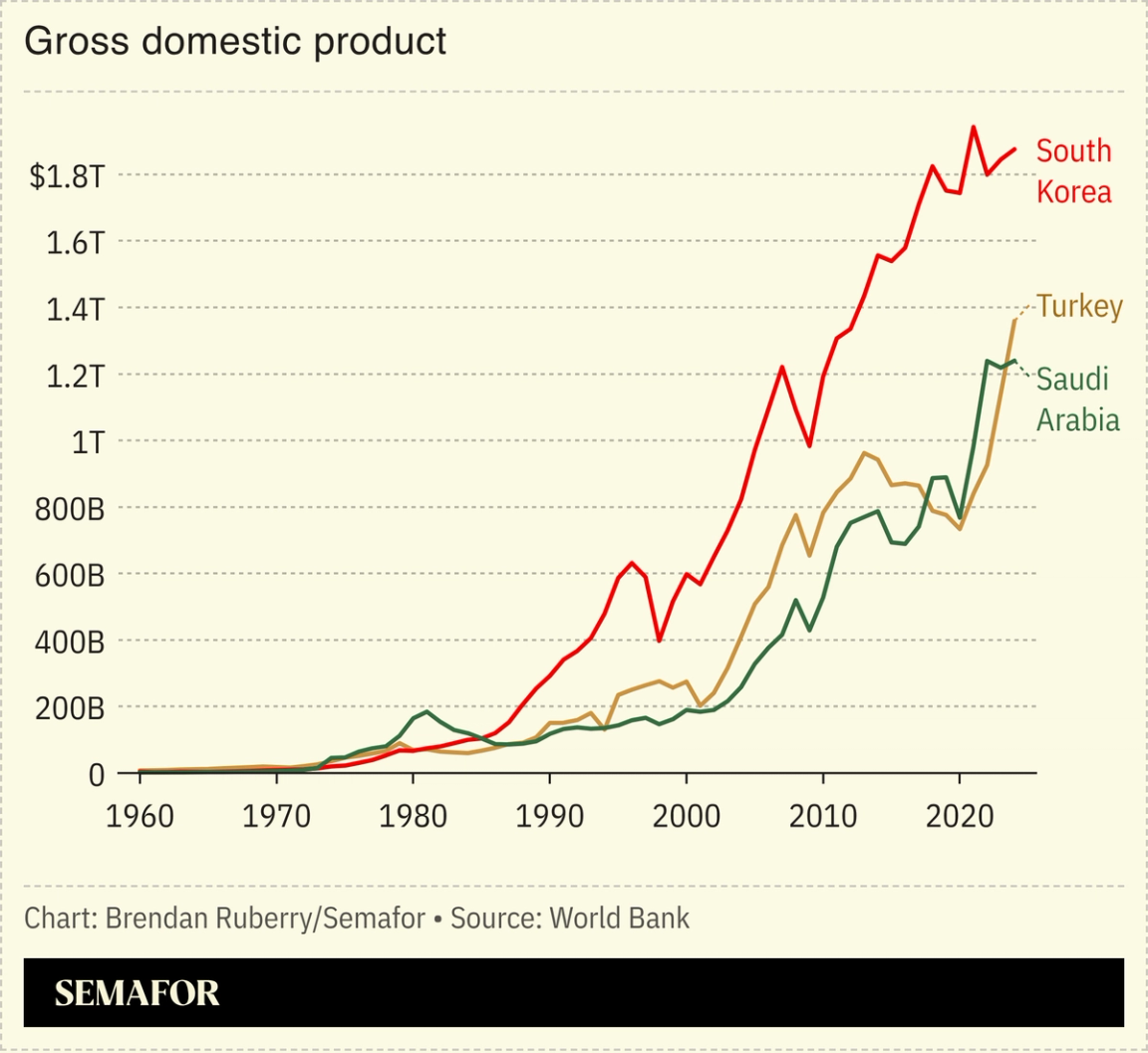 Wall Street is already thinking about the investment opportunities that could rise from the geopolitical rubble of the Middle East crisis. Iran could be the next big global investment opportunity if and when the war ends, said Adm. James Stavridis, the former NATO commander who is now a Carlyle executive. He told Semafor that the outlook for geopolitical hotspots like Iran, Ukraine, and Cuba could be similar to South Korea’s post-war reconstruction. “The problem is that countries increasingly want their capital to stay put,” Semafor’s business editor wrote. BlackRock’s Larry Fink echoed that idea in his annual shareholder letter this week, saying nations can “do more to help channel capital into their own growth.” |
|
Jet fuel price spike means higher airfares |
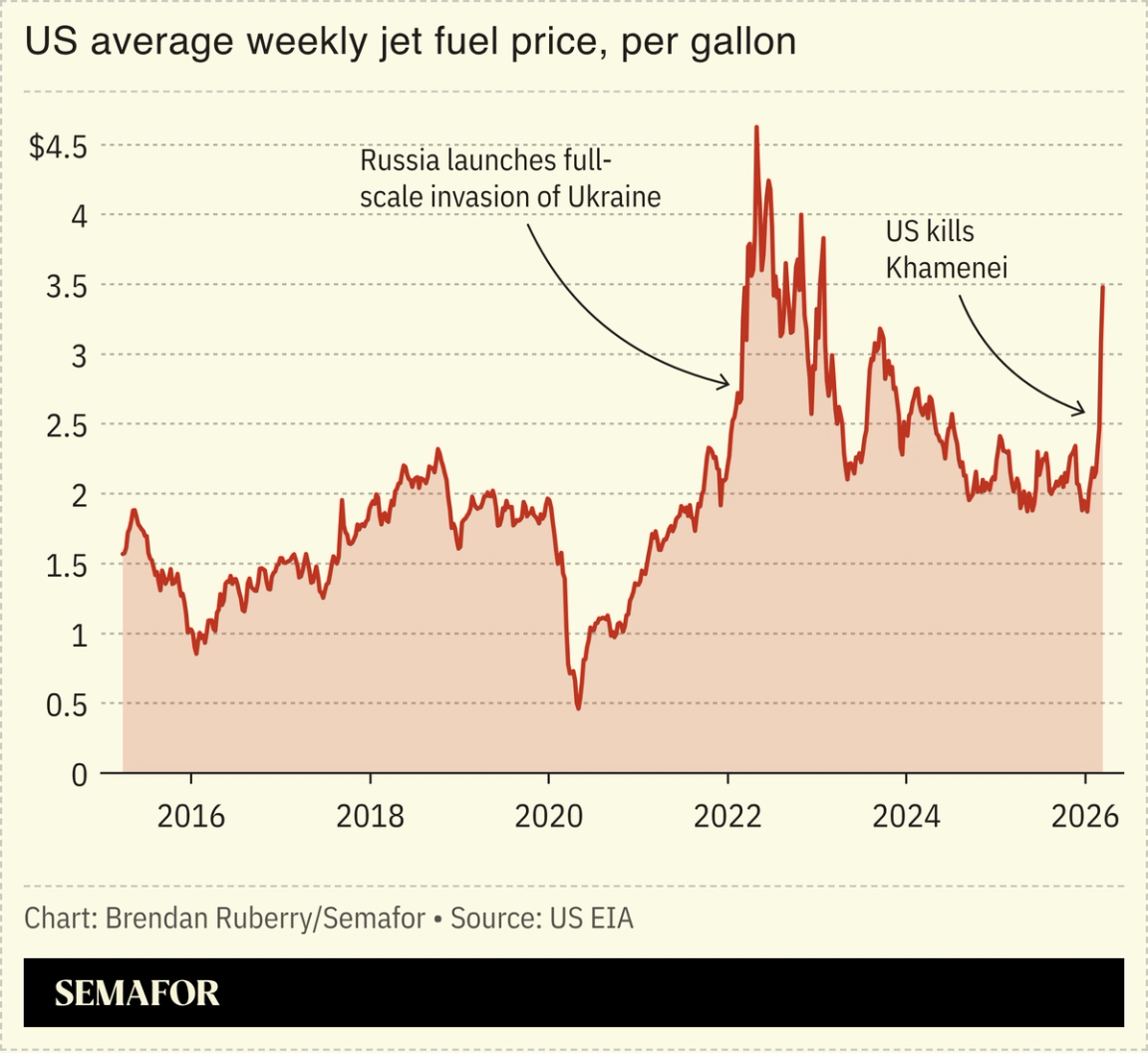 A spike in jet fuel prices stemming from the Iran war is passing through to consumers, resulting in more expensive airfares for summer travel, analysts said. The CEO of United Airlines, the world’s largest by capacity, warned Tuesday that ticket prices may increase by 20%. Global airlines are making contingency plans to contend with potential fuel shortages, including limiting flights. Fares for late spring travel are already up 10 to 15% compared to a year ago, one industry analyst told CNBC. An element of panic-buying among flyers may also be at play. “We’re taking the temperature check, and it’s not looking good,” she said. “The temperature is rising.” |
|
US aviation is ‘near collapse’ |
 Shannon Stapleton/Reuters Shannon Stapleton/ReutersA deadly collision between a plane and a fire truck at New York’s LaGuardia airport has highlighted the strain on US air traffic control. Federal investigators suggested Tuesday that overlapping failures stemming from staffing and technology issues led to the crash: “Many, many things went wrong.” The Federal Aviation Administration is chronically understaffed and the two on duty during the accident were doing the jobs of four. Despite efforts to boost recruitment, numbers have declined for years; many quit last fall when a government shutdown left them unpaid. Political dysfunction has left overworked controllers using outdated equipment. Once a modern marvel, the American commercial aviation system “seems near collapse,” The Atlantic wrote. |
|
Volkswagen pivots to defense |
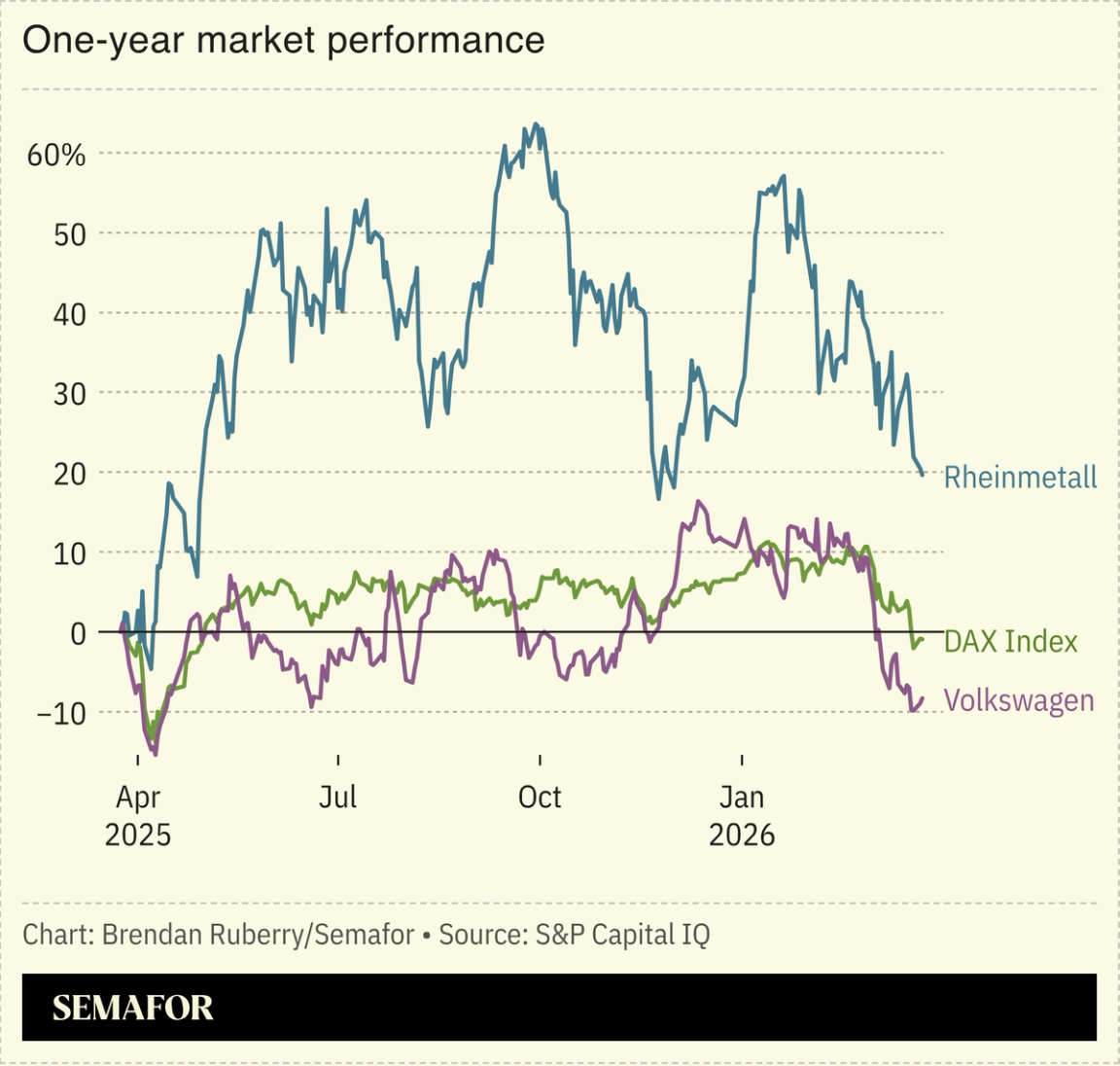 Volkswagen is pivoting from cars to military tech at one of its factories, a reflection of the challenges facing Germany’s auto sector. The company plans to use an embattled German car plant to manufacture components for Israel’s Iron Dome missile defence system, the Financial Times reported. It’s the highest-profile example of the beleaguered German auto industry — plagued by falling profits and Chinese competition — seeking partnerships with the booming defense sector. The deal aims to save 2,300 jobs at the plant, which was under threat of closure. Germany sees an opportunity in its industrial know-how, as manufacturers across the country are “scrambling to reinvent themselves as military vendors,” The Wall Street Journal wrote in December. |
|
Next battlegrounds of US-China tech race |
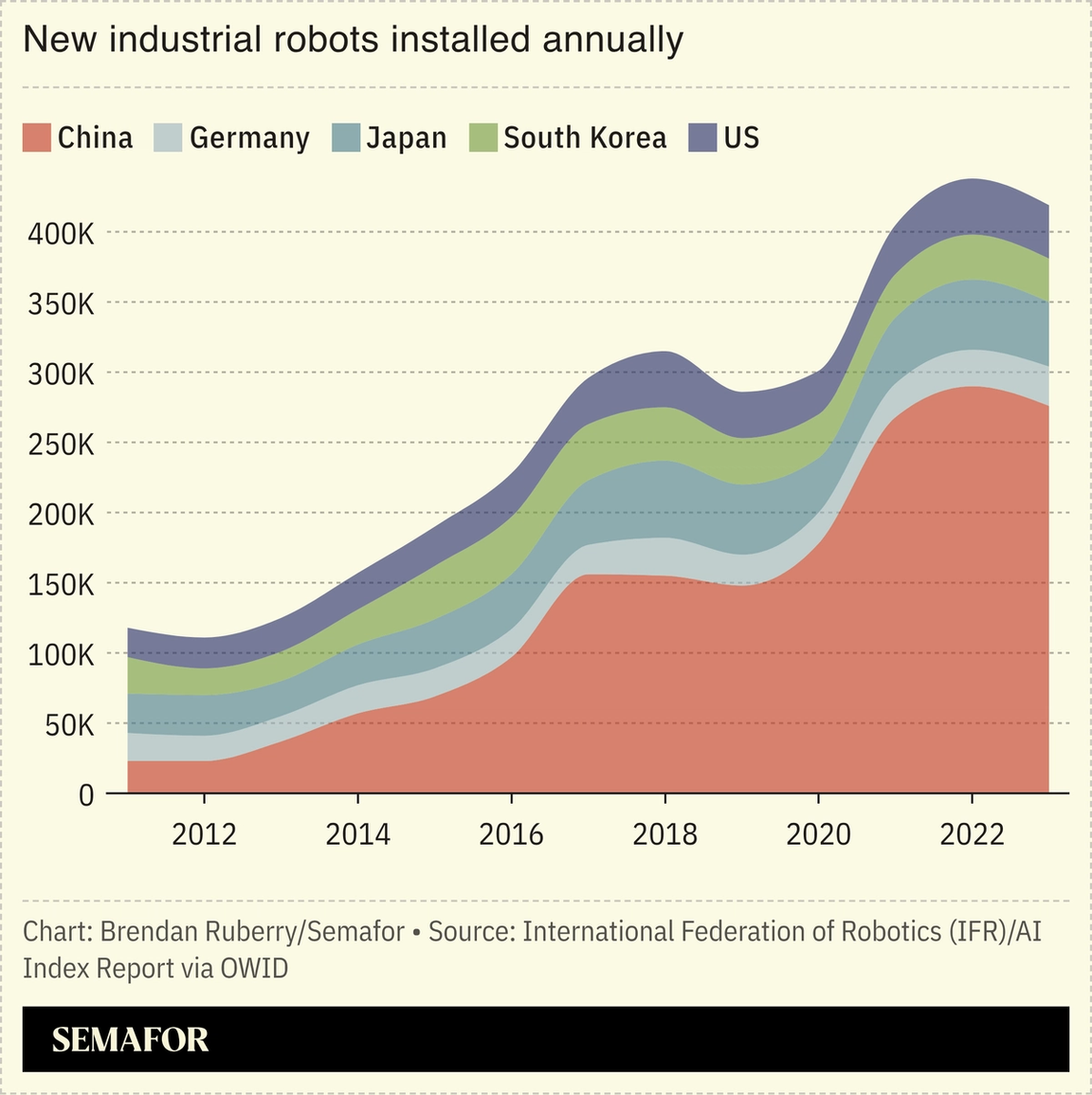 American tech executives in frontier fields are raising alarm bells about future competition from China. US robot-makers are lobbying the White House to draft a national robotics strategy — some are pressing for tariffs or a ban on Chinese imports. But executives told Semafor they don’t expect any major policy pushes until after President Donald Trump’s now-delayed trip to China. Beijing’s lead in the quantum space race also poses an existential threat to the US, the head of quantum computing firm IonQ told Semafor. While both are nascent industries that the West is paying more attention to, the executives emphasized urgency in countering China’s advances before it’s too late: It’s a “matter of survivability,” IonQ’s CEO said. |
|
NASA aims to build lunar base |
 NASA rendering NASA renderingNASA is abandoning efforts to build a space station orbiting the Moon, and will instead put $20 billion toward a lunar base, officials announced Tuesday. The ambitious plan calls for dozens of launches in the next decade, with crews eventually exploring the lunar south pole. “The goal is not flags and footprints but to stay on the Moon,” the US space agency chief said. The move comes as a new space race unfolds: China aims to send crews to the Moon by 2030. “It’s likely that the next voice transmission from the Moon will be in Mandarin,” a space policy expert said, comparing the dynamic to The Tortoise and the Hare. “NASA has the capabilities, but China has the persistence.” |
|
 Private equity and private credit was long a perk for the rich and well-connected. But now Wall Street’s investment giants are pitching their products to everyday Americans, who have piled in — and are now piling out in a panic. Is this democratizing finance or a recipe for disaster? On this week’s episode of Compound Interest, presented by Amazon Business, Liz and Rohan dive into that and more with Alisa Wood, the KKR executive leading the firm’s retail charge.
|
|
Meta ramps up AI adoption push |
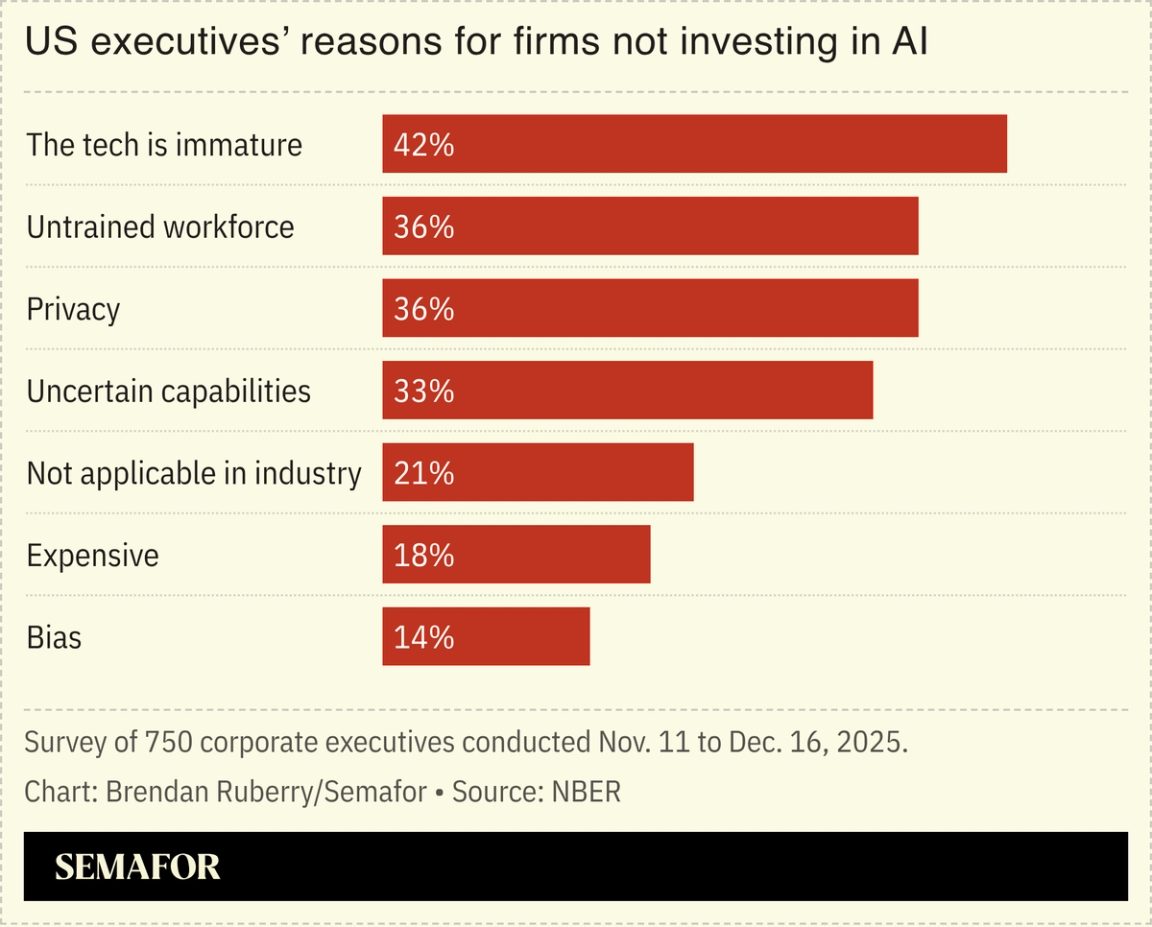 Meta appointed its chief technology officer to oversee efforts to drive AI adoption across its workforce, The Wall Street Journal reported, as the company looks to remove organizational layers and speed up work. CEO Mark Zuckerberg is also building a personalized AI agent to help him do his job. Use of AI tools is widespread in Meta, partly because it is a factor in employees’ performance reviews; Zuckerberg eventually wants all employees to have an AI sidekick. As panic over AI seeps into the global workforce, many US corporate executives don’t expect broad AI-driven job losses this year, a new survey found. Still, “politicians should act now rather than waiting until there’s a problem,” a pollster said on the Odd Lots podcast. |
|
|


