Thanks for reading The Briefing, our nightly column where we break down the day’s news. If you like what you see, I encourage you to subscribe to our reporting here.
Greetings!
Walt Disney Co. must be so glad it committed to investing $1 billion in OpenAI and becoming a customer of the ChatGPT creator. The theme park and entertainment firm agreed to both steps as part of a deal struck last December in which it licensed its characters for use on OpenAI’s Sora video-generation tool. On Tuesday, OpenAI decided to shut down Sora. In response, Disney abandoned the entire deal, including the investment.
Disney made a dignified public statement, saying it appreciated “what we learned” from the relationship. What Disney learned is likely pretty much what PayPal learned when OpenAI retreated from its Instant Checkout shopping service, which PayPal was helping with. The lesson (or learning, as the techies like to say): OpenAI can turn on a dime and abandon previously announced ventures, even when it has struck deals with other companies to help with said ventures. And even when those other companies have agreed to become OpenAI customers!
You can’t blame OpenAI too much, as it is dealing with a fast-evolving market, although if it does this kind of thing too often, it might find it harder to entice other businesses into partnerships. OpenAI is rethinking its various ventures as it tries to focus its business more sharply. Also on Tuesday, OpenAI confirmed the Instant Checkout retreat, three weeks after we scooped that news. OpenAI tucked that admission into a bigger announcement about how it is helping people buy more stuff online—the second time since November it has announced something similar.
It’s surely not a coincidence that OpenAI’s announcement came a few hours before Meta Platforms unveiled a bunch of shopping-related tools, including a “new AI experience” that gives people a lot more information about products before they buy them. (For more on that, see below.)
Meta also said it would introduce the ability to buy items directly from ads in the Facebook app, working with PayPal and Stripe and soon with Shopify and Adyen. To be sure, Meta has tried and failed before to introduce shopping directly in its apps, and there’s no reason why this effort will be any more successful.
The dueling announcements from Meta and OpenAI are a reminder that the two are headed toward an intense rivalry for retailers’ ad dollars. Right now, Meta, together with Google, is the big dog of the digital ad world, and retailers are major clients. Given ChatGPT’s 920 million weekly active users, however, it’s likely to become a big draw for retailers looking to reach shoppers. We look forward to that drama!
Meta Embraces Creators, Again
Meta’s relationship with creators has not exactly been a smooth one. Cash bonuses for short-form videos have come and gone as the business has waxed and waned. Now that AI is raising the possibility that shopping within apps could become a thing again, Meta sees a role for creators in commerce.
Creators were a core piece of a slew of new commerce and ad tools Meta unveiled on Tuesday evening. Notably, Meta is launching its own program to give creators on its social media apps a cut of the sales they drive from product links they share with their followers. That program requires Meta to come to an arrangement with retailers like Amazon, under which the commerce giant would pay a fee for every transaction that results from someone clicking on a link in a Meta app.
Meta would share part of that fee with the creators who promote the product links to their followers. Meta said Tuesday it’s testing its program with marketplaces including Amazon, eBay and Temu in the U.S.
Driving shoppers to established retail sites is arguably a better business for Meta than trying to host shopping itself. Many marketers are devoting an increasing share of their advertising budgets to paying creators to promote their products. The business of arranging these kinds of links to shopping sites has historically been dominated by creator marketing companies like SoftBank-backed LTK, which claims it’s responsible for over $5 billion in annual sales, and newer startup ShopMy, valued at $1.5 billion late last year, not the social media companies themselves.
But there’s no guarantee Meta creators will use the company’s tools. They’ve given a cool reception to other creator shopping features it has tested recently, like a “Shop the Look” feature that added AI-generated product recommendations to their posts.
Meta’s army of creators will be critical to fending off commerce and ads threats from OpenAI and others. But to use them to its advantage, Meta will need to make sure to keep the creative class happy.—Ann Gehan
In Other News
• The federal judge presiding over Anthropic’s lawsuit against the Department of Defense called the Pentagon’s actions against Anthropic “troubling” in a hearing on Tuesday, adding that they “look like an attempt to cripple Anthropic.” The comments from Judge Rita Lin of the Northern District of California bode well for Anthropic, which is seeking a preliminary injunction to halt the Pentagon’s designation of the company as a supply chain risk.
• Meta and OpenAI said Tuesday they will purchase an AI server chip produced by Arm, which previously has only helped other companies design such chips.
• Meta has tapped Chief Technology Officer Andrew Bosworth to oversee its transition into an AI-first organization, according to a report by The Wall Street Journal.
• Shares of multiple business software providers, including Salesforce, Atlassian and HubSpot, all saw significant declines after The Information reported that Amazon Web Services is developing AI that automates sales, business development and other internal functions.
Today on The Information’s TITV
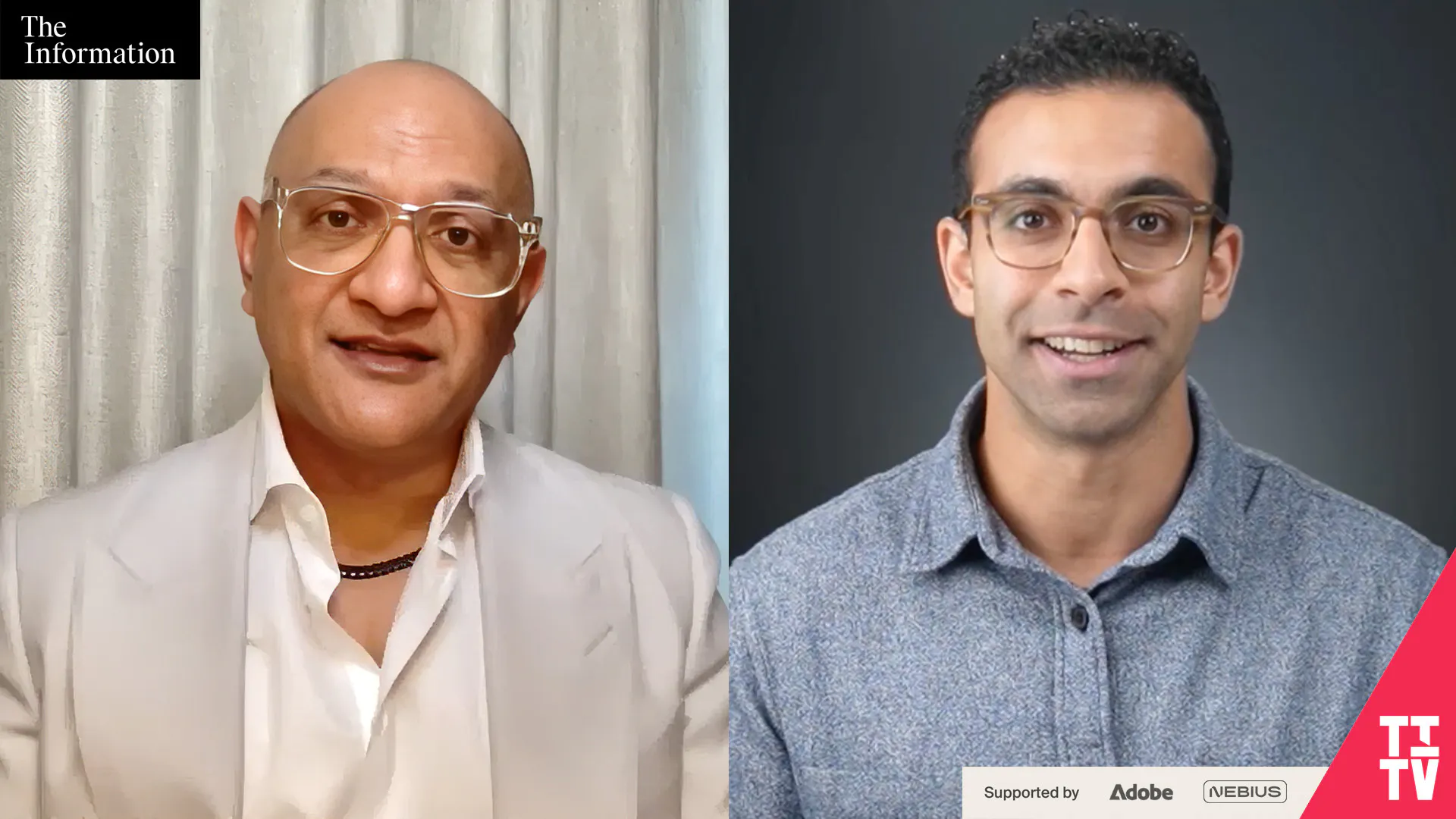
Check out today’s episode of TITV in which we speak with Cisco President Jeetu Patel about the cybersecurity considerations for AI agents.
Recommended Newsletter
Start your day with Applied AI, the newsletter from The Information that uncovers how leading businesses are leveraging AI to automate tasks across the board. Subscribe now for free to get it delivered straight to your inbox twice a week.
Join The Information's live Q&A on Talent Tracker: Venture Capital’s Rising Leaders on March 26th! Our expert team, including Laura Mandaro and Julia Hornstein, will provide a behind-the-scenes look at the next generation of top GPs and operators.
Join The Information at the New York Stock Exchange on Monday, April 27, to hear from top executives and investors on how the rapid buildout of AI is reshaping tech, finance, and capital markets
Save the date for The Information’s annual AI Agenda Live in San Francisco, where top AI researchers, founders, investors and executives come together for a day of conversations about the breakthroughs and applications shaping the future of AI.