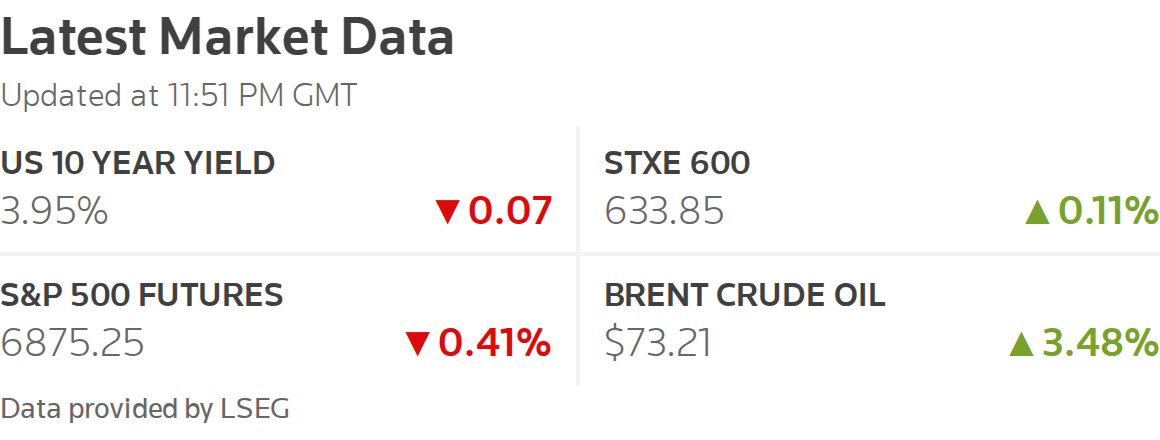
In Europe, focus will be on flash euro zone inflation data due later in the day, which could give an early indication of the impact the conflict has had on consumer prices in the bloc.
The region's heavy reliance on energy imports has left it exposed to spiralling prices, with gas prices jumping more than 70% over the past few weeks.
European Union energy ministers will also hold talks on Tuesday to coordinate their response to the disruption to oil and gas markets triggered by the war, an internal EU briefing document showed.
Elsewhere in markets, the dollar was headed for its sharpest monthly gain since July, having emerged as one of the few safe havens as the war rages on.
That has in turn kept the yen struggling around the 160 per dollar level, with Japanese officials stepping up their jawboning to defend the currency.
Data on Tuesday showed annual core inflation in Tokyo slowed to a nearly two-year low in March and stayed below the central bank's target for a second straight month, as the effect of fuel subsidies offset rising raw material costs from a weak yen.