|
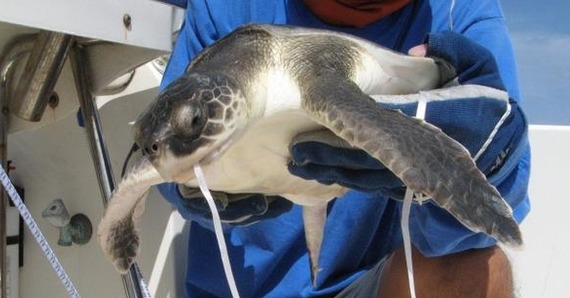
A juvenile Kemp's ridley sea turtle ingested a balloon (Credit: Blair Witherington).
English
Protected marine species are vital components of the ecosystem, and their conservation is critical to preserving the health of valuable NOAA trust resources. This webinar, Mitigating Marine Debris Threats To Protected Species and Habitat, explores the critical intersection of protected species conservation and marine debris mitigation across tropical islands. Experts will discuss the distinct threats of marine debris posed to these Endangered Species Act-listed species: Hawaiian monk seal, sea turtles, and smalltooth sawfish. During this session, experts will share actionable strategies proven to effectively prevent and reduce debris impacts to safeguard these iconic marine species.
Español
Las especies marinas protegidas son componentes vitales del ecosistema, y su conservación es fundamental para preservar la salud de los recursos bajo responsabilidad de la NOAA. Este webinar, Mitigando las amenazas que los desechos marinos presentan para las especies y los hábitats protegidos, explora la intersección crítica entre la conservación de las especies protegidas y la mitigación de los desechos marinos en las islas tropicales. Los expertos discutirán las distintas amenazas que los desechos marinos suponen para aquellas especies incluidas en la Ley de Especies en Peligro de Extinción: la foca monje de Hawái, las tortugas marinas y el pez sierra de dientes pequeños. Durante esta sesión, los expertos compartirán estrategias viables que han demostrado su eficacia para prevenir y reducir el impacto de los desechos con el fin de proteger estas especies marinas emblemáticas.
Our Speakers
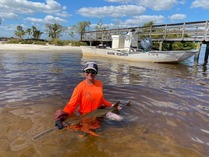
Dylan Yakich | Fish Biologist Florida Fish and Wildlife Conservation Commission
Although recent conservation efforts have reduced some threats, the endangered smalltooth sawfish, Pristis pectinata, is still at risk from human activities along the Florida coast. While entanglements in recreational and commercial fishing gear (e.g., fishing tackle and shrimp trawls) remain major threats, interactions with marine debris items have increased. This talk will summarize the broad range of marine debris that negatively affects this species.
|

Carlos E. Diez | Sea Turtle Conservation Program State Coordinator Bureau of Research, and Conservation of Habitats and Biodiversity, Puerto Rico Department of Natural & Environmental Resources
Sea turtles, like many other living organisms, are being impacted by waste and garbage. In their case, most of this waste is ghost fishing gear, pollutants, and grounded boats. In Puerto Rico, much of the marine debris associated with sea turtles is found either on beaches and/or in their feeding areas. During this presentation, we will discuss some of the most common threats faced by sea turtles, particularly those related to marine debris.
|

Francesca “Frankie” Koethe | Hawaiian Monk Seal Recovery Coordinator
NOAA Fisheries, Pacific Islands Regional Office, Protected Resources Division
This presentation examines four decades of Hawaiian monk seal entanglement data within the Papahānaumokuākea Marine National Monument from 1974 to 2022. By far the most common items that entangle pinnipeds consist of abandoned, lost, or otherwise discarded fishing gear and plastic packing straps/bands believed to be associated with commercial fishing operations. This collaborative study between NOAA Fisheries, Hawaiʻi Sea Grant, and the Papahānaumokuākea Marine Debris Project shows that while entanglement is a severe threat—particularly for pups and adult females—it remains a mitigatable issue. Addressing this threat is critical for Hawaiian monk seal recovery and likely offers far-reaching benefits for the broader marine ecosystem.
|
|